Blend In: How to Fit In Without Losing Yourself
When you blend in, you adjust your behavior to match the unwritten rules of a group or environment without changing who you are at your core. Also known as social adaptation, it’s not about pretending—it’s about reading the room and choosing when to speak up, when to listen, and when to let the rhythm of the space guide you. People who blend in don’t stand out because they’re trying to. They stand out later—because they were comfortable enough to be themselves all along.
This skill shows up everywhere: in a new office where everyone wears dark jeans and hoodies, in a London pub where small talk lasts exactly three minutes, or in a community garden where no one asks where you’re from but everyone knows your name by season three. It’s not about hiding. It’s about harmony. You don’t need to laugh at every joke or wear the same shoes. You just need to notice what’s normal here—and then decide if you want to match it, soften around it, or quietly ignore it. Cultural norms, the invisible rules that shape how people act in a specific place or group are the real map. In the UK, that might mean not talking loudly on the Tube, waiting in line without complaining, or saying "sorry" when you bump into someone who wasn’t even there. In a yoga class, it might mean bringing your own mat and not asking for the instructor’s opinion on your life. These aren’t laws. They’re signals. And learning to read them saves energy, reduces friction, and lets you focus on what matters.
What’s interesting is that the people who seem to blend in the easiest aren’t the loudest or the most polished. They’re the ones who observe first. They notice who brings tea on Tuesdays, who leaves early on Fridays, who never talks about their weekend. They mirror the tone, not the words. That’s the secret. You don’t need to become someone else. You just need to stop fighting the current. Group dynamics, how people naturally organize themselves in social settings, often without saying a word are always at play—even in quiet spaces. And once you start seeing them, you realize blending in isn’t about conformity. It’s about choice. You can stand out later. For now, you just need to be part of the flow.
Look at the posts below. You’ll find guides on minimalist fashion—how wearing black helps you disappear in a crowd without trying. You’ll see how to practice mindfulness so you’re not reacting to every social cue, but choosing your response. You’ll learn how to navigate safety in UK cities without looking like a tourist. You’ll even find advice on eating cheaply, because when you’re blending in, you don’t need to prove you can afford the fancy stuff. These aren’t random tips. They’re tools for moving through the world with quiet confidence. No masks. No performance. Just presence.
Blend In: Tips for Americans Traveling Europe
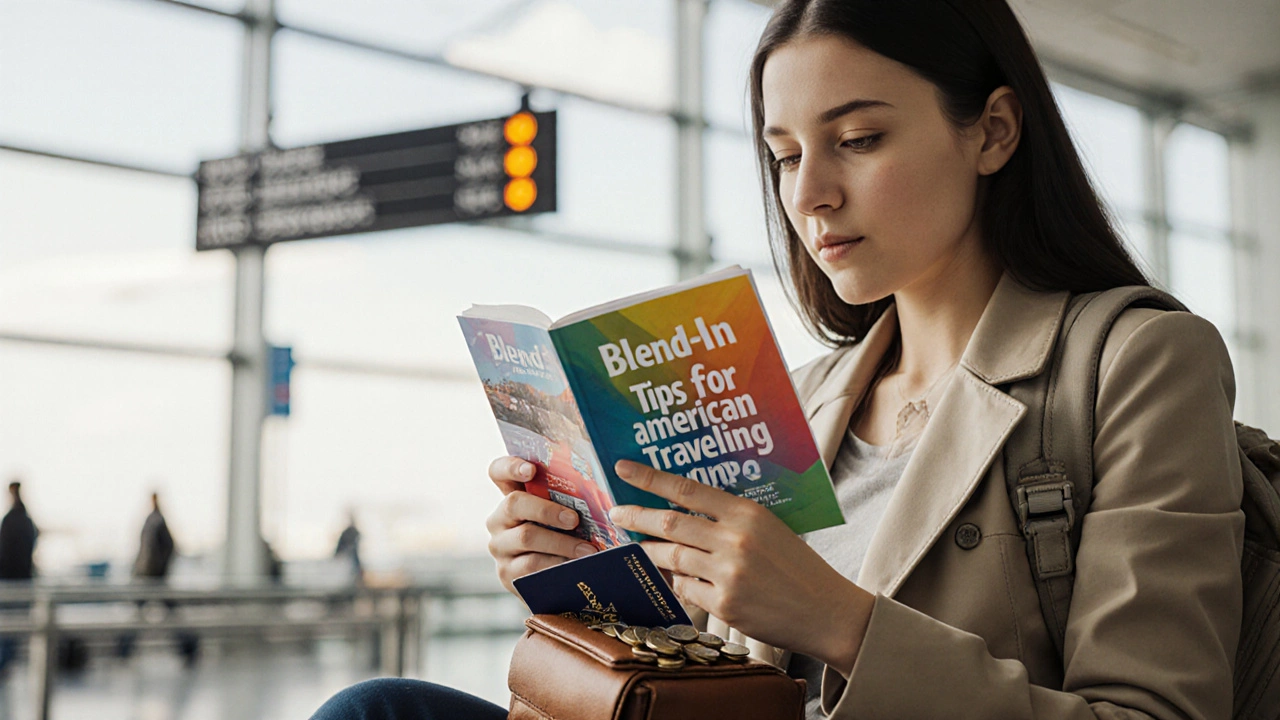
Learn practical, low‑effort habits for Americans to blend in while traveling Europe, from language tips to fashion, money, and etiquette.
Categories
RECENT POSTS
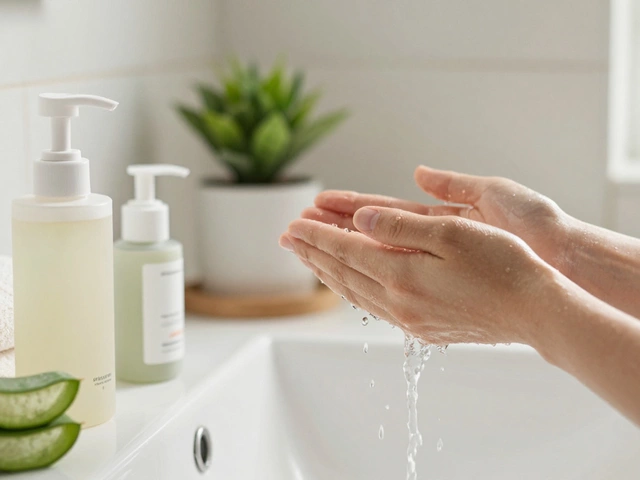
How to Get a Flawless Face: Simple Daily Routine for Clear, Glow-Like Skin
Get a flawless face with a simple, science-backed skincare routine that focuses on consistency, not expensive products. Learn the essential steps for clear, glowing skin that works in any climate.

Healthy Life Balance Explained: Simple Steps to Wellness
Discover what a healthy life balance really means, its core pillars, practical steps, common pitfalls, and quick self‑assessment tools to achieve lasting wellness.

What Is One Book Everyone Should Read? The Book That Changes How You Think
Atomic Habits by James Clear is the one book everyone should read because it turns small daily actions into lasting change through science-backed systems, not motivation. It’s practical, simple, and works for anyone.

How Many Minutes a Day Should You Practice Mindfulness?
You don't need hours to practice mindfulness. Just five minutes a day can reduce stress, improve focus, and help you respond instead of react. Science backs this simple habit.

Best Cosmetic Brands for Face: A Guide to Top Picks
Discover the best cosmetic brands for your face based on skin type and budget. We compare luxury giants like Estée Lauder with drugstore winners like Maybelline.