Fashion: Discover Real Style, Sustainable Choices, and Personal Expression
When you think about fashion, the way people choose, wear, and value clothing as part of daily life. Also known as style, it's not just about trends—it's about identity, ethics, and practicality. Most people buy clothes without asking where they came from, who made them, or what happens after they’re thrown away. But real fashion today means asking those questions—and finding answers that match your values.
sustainable fashion, clothing made with care for people and the planet, from materials to end-of-life isn’t a buzzword. It’s about organic cotton that doesn’t poison soil, factories that pay fair wages, and designs built to last years, not seasons. Brands like Target might look affordable, but digging into their supply chains shows how some cheap tees cost more than they seem. And when you shop at Goodwill, a major player in secondhand clothing that keeps millions of garments out of landfills, you’re not just saving money—you’re helping close the loop in the circular economy, a system where clothes are reused, repaired, or recycled instead of discarded. This isn’t theory. It’s data-backed action.
But fashion also lives on your body. personal style, the unique way you combine clothing to express who you are isn’t something you buy—it’s something you build. It starts with knowing your body shape, your favorite colors, and the few core pieces that work every day. You don’t need a closet full of clothes. You need a few that fit well, feel right, and make you confident. And now, outfit suggestion apps, AI tools that scan your wardrobe and recommend combinations based on weather, occasion, and your past choices are helping people cut through the noise. These aren’t magic wands—they’re smart helpers that stop you from buying what doesn’t suit you.
So whether you’re trying to spot greenwashing, build a capsule wardrobe that actually works, or just figure out why you keep wearing the same three shirts, you’re not alone. The posts below give you real tools, clear checks, and honest breakdowns—not fluff, not ads, not trends that fade in six months. You’ll learn how to tell if a brand is truly ethical, how to use AI without losing your own voice, and how to make every purchase count. This isn’t about looking like someone else. It’s about dressing like yourself—wisely, intentionally, and for the long haul.
What Not to Wear If You Have a Big Tummy: Style Mistakes to Avoid

Struggling with what to wear when you have a big tummy? Discover the style mistakes to avoid, from tight fits to wrong fabrics. Learn how necklines, layers, and strategic patterns can flatter your silhouette effortlessly.
What is the 50/50 Rule in Fashion? A Practical Guide to Balanced Style

Discover the 50/50 rule in fashion, a simple styling trick to balance casual and formal elements for effortless, harmonious outfits.
What Makes a Woman Look Older Than Her Age? Style & Grooming Fixes

Discover why fit, hair color, and posture matter more than wrinkles. Learn simple style swaps to look vibrant and younger.
How to Find Your Perfect Signature Style: A Practical Guide

Struggling to define your look? Discover how to find your perfect signature style by auditing your wardrobe, decoding your visual DNA, and building a cohesive capsule collection.
Do People Really Care About Sustainable Fashion? The Honest Truth
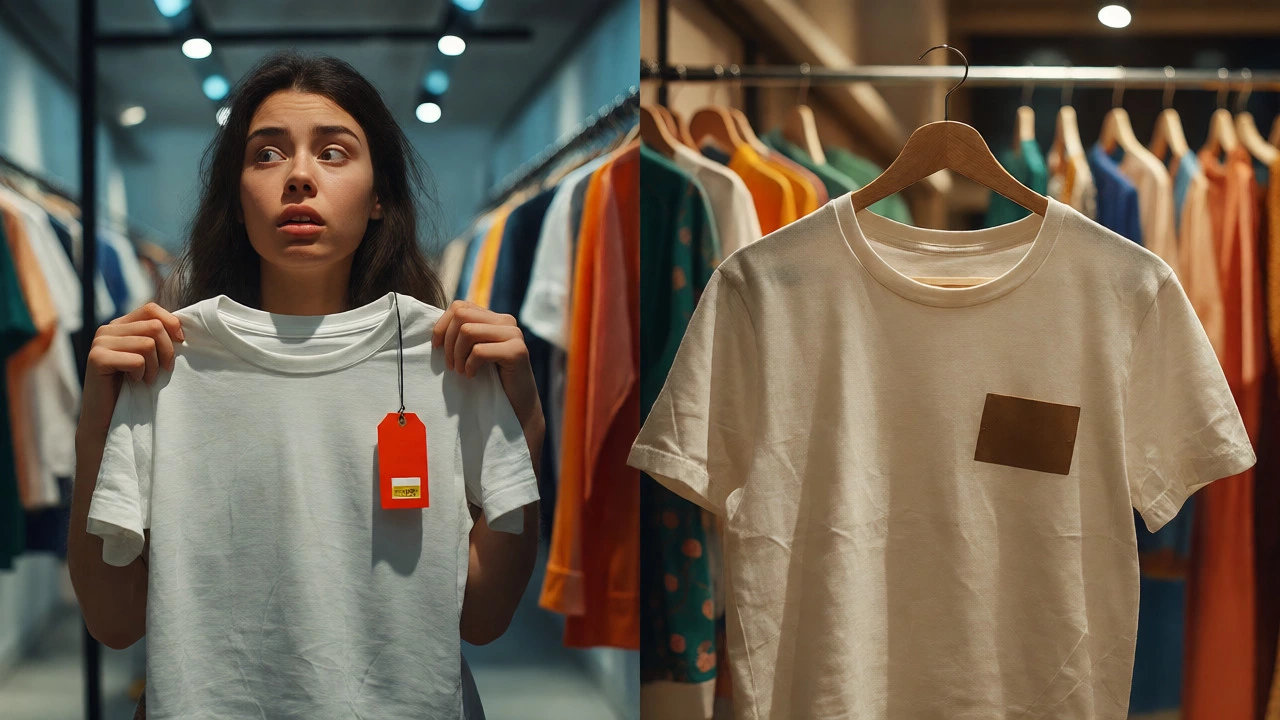
Do consumers truly prioritize eco-friendly clothing? Explore the gap between stated values and actual spending, the rise of secondhand markets, and how regulation is forcing brands to be honest.
How to Dress to Hide Belly Fat: A Complete Style Guide
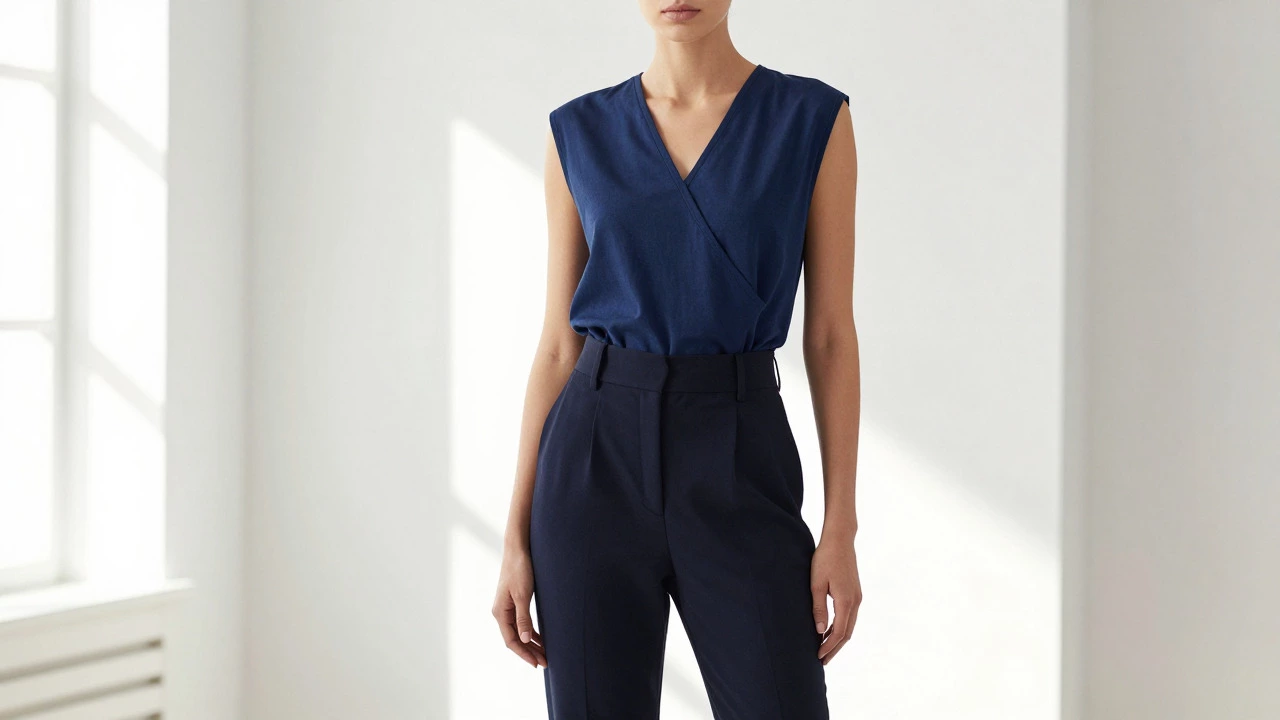
Discover practical style tips to hide belly fat and boost confidence. Learn about flattering fabrics, fits, and colors that create a balanced silhouette.
Is Sustainable Fashion Just a Trend? The Reality Behind the Greenwashing
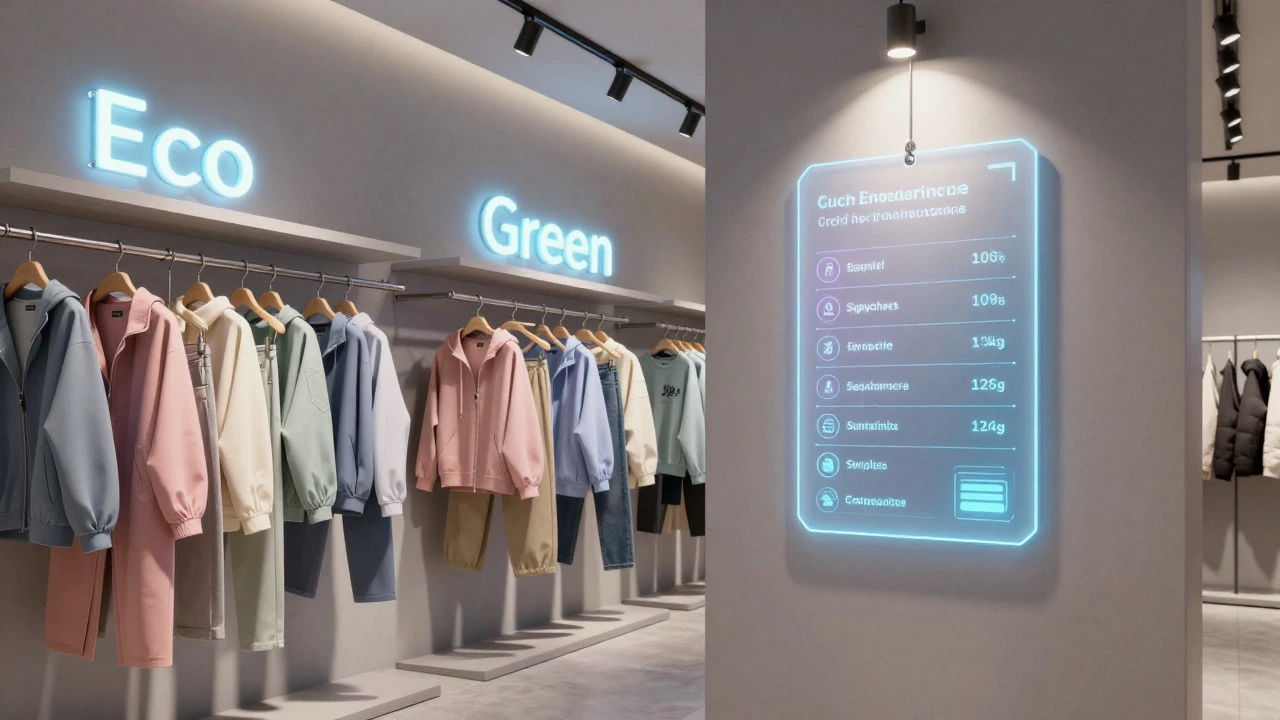
Is sustainable fashion a trend or a permanent shift? We explore greenwashing, circular economy, and real changes in the industry beyond marketing hype.
What Does Sustainable Mean in Fashion? A Real Guide to Eco-Friendly Clothing
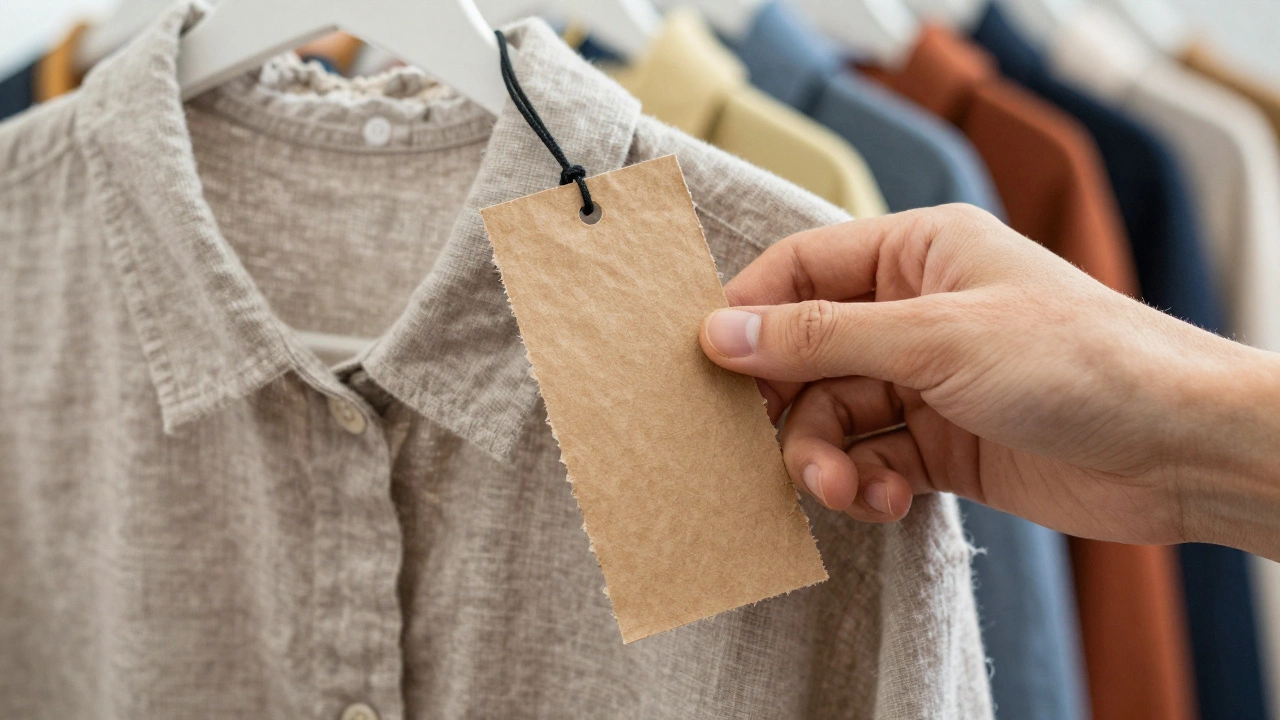
Discover what sustainable fashion really means beyond marketing hype. Learn about ethical labor, eco-friendly materials, and how to spot greenwashing in 2026.
How to Find Your Body Shape and Style: A Practical Guide

Discover how to identify your body shape and build a personal style that fits. Learn practical tips for choosing clothes that enhance your silhouette and boost confidence.
The 7 Rs of Sustainable Fashion: A Practical Guide to Ethical Style
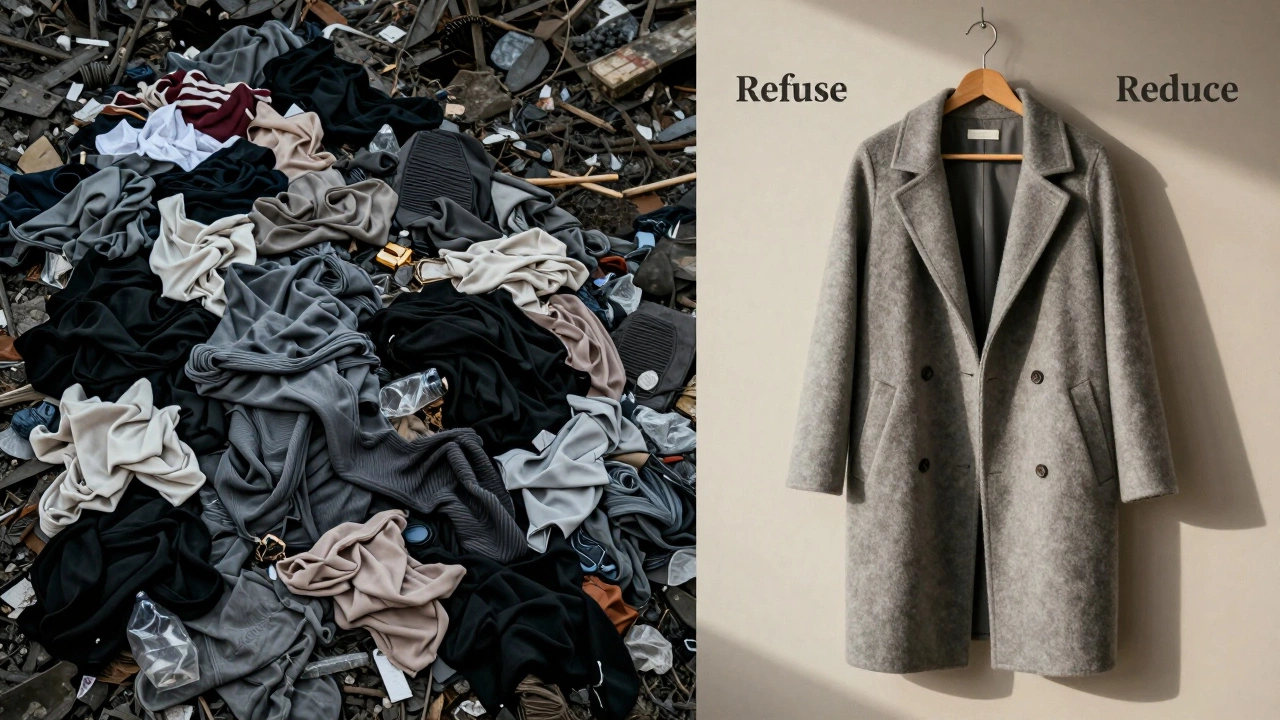
Discover the 7 Rs of sustainable fashion: Refuse, Reduce, Rethink, Repair, Reuse, Rent, and Recycle. A practical guide to building an ethical wardrobe.
10 Steps to Finding Your Personal Style: A Practical Guide
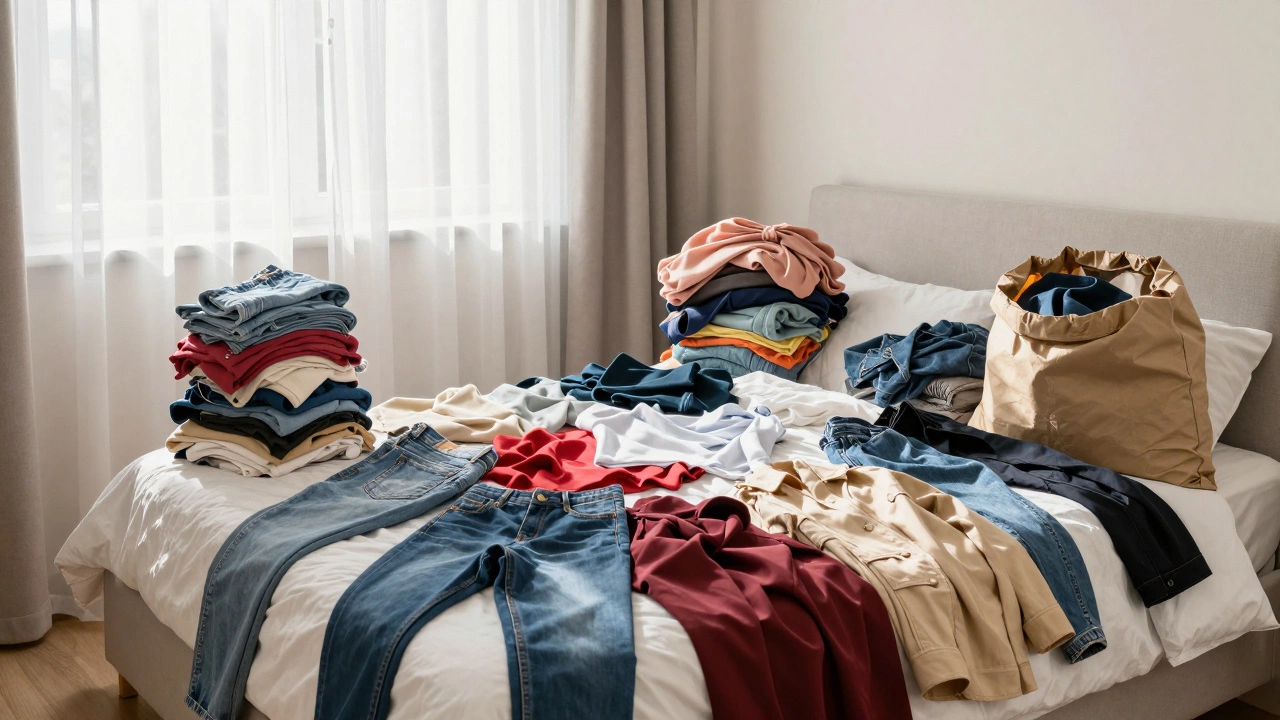
Discover 10 practical steps to define your personal style. From wardrobe audits to color analysis, learn how to build a cohesive closet that reflects your true self.
What Does Sustainable Fashion Look Like in 2026? A Real-World Guide
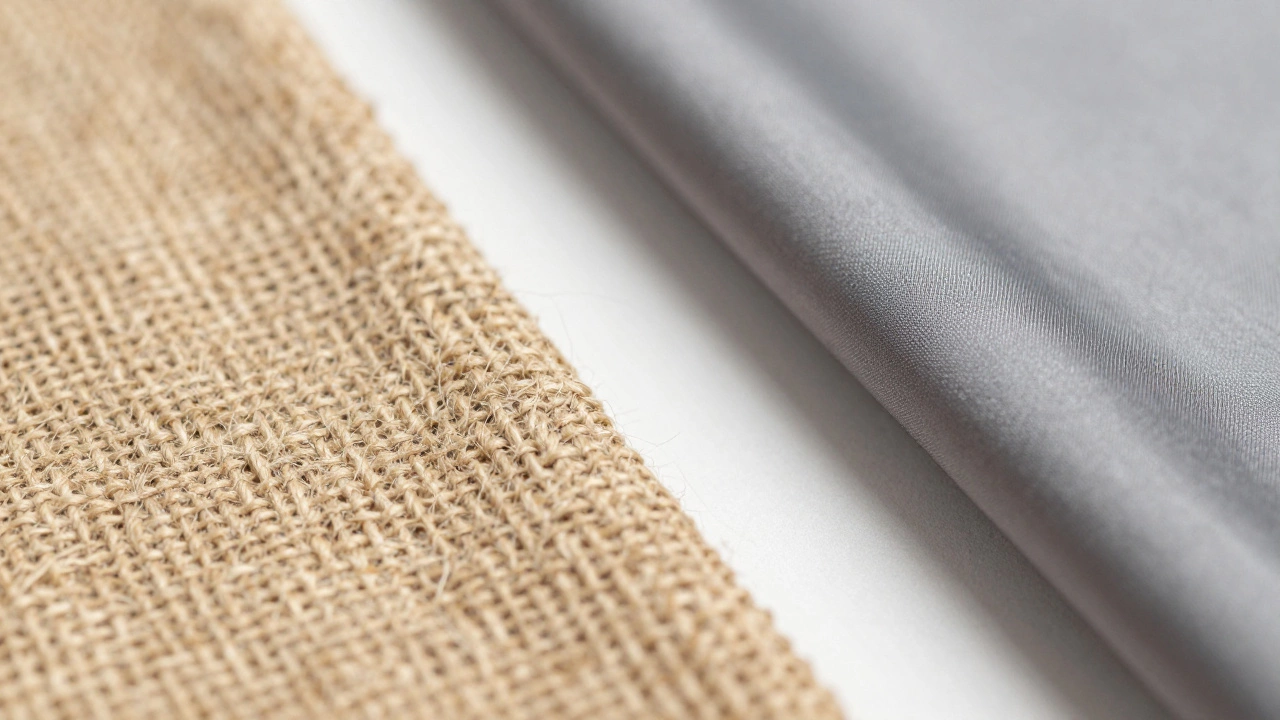
Discover what sustainable fashion really looks like in 2026. From eco-friendly materials to circular economy practices, learn how to build an ethical wardrobe without breaking the bank.
Categories
RECENT POSTS
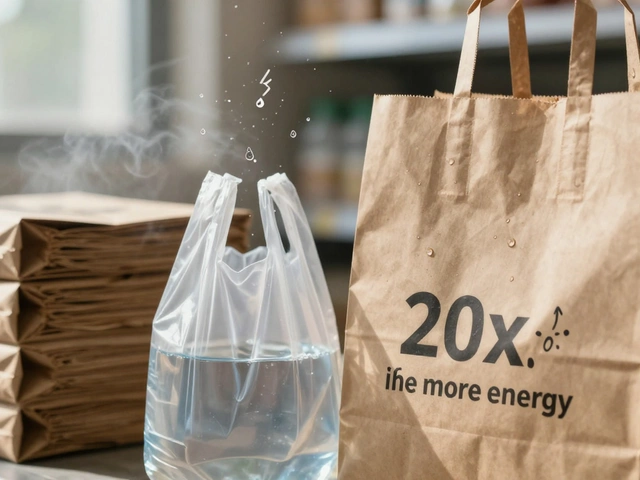
Is a paper bag really eco-friendly? The truth behind the buzz
Paper bags aren't automatically eco-friendly. They use more water and energy than plastic, often end up in landfills, and need to be reused many times to be better. The real solution? Bring your own reusable bag - consistently.

What Is the Golden Rule in Everyday Life? A Minimalist Approach to Living Better
The golden rule in everyday life isn't just about treating others well-it's about treating yourself with honesty. Minimalism helps you cut through noise, keep only what truly matters, and live with more peace and clarity.

What is the 50/50 Rule in Fashion? A Practical Guide to Balanced Style
Discover the 50/50 rule in fashion, a simple styling trick to balance casual and formal elements for effortless, harmonious outfits.

What is the 1 most unhealthy food in the world? The real answer
Discover why processed meat is considered the most unhealthy food globally. Learn about nitrates, cancer risks, and simple swaps to protect your health.

What Is the 820 Rule? FDA 21 CFR 820, the 80/20 Pareto Principle, and the 8/20 Trading Signal
The '820 rule' isn’t one thing. It can mean FDA 21 CFR 820 (medical devices), the 80/20 Pareto principle, or the 8/20 moving average in trading. Here’s the difference and how to use each.