Eat Well on a Budget
When you eat well on a budget, you’re not just cutting costs—you’re making smarter choices about what fuels your body. Also known as affordable healthy eating, it’s about getting the most nutrition for every pound you spend, not buying the cheapest junk food you can find. This isn’t about skipping meals or living on pasta. It’s about knowing where your money goes in the grocery store and how to stretch it without sacrificing taste or health.
Many people think healthy food is expensive, but that’s mostly because they’re buying pre-packaged, branded, or out-of-season items. The truth? beans, a low-cost, high-protein staple and oats, a filling, fiber-rich grain cost pennies per serving. seasonal vegetables, like carrots, cabbage, and potatoes are cheaper and more flavorful when bought in their peak months. You don’t need organic kale to eat well—you need a plan. Planning meals around what’s on sale, cooking in batches, and using leftovers creatively cuts waste and saves money fast.
People who eat well on a budget don’t rely on fancy supplements or expensive superfoods. They use what’s available, what’s affordable, and what lasts. A tin of sardines gives you omega-3s for less than a coffee. Brown rice and lentils make a complete protein. Frozen vegetables are often more nutrient-dense than fresh ones that’ve sat on a truck for days. And if you’ve ever wondered why your grocery bill keeps climbing, it’s probably because you’re buying snacks, drinks, and pre-made meals instead of raw ingredients. The real cost isn’t the price tag—it’s the habit.
There’s no magic trick. It’s repetition, preparation, and knowing what actually matters. The posts below show you how real people do it: how to stretch a £10 grocery haul into five meals, how to use frozen veggies without losing flavor, how to make beans taste amazing without meat, and how to avoid falling for marketing traps that make you think you need expensive products to be healthy. You’ll find guides on meal prep that fit tight schedules, tips for shopping at discount stores, and even how to grow your own herbs on a windowsill. No fluff. No gimmicks. Just what works.
How to Eat Less Than $20 a Week on Healthy Meals
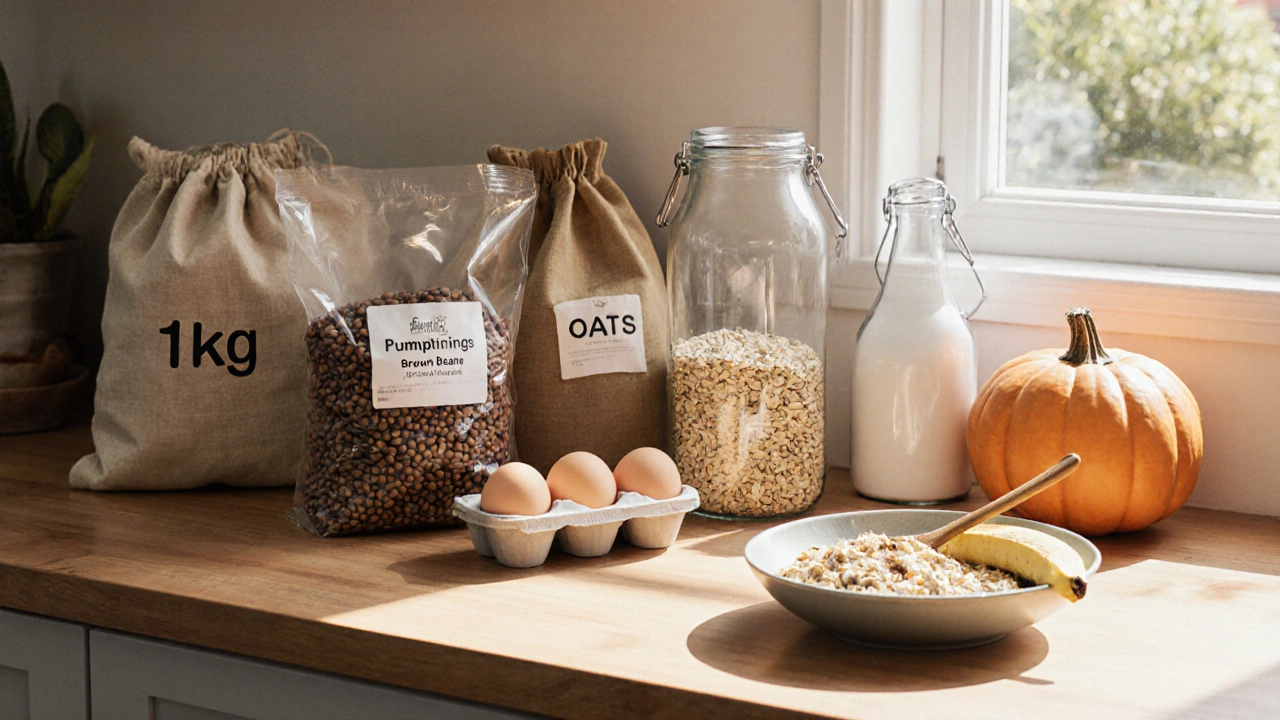
Learn how to eat healthy, filling meals on under $20 a week using simple, affordable ingredients like beans, rice, eggs, and seasonal veggies. No junk food. No stress. Just real food that works.
Categories
RECENT POSTS

How to Improve Your Mental Wellbeing: Simple, Proven Steps for Daily Life
Learn simple, science-backed ways to improve your mental wellbeing every day - from walking and sleep to connection and reducing screen time. No therapy required, just small habits that make a big difference.

Is Goodwill Actually Sustainable? A Deep Dive into Thrift Store Impact
Explore Goodwill's real impact on sustainability, carbon savings, waste diversion, and social benefits. Find data, myths, and tips for greener thrift shopping.

How to Tell If Someone Isn't Mentally Doing Well
Learn the quiet signs someone isn't mentally doing well-from withdrawal and changed habits to emotional numbness. Know how to respond with care, not judgment.

Mastering Minimalism: The 20 20 Rule Explained with Tips for a Simplified Life
Discover the 20 20 rule in minimalism—what it means, how it works, and real-life tips for decluttering your space and embracing more freedom.

Is It Good to Read Self-Help Books Before Bed? What Science Says
Reading self-help books before bed can help you relax-or keep you awake. Learn which books calm your mind, which ones overstimulate it, and how to use bedtime reading to actually improve sleep.