Life Alignment Calculator
How aligned are you with the golden rule?
This calculator helps you assess your daily alignment by evaluating your possessions, time, and relationships against the golden rule: only keep what you use, love, or truly need.
Answer honestly—no judgment here. This is about your peace.
How much of your physical belongings do you actively use or love?
How much of your time is spent on things that make your life easier, not harder?
How much of your energy is spent on relationships that leave you feeling lighter?
You’ve probably heard the golden rule: treat others as you want to be treated. But what if the real golden rule isn’t about other people at all? What if it’s about how you treat yourself every single day?
The Quiet Revolution of Less
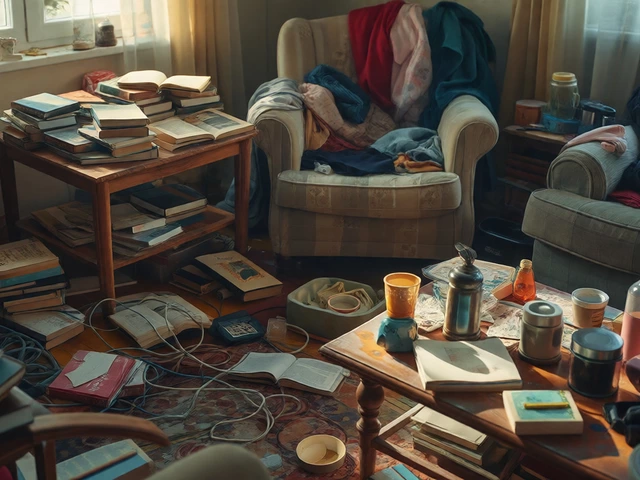
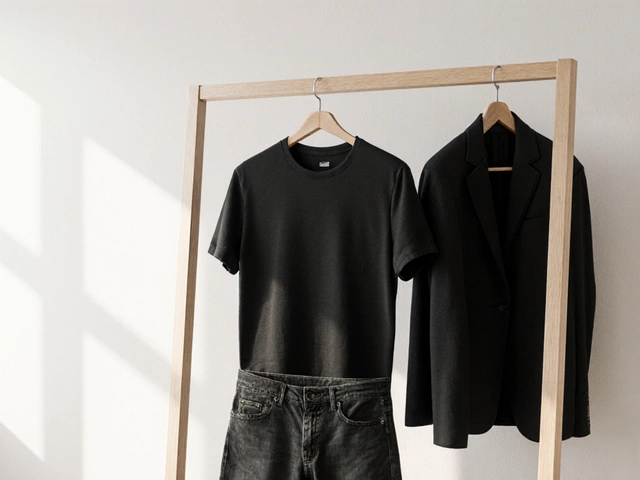
In 2025, the average New Zealand household owned 10,000 items. That’s not a typo. Ten thousand things. And yet, surveys show more people feel overwhelmed than ever. Clutter isn’t just physical-it’s mental. It’s the unread emails piling up, the subscriptions you forgot you had, the clothes you haven’t worn in two years but still keep because they were expensive. The golden rule of minimalism isn’t about owning fewer things. It’s about keeping only what serves you. Everything else? It’s noise.I used to think minimalism meant white walls and empty shelves. Then I moved into a smaller apartment in Wellington and realized: it’s not about how much you remove. It’s about what you keep. The coffee mug I drink from every morning? That stays. The six identical black sweaters? Gone. The phone app I open five times a day just because it’s there? Uninstalled. Minimalism isn’t austerity. It’s curation.
How the Golden Rule Applies to Your Stuff
The real test? Ask yourself this before buying, keeping, or even opening something: Does this make my life easier, or harder? Not better. Not prettier. Not trendy. Easier.- That sweater you bought on sale? If it takes 20 minutes to find something to wear because of it, it’s making your life harder.
- That subscription you signed up for during a sale? If you haven’t opened it in six months, it’s not a benefit-it’s a burden.
- That gift from Aunt Linda you feel guilty about not using? If keeping it drains your energy, it’s not a keepsake-it’s a weight.
Minimalism isn’t about perfection. It’s about honesty. You don’t need to throw out everything. You just need to stop pretending things serve you when they don’t. The golden rule here is simple: only keep what you use, love, or truly need. Not might use. Not could use. Not looks nice in a photo. Use, love, need.
Your Time Is Your Most Valuable Asset
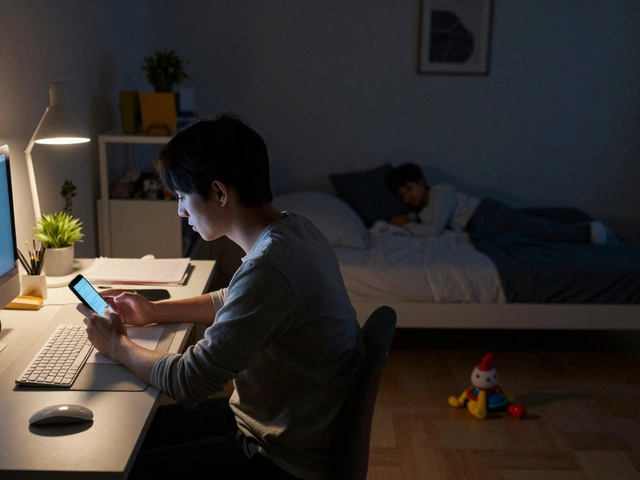
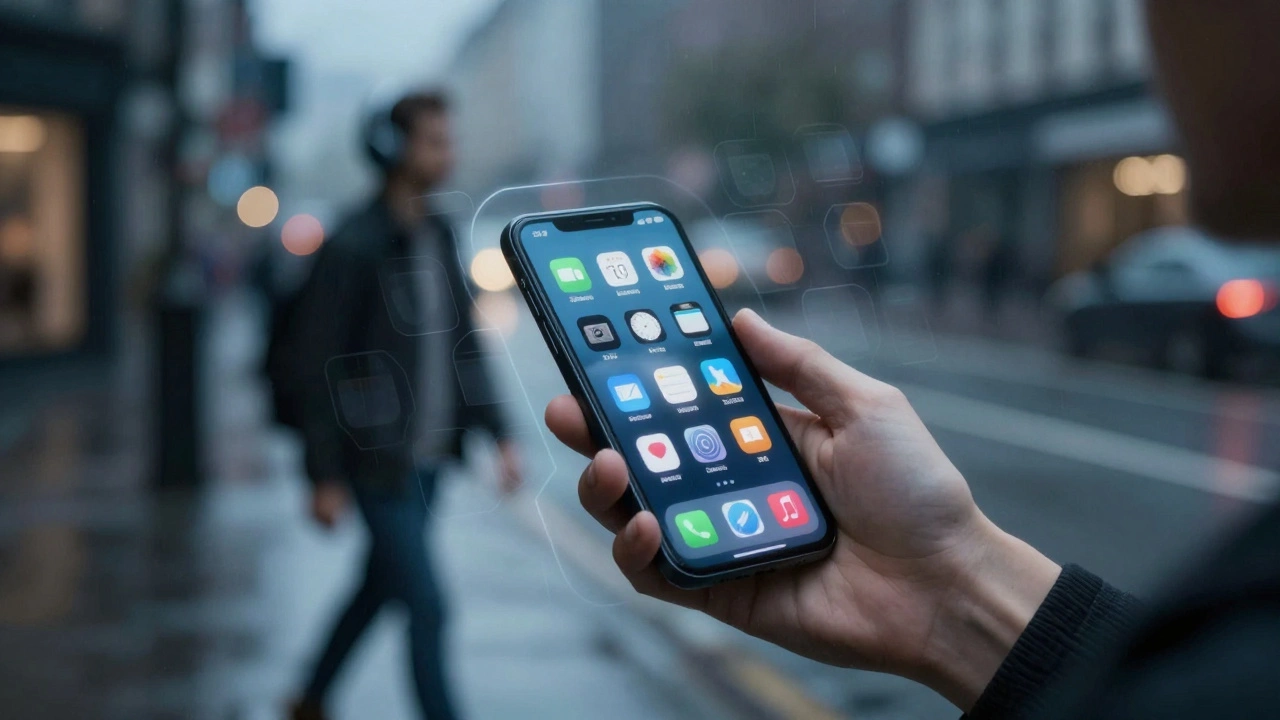
The same rule applies to how you spend your time. We talk about money like it’s finite-but time is the real currency. You get 24 hours. No more. No refunds. And yet, most people spend hours scrolling, waiting, reacting, and justifying why they’re too busy to do what matters.One woman I know deleted all social media apps from her phone. Not because she hated them. But because she realized she was spending 90 minutes a day scrolling mindlessly-time she could’ve spent reading, walking, or talking to her daughter. She didn’t become a monk. She just stopped letting apps steal her attention. That’s minimalism. It’s not about living like a hermit. It’s about reclaiming your focus.
Try this: For one week, write down every time you feel distracted or drained. Then ask: Did this come from me, or was it forced on me? If it’s the latter, it’s not yours to carry. Unsubscribe. Say no. Turn off notifications. Delete the app. Walk away. That’s the golden rule in action.
Relationships That Don’t Drain You
The golden rule doesn’t stop at stuff and time. It extends to people too. You don’t have to be rude. You don’t have to cut everyone off. But you do have to recognize when a relationship is taking more than it gives.Some friendships are like old socks-comfortable, familiar, but worn thin. Some family dynamics are exhausting because they’re built on guilt, obligation, or unresolved tension. Minimalism in relationships means letting go of the idea that you owe people your energy. You owe them kindness, yes. But you don’t owe them your peace.
I used to say yes to every invitation, every request, every emotional load. Then I started asking: Does this connection leave me lighter or heavier? That question changed everything. I didn’t lose friends. I lost the illusion that I had to be everything to everyone.
Minimalism Isn’t About What You Own-It’s About What You Feel
The biggest myth about minimalism is that it’s about owning less. It’s not. It’s about feeling more. More calm. More clarity. More space to breathe. More time to be present.When you stop filling your life with things that don’t matter, you make room for what does. The smell of rain on pavement. A conversation that lasts longer than five minutes. The quiet of your own thoughts before the morning coffee. These aren’t luxuries. They’re essentials.
Minimalism isn’t a trend. It’s a return to basic human needs: safety, belonging, purpose, peace. And the golden rule? It’s the quiet compass guiding you back to them every day.
Start Small. Stay Honest.
You don’t need to do a full closet purge tomorrow. You don’t need to quit your job or move to a cabin in the woods. Just start with one thing.- One app you delete.
- One email you unsubscribe from.
- One commitment you say no to.
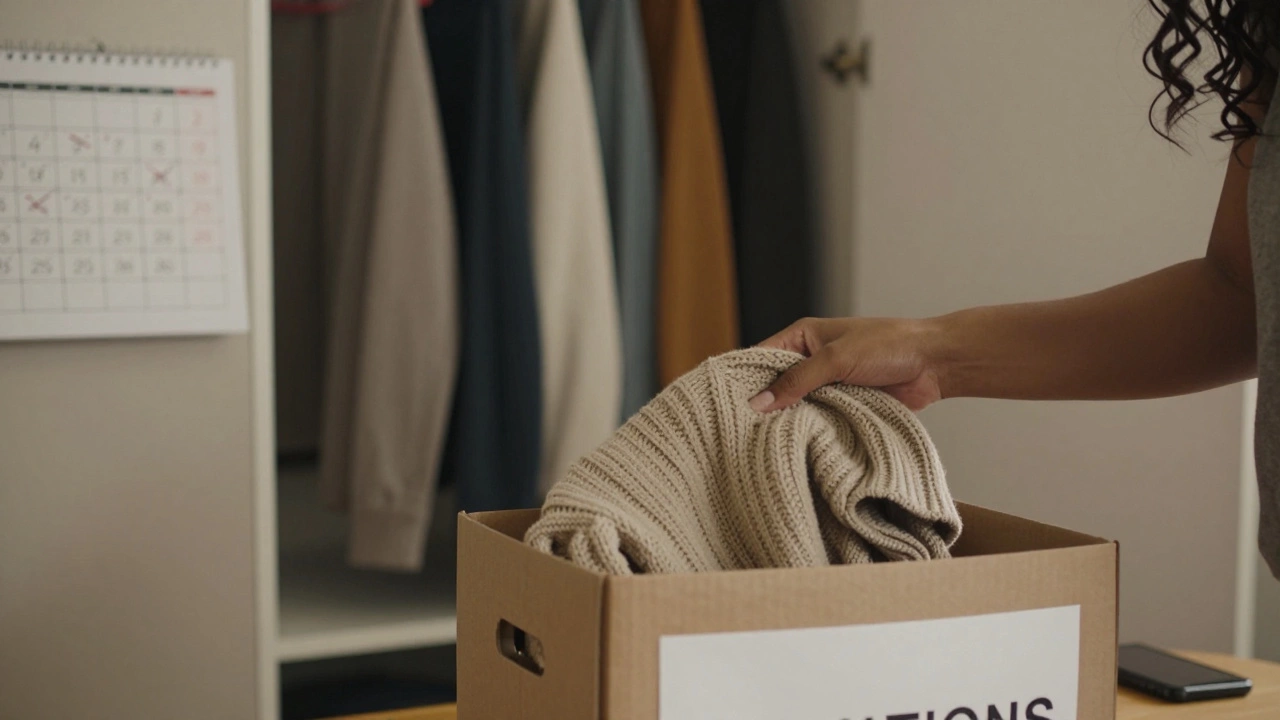
- One item you donate because it doesn’t bring you joy-or even comfort.
Then do it again tomorrow. And the next day. Slowly, the noise fades. And what’s left? What you truly value.
The golden rule of everyday life isn’t about how you treat others. It’s about how you treat yourself. And the most powerful way to do that? Stop keeping what doesn’t belong to you-whether it’s stuff, time, or energy.
Is minimalism only for people with a lot of stuff?
No. Minimalism isn’t about how much you own-it’s about how you feel about what you own. Someone with a small apartment can still feel overwhelmed by clutter. Someone with a big house can live with very little. It’s about alignment. If something adds stress, even if it’s just one thing, it’s worth rethinking.
Can I still enjoy shopping if I’m a minimalist?
Absolutely. Minimalism isn’t anti-shopping. It’s pro-intention. Instead of buying because something’s on sale or looks cute, you buy because it solves a real need or brings you genuine joy. One well-made coat that lasts five years is better than five cheap ones that fall apart. Quality over quantity. Purpose over impulse.
What if my family doesn’t get it?
You don’t need their approval to live differently. You can’t control their habits, but you can control your space. Keep your own area clear. Set quiet boundaries. Don’t argue about it. Just live it. Over time, people notice change-not because you told them, but because you’re calmer, more present, and less stressed. That’s more persuasive than any lecture.
Is minimalism expensive?
It can be, if you buy ‘minimalist’ products. But true minimalism saves money. By buying less, you spend less. By repairing instead of replacing, you stretch your budget. By canceling unused subscriptions, you free up cash. Minimalism isn’t about buying the right things-it’s about stopping the cycle of buying things you don’t need.
How do I know if I’m doing it right?
You’ll know when you stop feeling guilty about what you keep. When you open your closet and don’t sigh. When you check your phone and don’t feel anxious. When you say no to something and feel relieved, not guilty. Minimalism isn’t about rules-it’s about peace. If you feel lighter, you’re on the right path.
What Comes Next?
If you’re ready to go further, try this: Pick one area of your life-your kitchen, your inbox, your calendar-and spend 15 minutes removing what doesn’t serve you. Don’t clean. Don’t organize. Just remove. Then notice how you feel afterward. That feeling? That’s the golden rule working.It’s not about having less. It’s about living more.