Eco-Friendly Fashion: Sustainable Style That Actually Matters
When you buy eco-friendly fashion, clothing made with low environmental impact, ethical labor, and materials that don’t harm the planet. Also known as sustainable fashion, it’s not about buying less—it’s about buying better. Too many brands slap a leaf on their packaging and call it green. But real eco-friendly fashion means checking where the cotton was grown, who stitched the seams, and what happens when you’re done with it.
True sustainable fashion, a system that minimizes pollution, waste, and exploitation from farm to landfill doesn’t rely on fast turnover. It’s built to last, repaired easily, and designed to be recycled or returned. That’s why certifications like GOTS or Fair Trade matter—they’re third-party proof, not just marketing. And it’s not just about organic cotton. It’s about how much water was used to dye that shirt, or if the buttons were made from recycled plastic or plastic from oil.
Textile waste, the massive pile of clothes thrown away every year, mostly ending up in landfills or incinerated is one of the biggest problems. The UK alone throws out 300,000 tons of clothing annually. But swapping one fast fashion item for a well-made piece from a transparent brand cuts that waste before it starts. It’s not about having a closet full of linen dresses—it’s about knowing where your clothes come from and who made them.
That’s why ethical fashion, a system that values people as much as the planet is part of the same equation. If a brand won’t tell you the factory location or pay fair wages, it’s not sustainable, no matter how green the fabric looks. Real eco-friendly fashion connects the dots between your wallet, the worker’s hands, and the river downstream.
Below, you’ll find real guides on how to tell which brands are telling the truth, what secondhand shopping actually saves, and how to build a wardrobe that doesn’t cost the earth—literally. No fluff. No trends. Just what works.
What Qualifies as Sustainable Fashion? A Clear Guide to Ethical Clothing
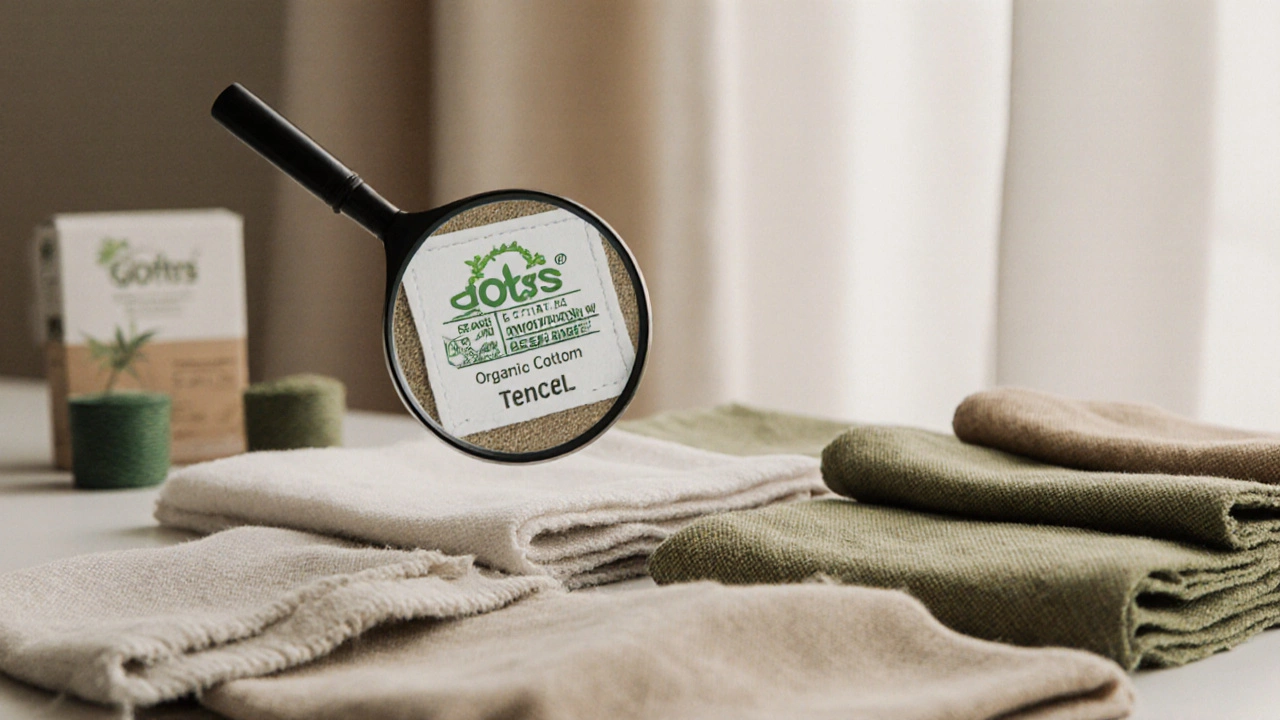
Sustainable fashion isn't just about organic cotton or recycled labels. It's about materials, fair labor, durability, and what happens after you're done wearing it. Learn what truly makes clothing sustainable.
Categories
RECENT POSTS

How to Choose the First Room to Declutter - Proven Home Organization Tips
Discover how to pick the first room to declutter for maximum impact, using a simple scorecard, quick‑win tips, and a step‑by‑step plan that keeps momentum flowing.
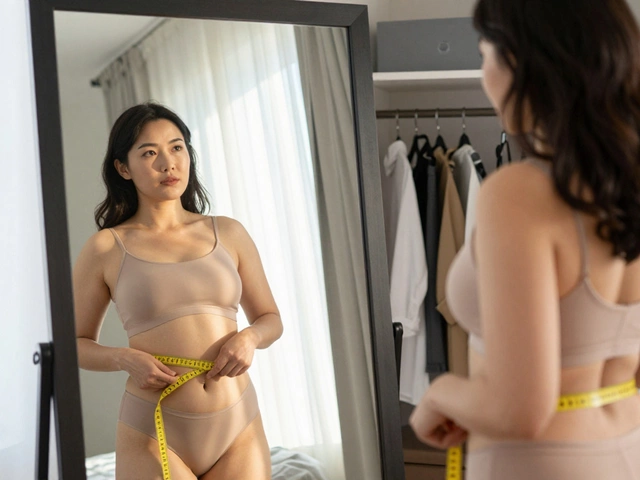
How to Find Your Body Shape and Style: A Practical Guide
Discover how to identify your body shape and build a personal style that fits. Learn practical tips for choosing clothes that enhance your silhouette and boost confidence.

Does Walking Reduce Belly Fat? The Truth About Spot Reduction and Home Workouts
Discover if walking truly reduces belly fat. Learn the science behind spot reduction myths, how to optimize your walks for maximum fat burn, and why diet and sleep matter just as much as your steps.

What is Replacing Shiplap in 2024: Top Alternatives for Modern Homes
Shiplap is fading out. Discover top 2024 alternatives like board and batten, wainscoting, and limestone for modern, stylish homes.

Unhealthy Work‑Life Balance: Definition, Signs & Solutions
Explore what makes a work-life balance unhealthy, spot warning signs, understand impacts, and learn practical steps to restore balance and prevent burnout.