Budget Meal Planner
Feeding yourself on $50 a week sounds impossible if you’ve ever stared at a supermarket shelf and wondered how anyone survives on that. But it’s not magic. It’s strategy. I’ve done it for over a year in Wellington, eating real food - not just rice and beans - and staying energized, full, and even occasionally excited about dinner. No energy drinks. No protein powder. Just food that costs less than you think.
Start with what actually lasts
The biggest mistake people make is buying food that goes bad in three days. Fresh berries, leafy greens, and pre-cut veggies? They’re expensive and short-lived. Instead, focus on ingredients that last weeks, even months, and give you the most bang for your buck.
Here’s what I buy every week:
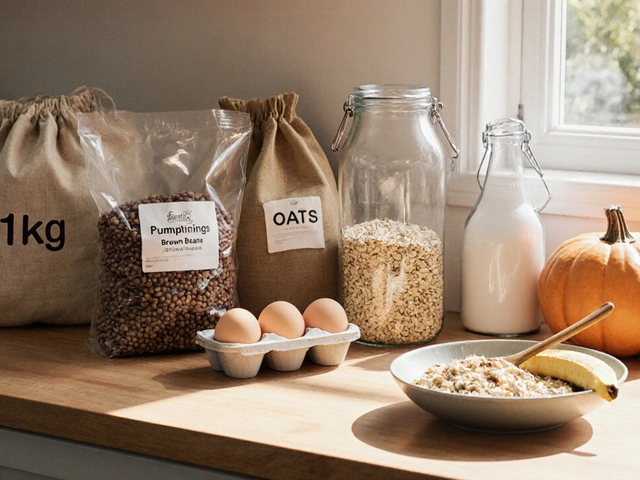
- Oats - $3.50 for a 1kg bag. One serving costs less than 10 cents. Eat them with banana and a spoon of peanut butter for breakfast.
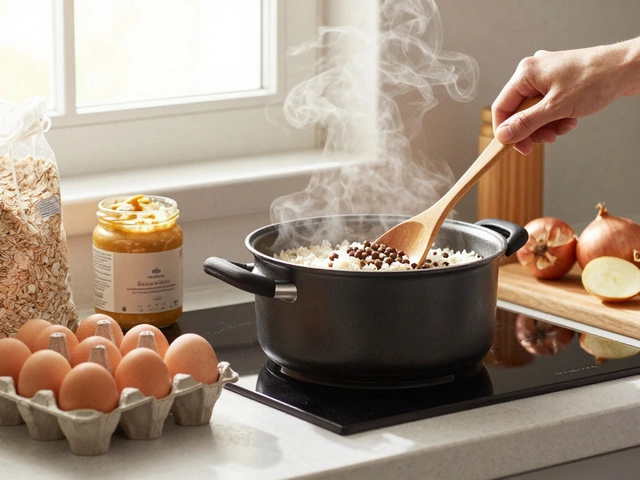
- Dried lentils - $2.20 for 500g. Cooks into enough for 6 meals. High in protein, iron, and fiber. No need for canned.
- Rice - $1.80 for 2kg. Brown or white, doesn’t matter. It’s the base for everything.
- Eggs - $4.50 for a dozen. The cheapest complete protein you can buy. Hard-boil a few for snacks.
- Canned tomatoes - $1.10 per can. Add flavor to lentils, rice, eggs - anything.
- Onions and potatoes - $1.50 for 2kg total. Last forever. Roast them. Fry them. Boil them. They’re flavor and filler rolled into one.
- Carrots - $1.20 for a bunch. Eat raw, roast them, or throw them into soups.
- Peanut butter - $4.80 for 500g. Lasts months. Spread on toast, stir into oatmeal, or mix with soy sauce for a dip.
That’s $23.10. You’ve got $26.90 left. And you haven’t bought meat, dairy, or fancy stuff. Yet.
Buy in bulk, but smartly
Supermarkets aren’t your friend when you’re on a tight budget. But discount stores like Pak’nSave, The Warehouse, or local Asian grocers are. I buy my rice and oats in 5kg bags from an Asian market. It’s half the price of the supermarket. Same with lentils. A 2kg bag of red lentils at the Asian store? $3.50. At Countdown? $7.50.
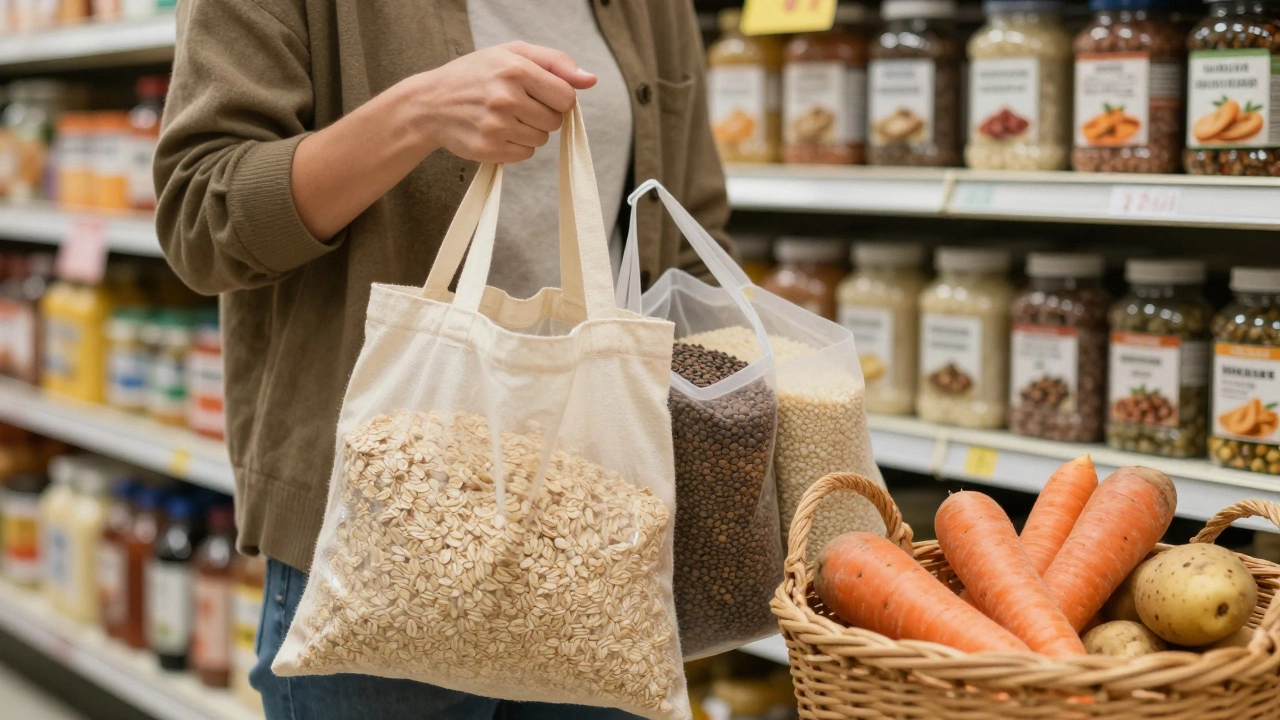
Don’t be afraid of bulk bins. Many stores let you bring your own containers. Fill a jar with oats, lentils, or even spices. You avoid packaging fees and buy exactly what you need.
Also, skip the organic label unless it’s on eggs or carrots. Organic apples don’t taste better. They just cost more. Stick to conventional for produce. Save organic for things that matter - like dairy or meat - if you choose to buy them.
Meal structure: Repeat, don’t reinvent
People think meal prep means cooking five different dishes. It doesn’t. It means cooking one thing well, then turning it into three meals.
Here’s my weekly pattern:
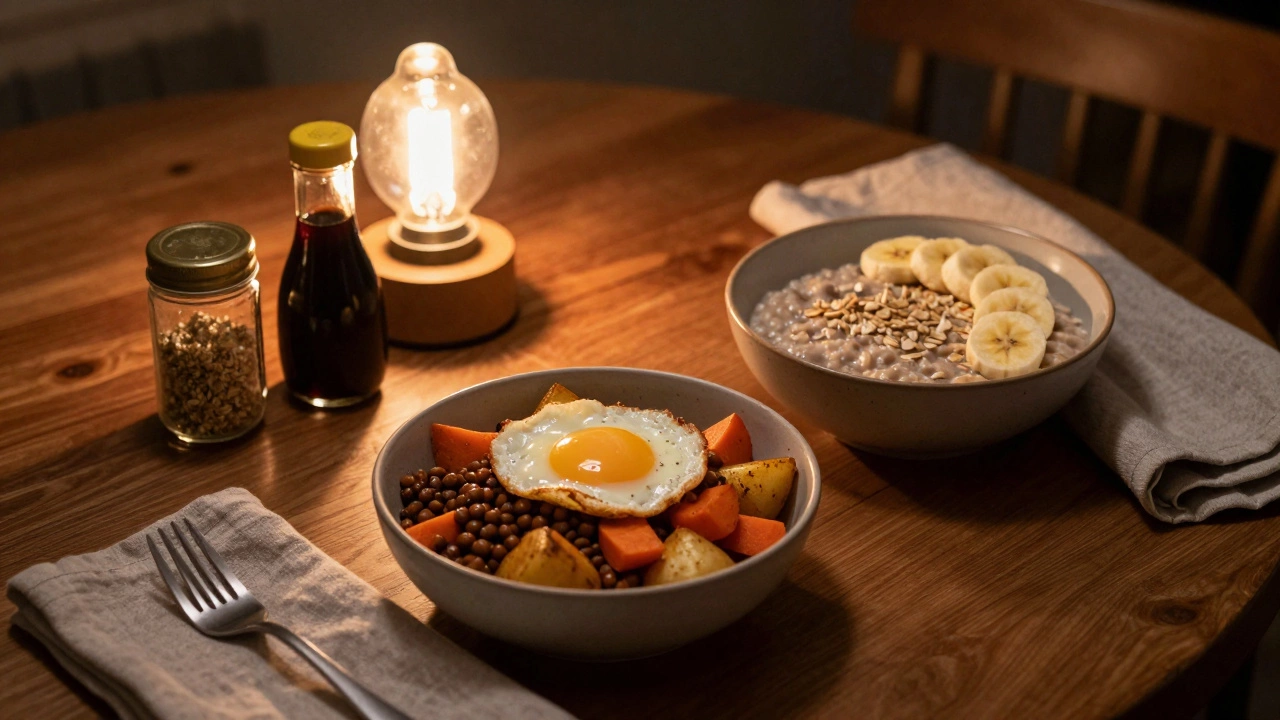
- Monday - Lentil and rice bowl with sautéed onions, carrots, and a fried egg on top. Add a splash of soy sauce. That’s dinner.
- Tuesday - Leftover lentil rice, reheated, with a handful of spinach stirred in. One egg on the side. Done.
- Wednesday - Oatmeal for breakfast. Peanut butter and banana for lunch. Leftover lentil mix as a wrap with shredded carrot.
- Thursday - Potatoes roasted with onions and a sprinkle of paprika. Eat with a boiled egg and a side of raw carrots.
- Friday - Rice stir-fry with leftover veggies, egg, and a dash of soy sauce. No oil needed if you use a non-stick pan.
- Saturday - Breakfast for dinner: scrambled eggs with toast and peanut butter. Leftover potatoes on the side.
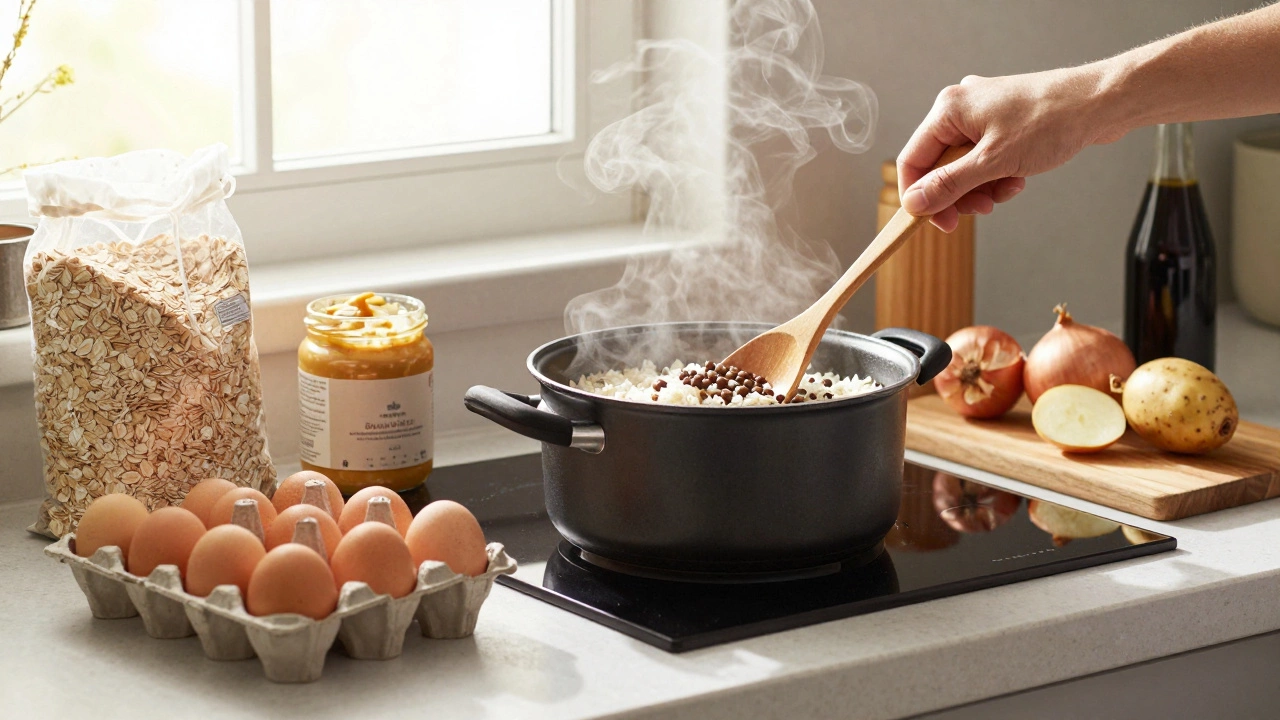
- Sunday - Soup day. Boil potatoes, onions, carrots, and a can of tomatoes. Add a cup of lentils. Simmer for an hour. Eat it cold the next day. It lasts.
That’s 7 meals a day. 49 meals total. All under $50. No takeout. No snacks bought in packs. No energy bars. Just food you made yourself.
Protein doesn’t have to be meat
You don’t need chicken, beef, or pork to get enough protein. Lentils have 18g per cooked cup. Eggs have 6g each. Peanut butter? 8g per 2 tablespoons. Oats? 5g per serving.
I average 60-70g of protein a day without touching meat. That’s enough for muscle maintenance, energy, and feeling full. Meat is a luxury here. If I want it, I buy one chicken leg for $3.50 and stretch it over two meals.
Plant-based doesn’t mean bland. Soy sauce, garlic powder, smoked paprika, cumin, and a squeeze of lemon make everything taste different. I keep a small bottle of soy sauce and a jar of garlic powder. That’s $2.50 total. Lasts months.
What not to buy
Here’s what I avoid - even if it’s on sale:
- Pre-packaged salads
- Single-serve yogurts
- Flavored oatmeal packets
- Granola bars
- bottled sauces (like pasta sauce or salad dressing)
- Almond milk or other fancy plant milks
These are all overpriced versions of things you can make or buy cheaper. Plain oatmeal + banana + peanut butter costs less than a $4 granola bar. Homemade soup beats $5 bottled broth. Plain soy milk? $2.80 for a liter. Flavored? $4.50. The difference isn’t taste. It’s marketing.
Snacks? Yes. But not like that
You don’t have to go hungry between meals. I snack on:
- Boiled eggs
- Raw carrots or celery sticks
- A spoon of peanut butter
- Half a banana
- Roasted chickpeas (from a 500g bag - $2.50 - I roast them with paprika and salt)
No chips. No cookies. No candy. I don’t miss them. My body doesn’t crave sugar when I’m eating enough fiber and protein. And I save $15 a week by not buying snacks.
What about fruits and vegetables?
You don’t need exotic produce. Bananas are $2.50/kg. Apples are $3/kg. Carrots, onions, potatoes - they’re dirt cheap. I buy what’s in season. In winter, it’s cabbage and pumpkin. In summer, it’s tomatoes and zucchini. I don’t buy strawberries in July. They’re $12 a punnet. I wait until December.
And I freeze what I can. Leftover roasted veggies? Freeze them. Overripe bananas? Mash them, freeze in bags. Use them later in oatmeal or pancakes. No waste. No guilt.
Why this works
This isn’t about deprivation. It’s about shifting your mindset. You’re not buying food to impress people. You’re buying food to fuel your body. And your body doesn’t care if your lunch came from a $12 salad bowl or a $0.80 bowl of lentils with egg.
I’ve lost 7kg on this budget. My energy is steadier. I don’t crash after lunch. I don’t feel bloated. My digestion improved. And I’ve saved over $1,200 in a year.
You don’t need to be perfect. Miss a day? Eat rice and egg. That’s still better than buying a $10 takeaway. The goal isn’t to eat like a food blogger. It’s to eat well without going broke.
Sample weekly shopping list (total: $48.70)
| Item | Quantity | Cost (NZD) |
|---|---|---|
| Oats | 1kg | $3.50 |
| Dried lentils | 500g | $2.20 |
| Rice (brown) | 2kg | $1.80 |
| Eggs | 1 dozen | $4.50 |
| Canned tomatoes | 2 cans | $2.20 |
| Onions | 1kg | $0.80 |
| Potatoes | 2kg | $0.70 |
| Carrots | 500g | $1.20 |
| Peanut butter | 500g | $4.80 |
| Bananas | 3kg | $7.50 |
| Soy sauce | 1 bottle | $2.50 |
| Garlic powder | 1 small jar | $1.50 |
| Smoked paprika | 1 small jar | $1.80 |
| Chickpeas (dried) | 500g | $2.50 |
| Whole wheat bread | 1 loaf | $3.90 |
| Tea bags | 1 box | $2.50 |
| Total | $48.70 |
That’s $1.30 left. You can add a can of tuna, a block of cheese, or save it for next week.
Final tip: Plan ahead, but stay flexible
I plan my meals every Sunday. But if I’m tired, I don’t stress. I make a pot of rice. I crack two eggs. I add whatever’s left in the fridge. That’s dinner. No recipe needed.
Food isn’t about perfection. It’s about consistency. Eat real things. Cook in batches. Use spices. Avoid packaged junk. And remember - $50 a week isn’t a sacrifice. It’s freedom. Freedom from debt. Freedom from impulse buys. Freedom to eat well, no matter what your bank balance says.