Ethical Shopping: What It Really Means and How to Do It Right
When you hear ethical shopping, the practice of choosing products based on social, environmental, and human rights impact rather than price or trend alone. Also known as conscious consumerism, it means asking: Who made this? Under what conditions? And what happens after I’m done with it? This isn’t about perfection. It’s about progress. You don’t need to overhaul your whole life overnight. But you do need to start looking past the label.
Sustainable fashion, clothing made with low environmental impact and fair labor practices is one of the biggest pieces of ethical shopping. But it’s not just organic cotton or recycled polyester. It’s about durability, repairability, and whether workers were paid enough to feed their families. Brands that hide behind buzzwords like "eco-friendly" without showing proof? That’s greenwashing. Real ethical clothing, garments produced with transparency, fair wages, and safe working conditions will tell you exactly where and how they’re made. You’ll see factory names, wage reports, and material sources—not just a leaf icon on a tag.
And it’s not just clothes. Fair trade, a system that guarantees producers in developing countries receive fair prices and decent working conditions applies to coffee, chocolate, tea, even handbags. Buying fair trade isn’t charity—it’s justice. It means the person who picked your coffee beans wasn’t forced to work 16-hour days for pennies. It means the woman who stitched your bag had time to pick up her kids from school.
Most people think ethical shopping costs more. But look closer. A cheap T-shirt that falls apart after three washes? That’s more expensive in the long run. A well-made shirt that lasts five years? That’s smarter. Thrift stores, repair shops, and rental services are all part of ethical shopping too. You don’t need to buy new to be ethical. Sometimes, the most ethical choice is not buying at all.
What you’ll find here aren’t just lists of "best brands" or influencer endorsements. These are real, practical guides—like how to tell if a brand is telling the truth, why Goodwill matters more than you think, and how to build a wardrobe that lasts without spending a fortune. No fluff. No guilt trips. Just clear, usable info that helps you make better choices without needing a degree in supply chains.
Is Target Fast Fashion? Honest Look at Their Clothing & Ethics
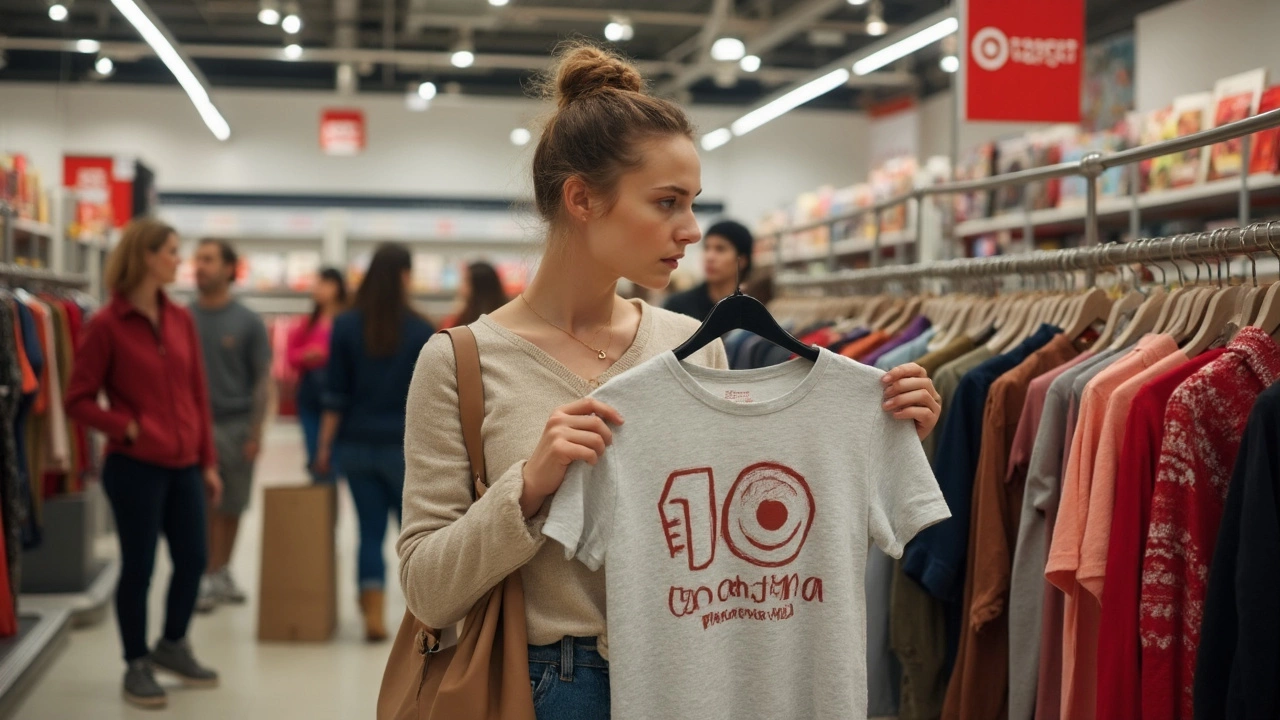
Does Target count as fast fashion? Dive deep into their clothing lines, sustainability efforts, and what really goes into those $10 tees everyone loves.
Categories
RECENT POSTS
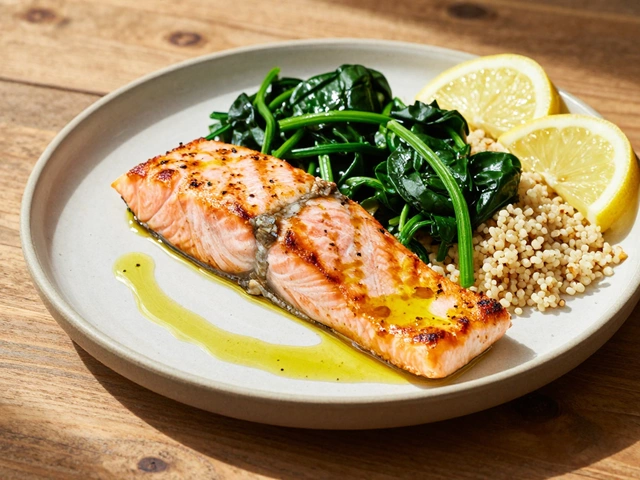
The Healthiest Diet: Finding the Best Way to Eat for Your Body
Stop searching for a single 'best' diet. Discover the science-backed eating patterns like Mediterranean and DASH that promote longevity and heart health for everyone.

Do Millennials Like Minimalism? The Real Story Behind the Trend
Millennials aren't chasing minimalism for looks-they're chasing peace. Learn why this generation is quietly ditching clutter for space, time, and financial freedom-not because it's trendy, but because it works.

Why Do You Cross Your Legs When Meditating?
Crossing your legs during meditation isn't about tradition-it's about stability and comfort. Learn why this posture works for most people and what alternatives exist if it doesn't suit your body.

The Right Order to Decorate a House: A Step-by-Step Guide
Discover the correct order to decorate your house, from structural updates to final accessories. Follow our step-by-step guide to avoid costly mistakes and create a cohesive, stylish home.

Mindfulness Practices: Simple Examples That Actually Work
Discover practical examples of mindfulness practices like mindful breathing, body scans, and walking. Learn how to apply present-moment awareness to reduce stress and improve focus in daily life.