Fashion Transparency: What It Really Means and Why It Matters
When we talk about fashion transparency, the practice of openly sharing how clothing is made, from raw materials to factory conditions. Also known as ethical fashion disclosure, it’s about holding brands accountable for every step of the process—not just the final label. This isn’t just about organic cotton or recycled polyester. It’s about asking: Who stitched this? Were they paid enough? Did they breathe clean air? What happened to the leftover fabric? Most brands won’t tell you. And that silence is the real problem.
True sustainable fashion, clothing designed to last, made with fair labor, and responsibly disposed of. Also known as slow fashion, it can’t exist without transparency. You can’t call something sustainable if you don’t know where the dye came from or if the workers got a lunch break. That’s why brands that publish factory locations, wage data, and carbon footprints are the ones worth listening to. And it’s why textile waste, the massive amount of clothing thrown away each year, often ending up in landfills or burned. Also known as fashion landfill, it’s a direct result of hidden supply chains. If you don’t know where your clothes come from, you can’t know where they end up. And right now, over 90% of used clothing gets dumped or incinerated.
There’s a reason ethical clothing, garments made with respect for people and the planet, from design to disposal. Also known as fair trade fashion, it’s a growing movement. keeps popping up in the posts here. People are tired of buying things that cost the earth. They want to know if that $10 shirt was made by someone earning $2 a day. They want proof that the brand didn’t cut corners on safety or wages. And they’re starting to vote with their wallets. You don’t need to buy less—you just need to buy smarter. That’s where fashion transparency becomes power.
What you’ll find in the articles below aren’t marketing fluff or glossy brand campaigns. These are real breakdowns: how to spot greenwashing, which brands actually share their supply chains, what happens to clothes after you donate them, and why your favorite fast fashion label won’t tell you where their cotton is grown. This isn’t about guilt. It’s about clarity. And once you see the full picture, you’ll never look at a price tag the same way again.
How to Tell If a Fashion Brand Is Truly Sustainable

Learn how to spot real sustainable fashion brands-not just greenwashing. Check certifications, labor practices, materials, and transparency to make smarter, longer-lasting clothing choices.
Categories
RECENT POSTS

What is the 80/20 Rule for Decluttering? A Practical Guide to Home Organization
Discover the 80/20 rule for decluttering, a powerful method to identify the 20% of items you use most. Learn practical steps to reduce clutter, save time, and create a functional home using the Pareto Principle.

Life-Changing Books: Stories That Shape Who We Become
Explore how a single book can change your life. Discover stories, research, and top tips for finding the book that could spark your next big transformation.
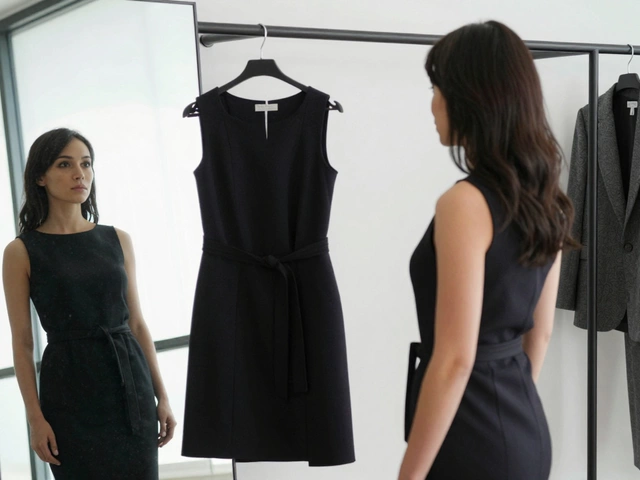
How to Find Clothes That Suit You: Style Guide for 2026
Discover how to identify which clothes truly suit your unique features. We explore body shapes, color undertones, and fabric choices to help you build a confident wardrobe.

Best Cosmetics Brands: Honest Guide to Top Makeup Picks in 2025
Confused choosing a cosmetics brand? Discover proven facts, top picks, and real tips for selecting the best makeup and skincare brands in 2025. Get expert insights, not hype.

Eco-Friendly Products: How Switching Changes Your Life and the Planet
Switching to eco-friendly products ripples out in powerful ways. Discover real effects on your health, wallet, and the planet—plus stats, tips, and eye-opening facts.