Food Safety: How to Eat Without Risk in Everyday Life
When we talk about food safety, the practices that prevent foodborne illness by controlling contamination and improper handling. Also known as food hygiene, it’s not about perfection—it’s about stopping the tiny mistakes that lead to big problems. Every year, millions get sick from food that wasn’t handled right. Not because of fancy restaurants or imported goods—but because someone left chicken on the counter too long, reused a dirty sponge, or didn’t wash their hands after using the bathroom.
Food poisoning, an illness caused by eating contaminated food, often from bacteria like Salmonella or E. coli doesn’t always come from spoiled meat. It shows up in that bag of pre-washed salad left out for hours, the leftover rice stored overnight in a warm kitchen, or the cutting board used for raw chicken and then sliced tomatoes without cleaning. Food storage, how you keep food at the right temperature to stop bacteria from multiplying is the silent hero here. Your fridge isn’t cold enough if it’s above 5°C. Your freezer doesn’t kill germs—it just pauses them. And no, putting hot food straight into the fridge won’t break it, but it won’t cool fast enough either. That’s why dividing big pots into shallow containers matters.
Hygiene practices, the simple actions like handwashing, cleaning surfaces, and separating raw from cooked food are the foundation. You don’t need bleach. You don’t need expensive cleaners. Just hot soapy water, a clean cloth, and the habit of washing your hands before touching anything you’ll eat. Cross-contamination isn’t a buzzword—it’s how your avocado toast becomes a stomachache. Use one knife for raw eggs, another for veggies. Wash that sponge every few days—or better yet, swap it for a paper towel. And don’t trust the "use-by" date on packaged meat. If it smells off, looks slimy, or feels sticky, throw it out. No exceptions.
Food safety isn’t about fear. It’s about control. You can’t stop every germ, but you can stop most of them with routine, not rules. The posts below show you exactly how to do it: how to store leftovers without guesswork, how to tell if your fridge is doing its job, how to clean your kitchen like a pro without spending hours, and how to shop for groceries without accidentally bringing home a health risk. These aren’t theory pieces. They’re real, tested habits people use every day to stay healthy—and they work.
4 Essential Food Preparation Controls for Safe Meal Prep
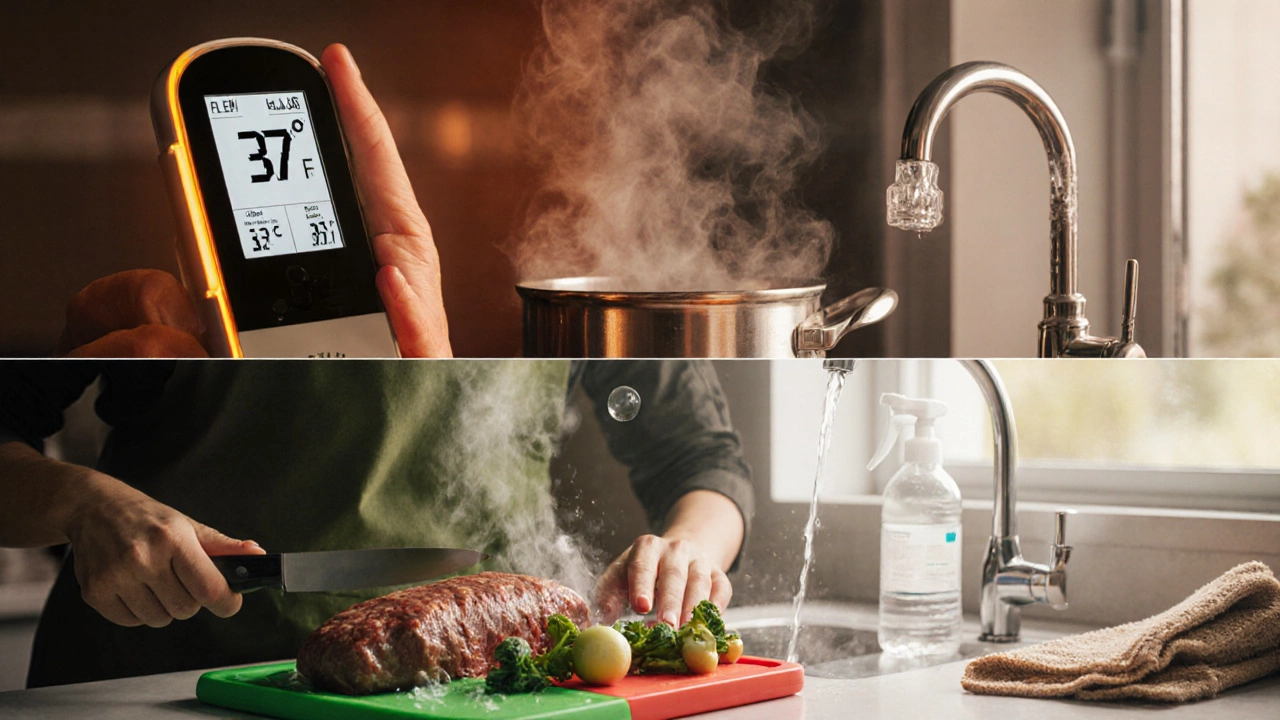
Discover the four key food preparation controls-temperature, cross‑contamination, personal hygiene, and cleaning-to keep meals safe and tasty.
Categories
RECENT POSTS

How to Start Practicing Minimalism: A Practical Beginner's Guide
Discover how to start practicing minimalism with practical steps. Learn to declutter intentionally, manage digital noise, and maintain a simple lifestyle.

3 Key Benefits of Practicing Mindfulness
Discover three powerful ways mindfulness can lower stress, sharpen focus, and boost emotional wellbeing, backed by science and real‑life tips.

What Not to Plant With Cucumbers: Companion Planting Guide
Discover which plants harm your cucumber harvest. Learn why potatoes, sage, and melons clash with cucumbers and find the best companion plants for a thriving garden.

What Is the Best Type of Reading Before Bed for Better Sleep?
The best reading before bed isn't about self-help or thrillers-it's about books that calm your mind, not charge it. Discover the quiet genres and titles that help you fall asleep faster and sleep deeper.

5 Keys to Mindfulness: A Practical Guide to Living in the Present
Discover the 5 essential keys to mindfulness: breath awareness, non-judgment, single-tasking, curiosity, and kindness. Learn practical steps to reduce stress and live fully in the present moment.