If you’ve walked into any pharmacy in the last five years, you’ve probably seen it: a simple, no-frills bottle with a blue cap, sitting quietly next to pricier brands with flashy packaging. Yet, it’s the one people keep buying. CeraVe isn’t just popular-it’s everywhere. From Reddit threads to dermatologist offices to TikTok routines, everyone’s talking about it. But why? What makes a $12 moisturizer more trusted than a $60 serum?
It was built by dermatologists, not marketers
CeraVe didn’t come from a luxury brand’s R&D lab. It was created by dermatologists at the American Academy of Dermatology in partnership with a pharmaceutical company. Their goal? Fix the broken skin barrier. Most skincare at the time focused on stripping away oil or slathering on fragrances to make skin feel soft. CeraVe flipped that. Instead of chasing glow, it chased repair.
The formula isn’t flashy. It doesn’t have 20 ingredients. It has three key ceramides-1, 3, and 6-II-that your skin naturally loses as you age or from over-cleansing. These ceramides act like mortar between skin cells, holding everything together. Without them, your skin leaks moisture and lets in irritants. CeraVe puts them back.
That’s why it works for eczema, rosacea, and even post-acne redness. It doesn’t mask. It rebuilds.
It’s gentle enough for the most sensitive skin
Think about your skin’s worst enemies: fragrance, alcohol, sulfates, parabens. Most cleansers and moisturizers still use them. CeraVe avoids all of them. No perfume. No dyes. No harsh detergents. Even their foaming cleanser doesn’t lather like traditional ones-but that’s the point. Lather doesn’t mean clean. It just means you’re stripping your skin.
People with psoriasis, eczema, or reactions to other brands often say the same thing: "I’ve tried everything. This is the first thing that didn’t burn." That’s not luck. It’s science. The brand’s non-comedogenic, hypoallergenic, and fragrance-free certifications aren’t marketing buzzwords-they’re backed by clinical testing.
One 2022 study in the Journal of Clinical and Aesthetic Dermatology showed that after four weeks of using CeraVe Moisturizing Cream, 92% of participants with moderate to severe dry skin reported improved barrier function. No other product in the study matched that result.
The MVE delivery system is the hidden hero
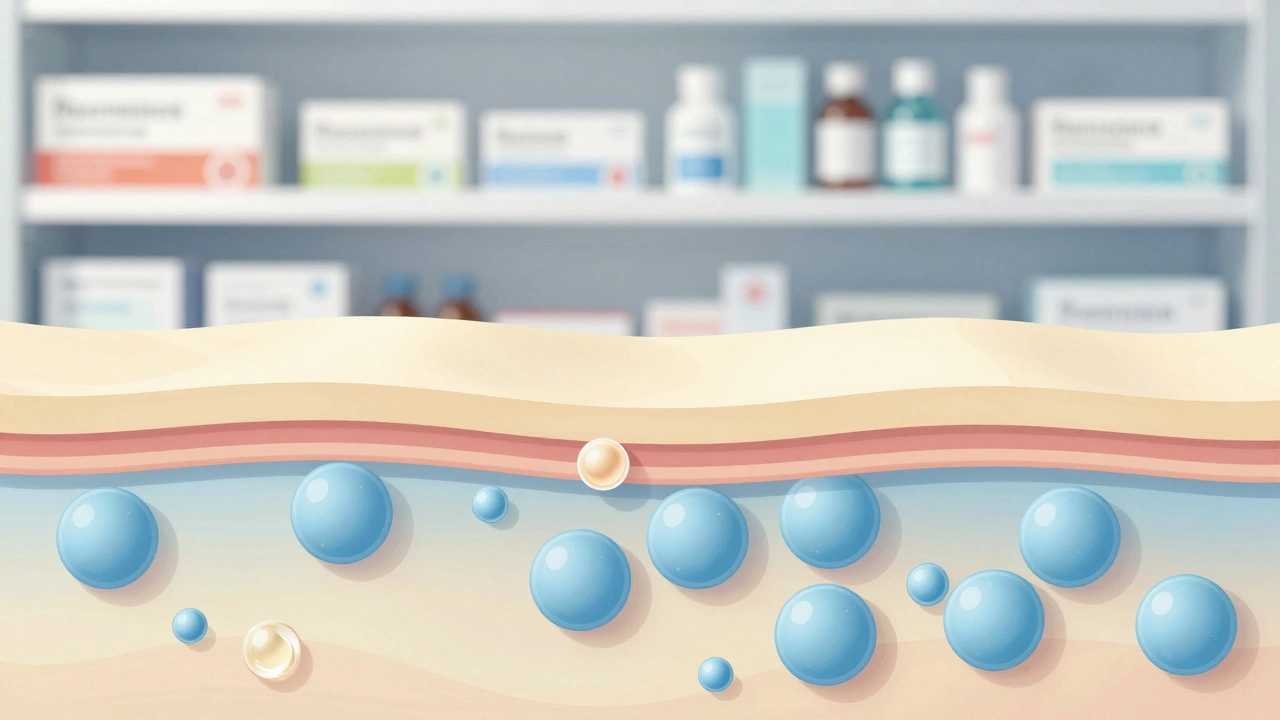
Most moisturizers give you a quick hit of hydration, then vanish. CeraVe’s patented Multi-Vesicular Emulsion (MVE) technology is different. It’s like a time-release capsule for your skin. The cream holds moisture in tiny lipid spheres that slowly break down over 24 hours, releasing ceramides and hyaluronic acid as your skin needs them.
That’s why you don’t need to reapply every few hours. A single application lasts all day-even through showers and cold winter air. You don’t feel greasy. You don’t feel tight. You just feel… normal. Like your skin remembers how to be skin again.
It’s affordable, but not cheap
At $12-$18 a bottle, CeraVe is priced like a drugstore staple. But it’s not a drugstore product. It’s a medical-grade one sold at drugstores. That’s the magic. You get the same formulation as high-end brands-without the markup for packaging, celebrity endorsements, or influencer campaigns.
Compare it to La Mer’s Moisturizing Cream, which costs $300 for 4 oz. Both contain ceramides. Both hydrate. But La Mer adds seaweed extract and luxury branding. CeraVe adds nothing extra. It just does the job. And for most people, that’s all they need.
Even dermatologists who prescribe $200 retinoids or $150 vitamin C serums often recommend CeraVe as the base layer. Why? Because no expensive treatment works if your skin barrier is broken. You can’t build on sand.
It’s not for everyone-but it’s for most
CeraVe isn’t a miracle. It won’t erase deep wrinkles or fade stubborn dark spots. If you’re looking for anti-aging power or brightening effects, you’ll need to layer other products on top. But if you’re dealing with dryness, redness, flaking, or irritation? CeraVe fixes the foundation.
It’s the go-to for teens with acne-prone skin because it doesn’t clog pores. It’s the choice for new moms with postpartum dryness. It’s the only moisturizer some elderly patients can tolerate after years of skin thinning from steroids. It’s the product dermatologists hand out after chemical peels because it calms inflammation without causing more.
There’s a reason it’s the #1 dermatologist-recommended brand in the U.S. for five years running. It’s not hype. It’s results.
What’s in the bottle? The simple truth
Let’s break down the most popular product: CeraVe Moisturizing Cream.
- Ceramides 1, 3, and 6-II - Restore the skin’s natural barrier
- Hyaluronic acid - Holds 1,000 times its weight in water
- MVE technology - Slow-release delivery over 24 hours
- Non-comedogenic - Won’t clog pores
- Fragrance-free, paraben-free, sulfate-free - No common irritants
That’s it. No niacinamide. No peptides. No retinol. No botanical extracts. Just the essentials your skin actually needs to heal itself.
How to use it right
Most people use it wrong. They apply it on dry skin, hoping it’ll soak in. That’s like pouring water on cracked concrete-it won’t stick.
Here’s what works:
- Wash your face with lukewarm water and a gentle cleanser (like CeraVe Hydrating Cleanser).
- Pat skin dry-don’t rub. Leave it slightly damp.
- Apply moisturizer within 60 seconds. That’s when your skin is most receptive.
- Use a pea-sized amount for your face. For your body, use a golf ball-sized dollop.
- Use it twice daily, morning and night. Even if your skin feels fine.
That’s it. No massaging. No layering five products. Just clean, damp skin + CeraVe. Repeat.
Real people, real results
One woman in Ohio, 68, had been using expensive creams for 20 years. Nothing helped her chronic dryness. After switching to CeraVe Cream, her eczema flares dropped from weekly to once every three months. She said: "I didn’t feel like I was buying luxury. I felt like I was finally getting care."
A college student in Texas had cystic acne. His dermatologist told him to stop using his foaming cleanser and switch to CeraVe’s. Within two weeks, his skin stopped burning. Within six weeks, his breakouts cleared. He didn’t use any acne medication. Just CeraVe.
These aren’t outliers. They’re the norm.
Why it’s still growing
CeraVe isn’t advertising on billboards. It doesn’t pay influencers. It doesn’t need to. People tell each other. A mom tells her daughter. A nurse tells her patient. A dermatologist tells their client. The word spreads because it works.
And in a world where skincare is overcomplicated, CeraVe is the quiet answer: less is more. Your skin doesn’t need a 10-step routine. It just needs to be repaired. And CeraVe does that-simply, reliably, and without drama.
Is CeraVe good for acne-prone skin?
Yes. CeraVe’s cleansers and moisturizers are non-comedogenic, meaning they won’t clog pores. Many people with acne find that traditional harsh acne treatments dry out their skin and trigger more breakouts. CeraVe helps restore the barrier without irritation, which actually reduces acne flare-ups over time. It’s often recommended as the base layer before topical acne treatments.
Can I use CeraVe on my body?
Absolutely. The CeraVe Moisturizing Cream is especially popular for body use. It’s thick enough to heal cracked heels, dry elbows, and eczema patches on arms and legs. Many people use it as an all-over body moisturizer because it’s fragrance-free and won’t irritate sensitive skin. The pump bottle version is designed specifically for body application.
Does CeraVe contain sunscreen?
The standard CeraVe moisturizers do not contain SPF. However, CeraVe does make daily sunscreens with SPF 30 and SPF 50 that contain the same ceramide blend. These are formulated to be non-greasy and suitable for sensitive skin. If you’re using CeraVe in the morning, pair it with one of their sunscreens for full protection.
Is CeraVe safe for babies and toddlers?
Yes. Many pediatric dermatologists recommend CeraVe Baby Moisturizing Cream for infants with eczema or dry skin. It’s tear-free, fragrance-free, and formulated for delicate skin. It’s also approved by the National Eczema Association. Parents often use it for diaper rash prevention and cradle cap because it’s gentle and doesn’t contain harsh chemicals.
How long does it take to see results with CeraVe?
Most people notice less dryness and redness within 3-7 days. For significant barrier repair-like reducing eczema flares or healing cracked skin-it usually takes 2-4 weeks of consistent use. Unlike products that give instant glow, CeraVe works slowly because it’s rebuilding your skin from the inside out. Patience is key.
Are there any side effects of using CeraVe?
Side effects are extremely rare. Because it’s free of fragrance, alcohol, and common irritants, most people tolerate it well-even those with the most sensitive skin. If you experience stinging or redness, stop using it and consult a dermatologist. It’s possible you’re reacting to an uncommon ingredient, but this happens in less than 1% of users.
If your skin feels tight, itchy, or irritated after washing, you’re not alone. You’re just using the wrong tools. CeraVe isn’t glamorous. But it’s honest. And in skincare, that’s the rarest thing of all.