How to Practice Mindful Eating
When you mindful eating, paying full attention to your food without distraction, using your senses to notice taste, texture, and hunger cues. Also known as conscious eating, it’s not a diet—it’s a way to reconnect with what you put in your body. Most people eat on autopilot: scrolling, working, watching TV—swallowing food without really tasting it. That’s why so many feel unsatisfied after meals, even when they’ve eaten enough. Mindful eating flips that. It’s about slowing down, noticing hunger signals, and stopping when you’re full—not when the plate is empty.
This isn’t just about being calm at the dinner table. It ties into mindful practices, simple daily habits that help you stay present, like breathing exercises or short meditations. Mindfulness reduces stress, and stress is one of the biggest reasons people overeat or crave junk food. When you’re anxious, your body craves quick energy—sugar, salt, fat. Mindful eating breaks that cycle by helping you recognize emotional hunger versus real hunger. You start asking: Am I eating because I’m hungry, or because I’m bored, tired, or upset?
You don’t need to meditate for an hour to get started. Just try this: Before your next meal, take three slow breaths. Look at your food. Notice the colors, smells, and textures. Chew each bite slowly. Put your fork down between bites. You’ll be surprised how much more satisfying small portions become. Over time, you’ll eat less, feel fuller faster, and stop using food to fix emotions. It’s not magic—it’s awareness.
This approach also connects to healthy eating, choosing foods that nourish your body without guilt or restriction. Nutrition isn’t just about calories or macros. It’s about how you eat, not just what you eat. People who practice mindful eating naturally lean toward whole foods, not because they’re told to, but because they start to notice how processed food feels in their body—flat, heavy, unsatisfying. Real food tastes better when you’re paying attention.
And it works. Studies show people who eat mindfully lose weight without trying, reduce binge eating, and feel less guilt around food. You don’t need to track anything. Just be there. With your food. With yourself.
Below, you’ll find real stories, simple routines, and science-backed tips from people who’ve made mindful eating part of their everyday life. No gimmicks. No detoxes. Just practical ways to eat with more awareness—and enjoy it more.
What Is Mindful Eating? A Simple Guide to Eating With Awareness
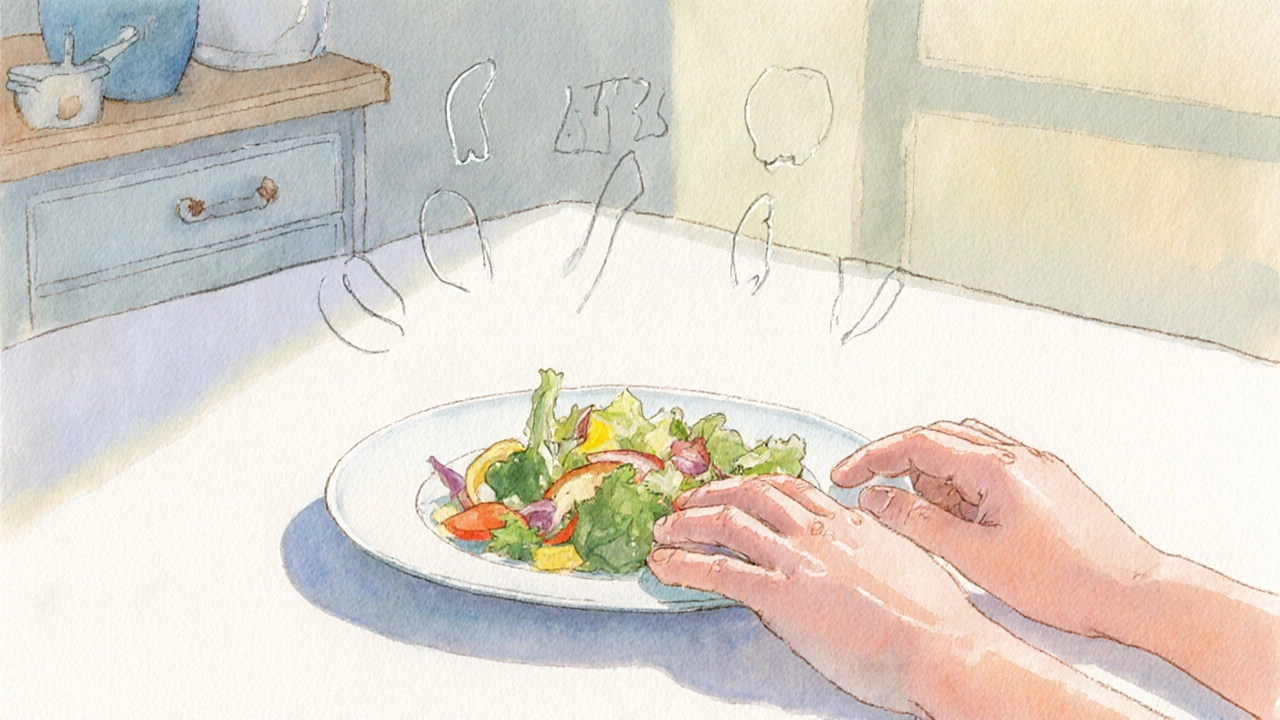
Discover what mindful eating really means, its health benefits, step‑by‑step practices, tips, common pitfalls, and FAQs for everyday use.
Categories
RECENT POSTS

What Is the Most Harmful Product to the Environment?
Single-use plastic is the most harmful product to the environment-not because it's the only polluter, but because it's everywhere, lasts forever, and we've been misled about how to fix it. Learn why it's worse than coal, oil, or fast fashion.

How to Improve Work-Life Balance in 2025
Learn practical, real-world ways to improve work-life balance in 2025-without quitting your job. Set boundaries, protect your time, and reclaim your energy with simple, proven habits.

Can You Use Your US Cell Phone in London? Guide to Connecting Seamlessly Abroad
Curious if your US phone works in London? Learn about roaming, SIM cards, phone compatibility, and data tips to avoid headaches and huge bills abroad.

How to Choose Your Outfit Style: Step-by-Step Guide to Finding Your Personal Look
Stop guessing your look. Use this clear, step-by-step guide to find your outfit style, build a small wardrobe that works, and shop smarter without stress.

What Is One Book Everyone Should Read? The Book That Changes How You Think
Atomic Habits by James Clear is the one book everyone should read because it turns small daily actions into lasting change through science-backed systems, not motivation. It’s practical, simple, and works for anyone.