Kitchen Hygiene: Clean Spaces, Healthier Homes
When we talk about kitchen hygiene, the daily practices that prevent harmful bacteria from spreading in food prep areas. Also known as food safety in the home, it's not about perfection—it's about stopping germs before they make you sick. Your kitchen is where food meets hands, knives, sponges, and countertops. If any of those touch raw meat, eggs, or unwashed produce, you’ve got a potential problem. The CDC says over 48 million people in the U.S. get sick from contaminated food each year. Most of those cases start at home.
It’s not just about washing dishes. cross-contamination, when bacteria from raw food spread to ready-to-eat items is the silent killer. That cutting board you used for chicken and then chopped salad on? That’s a common mistake. Same with sponges—they’re germ factories if you don’t replace them every two weeks or microwave them for a minute to kill bacteria. And don’t forget your fridge. Temperatures above 40°F let salmonella and listeria multiply fast. Keep it cold, clean, and organized.
handwashing, the simplest and most effective step in kitchen hygiene is often skipped. You don’t need fancy soap—just soap and 20 seconds of scrubbing, especially after touching raw meat, using the bathroom, or handling garbage. That’s longer than singing "Happy Birthday" twice. It’s not a suggestion. It’s science. The WHO and FDA both say it’s the #1 way to stop illness at home.
There’s a big difference between clean and sterile. You don’t need bleach on every surface. You need consistent habits: wash hands, separate raw and cooked foods, cook to safe temperatures, chill leftovers fast, and clean surfaces after every use. That’s it. No magic sprays. No expensive gadgets. Just smart, repeatable actions that add up.
What you’ll find below are real, tested tips from people who’ve been there—how to clean a sponge without throwing it out, which kitchen tools harbor the most germs, why your dishcloth might be riskier than your toilet brush, and how to build a kitchen routine that actually sticks. No fluff. No fearmongering. Just what works, day after day, in real homes with real lives.
4 Essential Food Preparation Controls for Safe Meal Prep
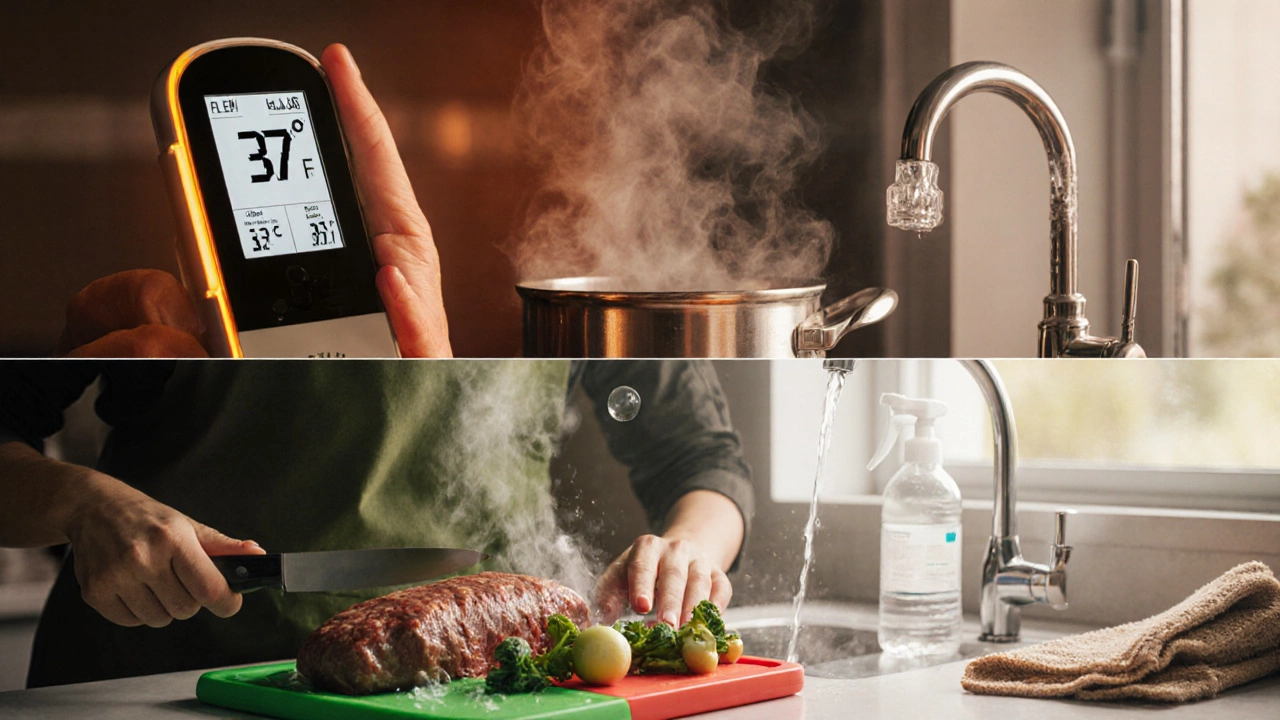
Discover the four key food preparation controls-temperature, cross‑contamination, personal hygiene, and cleaning-to keep meals safe and tasty.
Categories
RECENT POSTS

Unhealthiest Meats: Top 5 Worst Choices for Your Health
Processed meats like bacon and hot dogs are the unhealthiest options due to high sodium, nitrates, and saturated fats. These increase heart disease and cancer risks. Learn why red meat also poses concerns and how to choose healthier alternatives.

How to Till a Garden for the First Time - Step‑by‑Step Guide
A step‑by‑step guide for beginners that explains why tilling matters, how to pick tools, prepare soil, till correctly, and avoid common pitfalls.

Why Minimalists Wear Black: Psychology, Practicality, and Style
Explore why minimalists favor black clothing, from psychological impact to practical benefits, and learn how to build a versatile black capsule wardrobe.

Eco-Friendly Products: How Switching Changes Your Life and the Planet
Switching to eco-friendly products ripples out in powerful ways. Discover real effects on your health, wallet, and the planet—plus stats, tips, and eye-opening facts.

Do Minimalists Believe in God? Exploring Spirituality in Simple Living
Minimalism isn't about rejecting belief-it's about removing noise to find what truly matters. Some minimalists find God. Others find meaning without it. What they share is intention.