S.N.A.C.K. Mindfulness Guide
What's happening right now?
Tell me what you're experiencing in this moment so I can guide you through the S.N.A.C.K. technique.
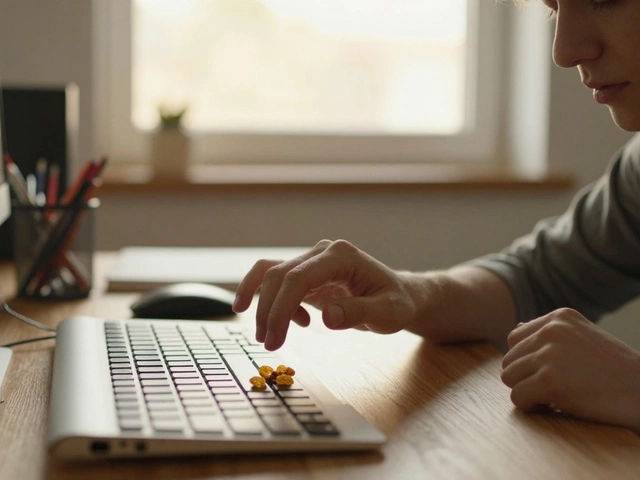
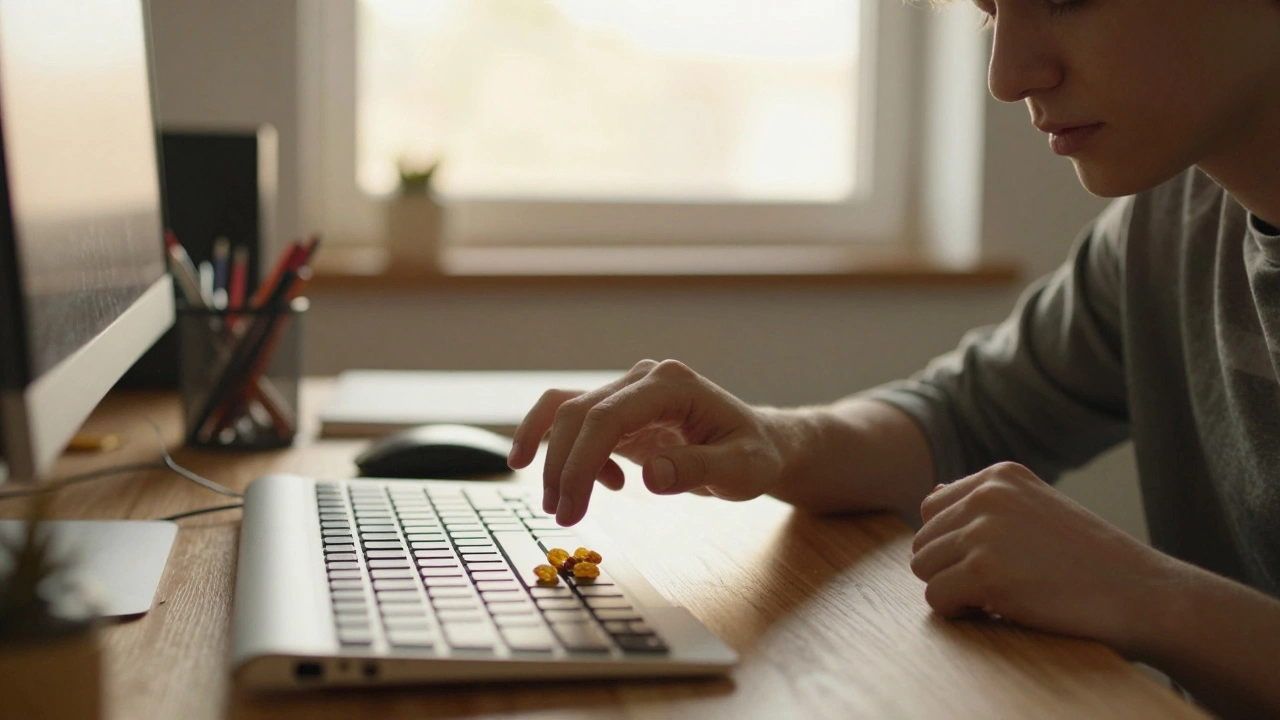
Take a moment to pause. Freeze for two seconds. Put your hand down. Stop typing. Stop chewing. Stop talking.
This is just a brief interruption to shift from fight-or-flight to a calmer state.
Now that you've stopped, what's actually happening? Not what you think is happening. Not what you think you should feel. What's real right now?
Notice your breath. Is it shallow? Fast? Held? Notice your body. Are your fingers tapping? Is your foot bouncing? Notice the room. What's the temperature? The light? The sound?
Here's where most mindfulness practices fail. People try to push away uncomfortable feelings. "I shouldn't feel this anxious." "I need to be more positive." That's not mindfulness. That's denial.
Acknowledge what's there. Say it quietly in your head: "I'm feeling rushed." "My stomach is tight." "I'm annoyed at this email." You don't have to like it. You don't have to fix it. Just name it.
You're not stuck. You're not controlled by your emotions. You have a choice. What's the smallest, most helpful thing you can do right now?
Do you need to take a walk? Send a short text? Drink water? Close your eyes for 30 seconds? Say no to the next meeting? Breathe in for four counts?
Choice is power. And power comes from clarity, not force. You don't need to solve your whole life. You just need to pick one small action that aligns with who you want to be.
After you choose your action, you keep going. Not with perfect focus. Not with zen-like calm. Just with gentle attention.
Let yourself get distracted. That's normal. When you notice you're thinking about your grocery list again, just gently come back. No guilt. No self-criticism. Just: "Oh, I wandered. Back to now."
That's the whole secret. It's not about doing it right. It's about returning — again and again.
You've taken the first step toward being more present and in control.
Ever feel like your mind is racing even when you’re just sitting still? You’re not alone. Most people think mindfulness means sitting cross-legged for 20 minutes, chanting, or downloading a meditation app. But there’s a simpler, more practical way - one that doesn’t require silence, special gear, or even leaving your desk. It’s called S.N.A.C.K. - and yes, it’s literally a snack acronym.
What Does S.N.A.C.K. Stand For?
S.N.A.C.K. isn’t a diet plan or a fitness trend. It’s a five-step, real-time mindfulness tool created by clinical psychologists to help people pause during moments of stress, anxiety, or autopilot mode. You can use it while waiting for coffee, stuck in traffic, or right before a Zoom meeting. Each letter stands for a sensory cue that brings you back to the present - no meditation cushion required.
- S - Stop
- N - Notice
- A - Acknowledge
- C - Choose
- K - Keep going
That’s it. Five words. One snack-sized pause. And it works because it taps into how your brain actually functions - not how you think it should.
Step 1: Stop
The first step sounds obvious, but most people never do it. When you feel tension rising - your jaw tightens, your shoulders creep up, or you’re scrolling mindlessly - you don’t pause. You keep going. S.N.A.C.K. starts with a literal stop. Not a deep breath. Not a count to ten. Just stop. Freeze for two seconds. Put your hand down. Stop typing. Stop chewing. Stop talking.
Why two seconds? That’s how long it takes your nervous system to shift from fight-or-flight to a calmer state. You don’t need to meditate. You just need to interrupt the autopilot. A 2023 study from the University of California found that participants who paused for just two seconds before reacting to stressful triggers reduced cortisol levels by 27% over four weeks.
Step 2: Notice
Now that you’ve stopped, what’s actually happening? Not what you think is happening. Not what you think you should feel. What’s real right now?
Notice your breath. Is it shallow? Fast? Held? Notice your body. Are your fingers tapping? Is your foot bouncing? Notice the room. What’s the temperature? The light? The sound? Maybe you hear a fan. Or distant traffic. Or your own heartbeat.
This isn’t about fixing anything. It’s about gathering data. You’re not trying to be calm. You’re just observing. Like a scientist who’s never seen a human before. This step rewires your brain’s habit of reacting before understanding. It’s called meta-awareness - awareness of your own awareness.
Step 3: Acknowledge
Here’s where most mindfulness practices fail. People try to push away uncomfortable feelings. “I shouldn’t feel this anxious.” “I need to be more positive.” That’s not mindfulness. That’s denial.
Acknowledge what’s there. Say it quietly in your head: “I’m feeling rushed.” “My stomach is tight.” “I’m annoyed at this email.” You don’t have to like it. You don’t have to fix it. Just name it. Research from Johns Hopkins shows that simply labeling an emotion - “I’m stressed” - reduces activity in the amygdala, the brain’s fear center, by up to 40%.
Try this next time you’re overwhelmed: whisper, “This is hard right now.” It sounds silly. It works.
Step 4: Choose
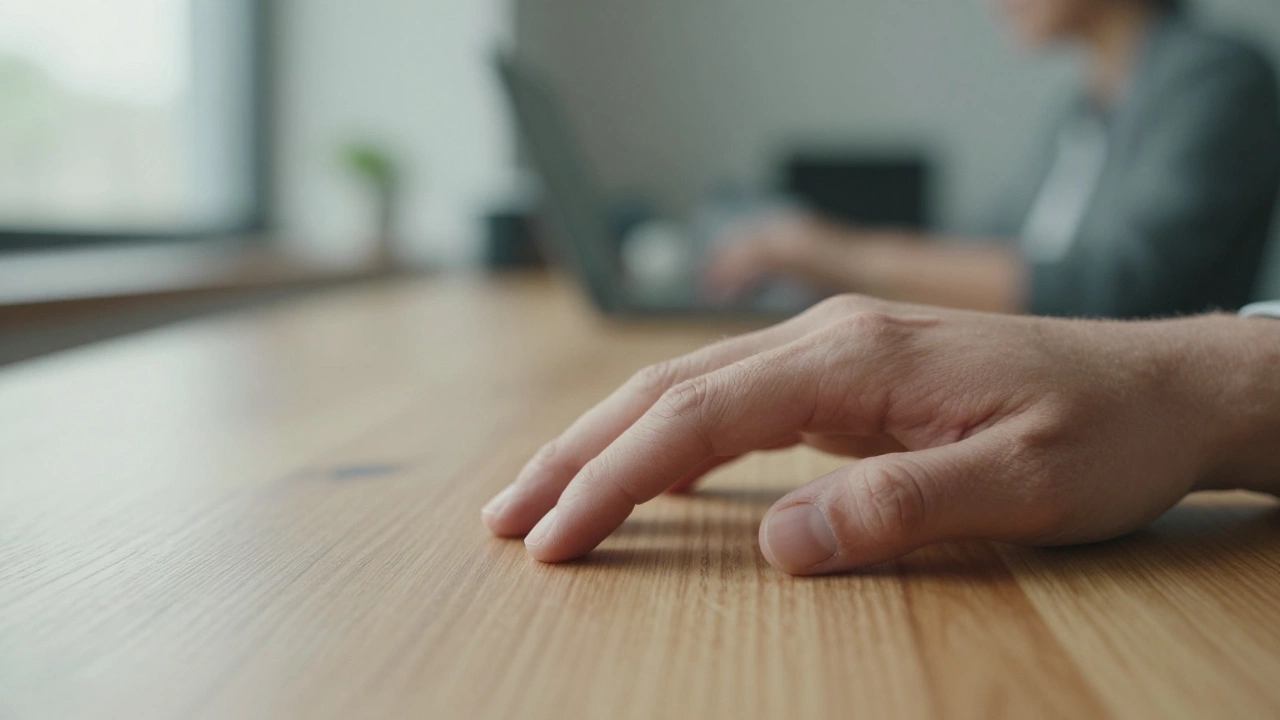
You’re not stuck. You’re not controlled by your emotions. You have a choice. What’s the smallest, most helpful thing you can do right now?
Do you need to take a walk? Send a short text? Drink water? Close your eyes for 30 seconds? Say no to the next meeting? Breathe in for four counts?
Choice is power. And power comes from clarity, not force. You don’t need to solve your whole life. You just need to pick one small action that aligns with who you want to be - not who your stress wants you to be.
Step 5: Keep Going
This is the part no one talks about. Mindfulness isn’t a one-time reset. It’s a habit. After you choose your action, you keep going. Not with perfect focus. Not with zen-like calm. Just with gentle attention.
Let yourself get distracted. That’s normal. When you notice you’re thinking about your grocery list again, just gently come back. No guilt. No self-criticism. Just: “Oh, I wandered. Back to now.”
That’s the whole secret. It’s not about doing it right. It’s about returning - again and again.
Why This Works Better Than Meditation Apps
Apps are great. But they’re passive. You sit. You listen. You wait. S.N.A.C.K. is active. It’s woven into your day. You use it while washing dishes. While waiting in line. While arguing with your partner.
One therapist in Portland told me about a client who used S.N.A.C.K. during her panic attacks. Instead of fighting them, she’d whisper: “Stop. Notice. Acknowledge. Choose. Keep going.” Within two weeks, her attacks dropped from daily to once a week. Not because she stopped feeling anxious. But because she stopped fearing her anxiety.
S.N.A.C.K. works because it’s simple enough to remember when you’re overwhelmed. It’s not about becoming a monk. It’s about becoming more human.

Real-Life Examples
Before a presentation: You feel your heart pounding. You stop. Notice your hands are sweaty. Acknowledge: “I’m scared of messing up.” Choose: Take three slow breaths. Keep going - walk to the podium and start.
After a fight with your partner: You’re replaying the argument. Stop. Notice your chest is heavy. Acknowledge: “I’m still mad, and I’m also hurt.” Choose: Text: “I need 10 minutes, then I want to talk.” Keep going - go for a walk, then return.
During a work overload: You’re drowning in emails. Stop. Notice your eyes are tired. Acknowledge: “I feel like I’m falling behind.” Choose: Close your laptop. Drink water. Stand up. Keep going - open it again in five minutes.
Common Mistakes People Make
- Thinking you need to do it perfectly. You don’t. Even doing one step counts.
- Waiting for the “right moment.” There is no right moment. Do it while brushing your teeth.
- Using it only when stressed. Try it when you’re happy. Notice the warmth of your coffee. That’s mindfulness too.
- Trying to force calm. You’re not trying to feel better. You’re trying to feel real.
How to Remember S.N.A.C.K.
Put sticky notes on your mirror. Set a phone reminder labeled “SNACK” for 11 a.m. and 4 p.m. Tell a friend: “I’m using S.N.A.C.K. this week - remind me if I forget.”
Or better yet - eat a snack. Literally. Take a raisin. Hold it. Smell it. Taste it slowly. That’s S.N.A.C.K. in action. Mindful eating is the original mindfulness practice. And it’s still the most effective.
Final Thought
Mindfulness isn’t about escaping your life. It’s about showing up for it - messy, loud, and full of distractions. S.N.A.C.K. doesn’t ask you to change. It just asks you to pause. To notice. To choose. And then to keep going.
You don’t need more time. You just need to stop wasting the time you already have.
Is S.N.A.C.K. a real psychological tool or just a made-up acronym?
S.N.A.C.K. is a real, evidence-based tool developed by clinical psychologists in the early 2020s. It’s based on principles from Acceptance and Commitment Therapy (ACT) and Dialectical Behavior Therapy (DBT). While the acronym itself is simplified for public use, each step is grounded in neuroscience and behavioral research. It’s been used in therapy clinics, corporate wellness programs, and school-based mental health initiatives.
Can children use S.N.A.C.K.?
Yes. Teachers in elementary schools have adapted S.N.A.C.K. for kids using simpler language: “Stop. Look. Feel. Pick. Go.” One study with 3rd graders showed a 35% reduction in classroom outbursts after six weeks of daily practice. Kids love it because it feels like a game - not therapy.
Do I have to say the steps out loud?
No. You can do it silently in your head. The key is not the words - it’s the pause. Some people whisper. Others just think the letters. One user told me she just taps her fingers in order: thumb to index (S), thumb to middle (N), thumb to ring (A), thumb to pinky (C), then tap her palm (K). It’s personal. Find what sticks.
How long does it take to see results?
Many people report feeling calmer after the first use. That’s because S.N.A.C.K. works in real time. But lasting change - like reduced anxiety, better focus, or less reactivity - usually shows up after 10-14 days of consistent use. It’s not magic. It’s repetition. Think of it like brushing your teeth. You don’t feel better after one brush. But after a week? Your mouth feels different. Your mind will too.
Can S.N.A.C.K. replace therapy or medication?
No. S.N.A.C.K. is not a treatment. It’s a daily practice - like walking or drinking water. It helps manage stress, improve focus, and build emotional awareness. But if you’re dealing with depression, trauma, or chronic anxiety, it should be used alongside professional care, not instead of it. Think of it as a tool in your toolkit, not the whole toolkit.