Mindful Eating Benefits: How Slowing Down Transforms Your Health
When you eat with full attention—really tasting, chewing, and noticing how food makes you feel—you’re practicing mindful eating, a practice of paying full attention to the experience of eating and drinking, without distraction. Also known as conscious eating, it’s not a diet. It’s a way of reconnecting with your body’s natural signals so you eat when you’re hungry and stop when you’re full. Most people don’t realize how much eating is done on autopilot: scrolling while snacking, eating in the car, or finishing a meal without remembering any of it. That’s where the real cost shows up—in bloating, guilt, overeating, and even weight gain that doesn’t make sense.
Mindful eating isn’t about perfection. It’s about awareness. When you slow down, you give your brain time to catch up with your stomach. It takes about 20 minutes for fullness signals to reach your brain. If you’re wolfing down food in five, you’ll keep eating past the point of satisfaction. Studies show that people who eat slowly consume fewer calories and feel more satisfied afterward. And it’s not just about portion control. stress reduction, the ability to lower cortisol levels through focused, calm eating plays a huge role. When you’re anxious or rushed, your body stays in fight-or-flight mode, which shuts down digestion. That’s why people with digestive issues often see improvement just by eating without screens or stress.
There’s also a quiet revolution happening around emotional eating, using food to cope with feelings like boredom, sadness, or loneliness. Mindful eating helps you spot the difference between physical hunger and emotional hunger. Instead of reaching for cookies when you’re upset, you learn to pause, breathe, and ask: Am I actually hungry? Or am I trying to fill an empty space? This shift doesn’t require willpower. It just requires noticing. And once you start noticing, you start making different choices—naturally.
You don’t need to meditate for an hour or give up your favorite foods. Just try eating one meal a day without distractions. Put your phone away. Chew slowly. Notice the texture, the temperature, the flavor. That’s it. These small moments add up. The posts below show you exactly how to start, what science says about the results, and how to make it stick without adding more pressure to your day. You’ll find real-life tips from people who’ve done this—not just theory, but what actually works in messy, busy, real life.
What Is Mindful Eating? A Simple Guide to Eating With Awareness
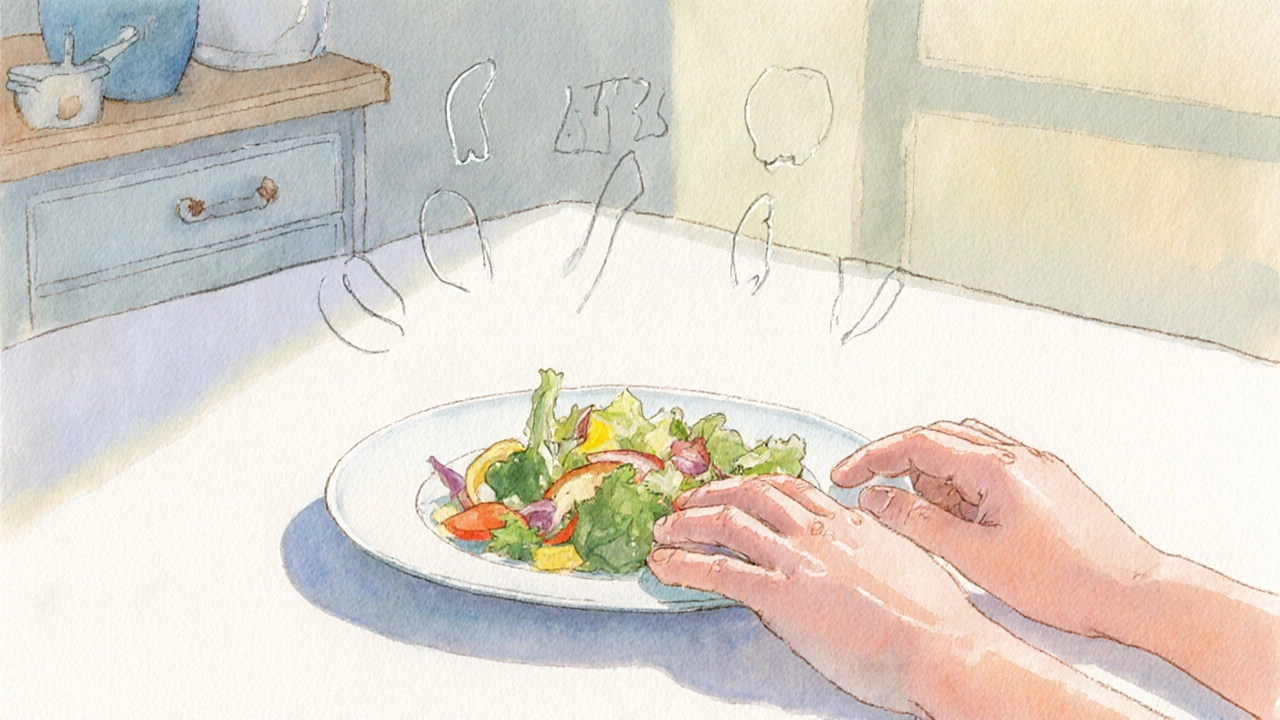
Discover what mindful eating really means, its health benefits, step‑by‑step practices, tips, common pitfalls, and FAQs for everyday use.
Categories
RECENT POSTS

Why Minimalists Wear Black: Psychology, Practicality, and Style
Explore why minimalists favor black clothing, from psychological impact to practical benefits, and learn how to build a versatile black capsule wardrobe.

Can You Plant Tomatoes and Peppers Together? Pros, Cons, and Tips for Better Harvests
Wondering if tomatoes and peppers can share a garden bed? Discover the science, pros, cons, and proven tips to make these popular veggies thrive side by side.

Mindfulness Practices Explained: Types, Benefits, and How to Get Started
Learn what mindfulness practices are, explore popular techniques, uncover health benefits, and get a step‑by‑step guide to start your own routine.

Is The Alchemist a Self‑Help Book? Explained
Explore whether Paulo Coelho's The Alchemist qualifies as a self‑help book, compare its themes to classic self‑help guides, and learn how to use the novel for personal growth.

How to Choose the First Room to Declutter - Proven Home Organization Tips
Discover how to pick the first room to declutter for maximum impact, using a simple scorecard, quick‑win tips, and a step‑by‑step plan that keeps momentum flowing.