Mindful Eating Tips: Simple Ways to Eat Better and Feel Fuller
When you eat without thinking, you’re not just consuming food—you’re chasing distractions. Mindful eating, the practice of paying full attention to your food, your hunger, and your body’s signals. It’s not a diet. It’s not about cutting calories. It’s about reconnecting with the simple act of eating so you actually feel satisfied. Most people eat on autopilot: scrolling while chewing, snacking while working, gulping down meals between meetings. That’s not eating. That’s fueling. And it leaves you tired, hungry again too soon, and often guilty.
Stress eating, using food to calm anxiety or boredom, is the opposite of mindful eating. It’s why you finish a whole bag of chips without tasting them. Eating habits, the routines you build around meals matter more than what’s on your plate. Slow down. Chew. Notice the texture. Ask yourself: Am I hungry, or just bored? This isn’t about perfection. It’s about awareness. A 2021 study from the University of California found that people who practiced mindful eating for just eight weeks reduced emotional eating by 40% and lost weight without trying.
You don’t need to meditate for an hour before dinner. Start with one bite. Put your fork down between bites. Drink water before you eat. Turn off the screen. Eat at a table, not your couch. These small shifts rewire how your brain responds to food. Over time, you’ll crave less junk, feel fuller with less, and stop using food as an emotional bandage. This is the quiet revolution in how we eat—no supplements, no detoxes, no expensive apps. Just presence.
What you’ll find below are real, tested tips from people who stopped feeling out of control around food. No fluff. No theory. Just what works: how to stop overeating at night, how to tell real hunger from cravings, why chewing slowly changes your appetite, and how to eat without guilt. These aren’t perfect lives. They’re real ones. And they’re all built on one simple idea: eat like you mean it.
What Is Mindful Eating? A Simple Guide to Eating With Awareness
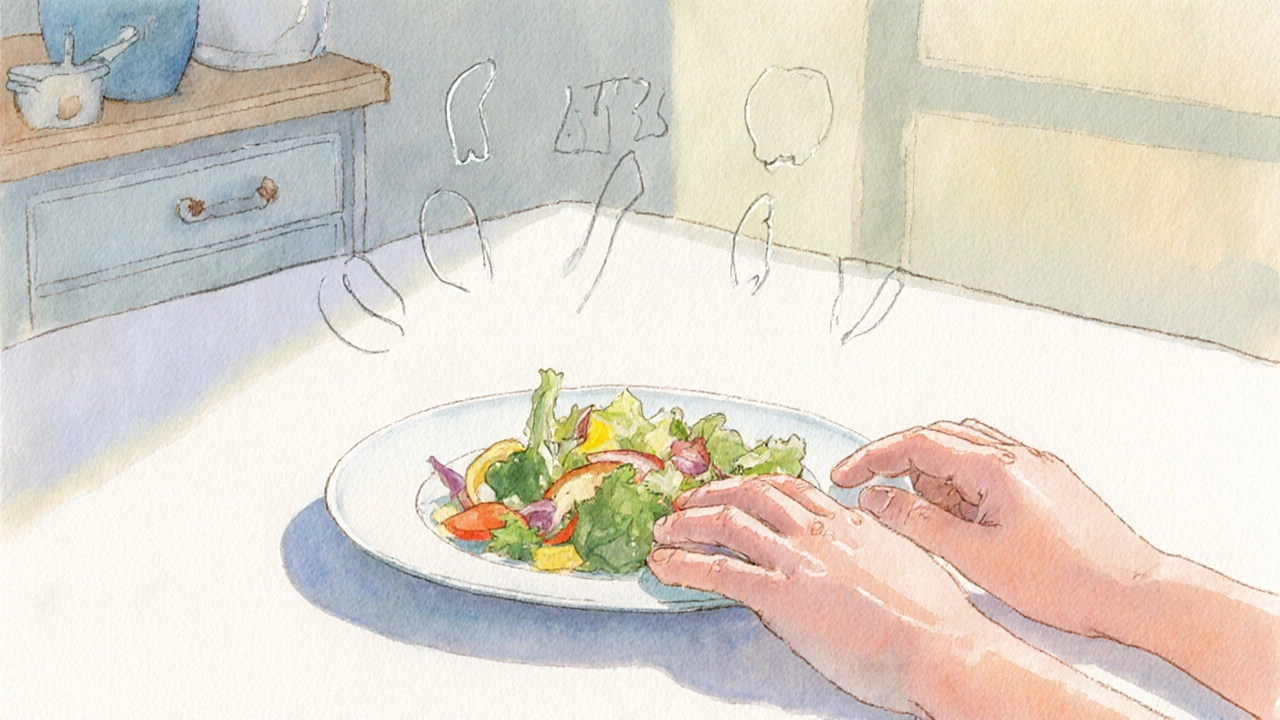
Discover what mindful eating really means, its health benefits, step‑by‑step practices, tips, common pitfalls, and FAQs for everyday use.
Categories
RECENT POSTS
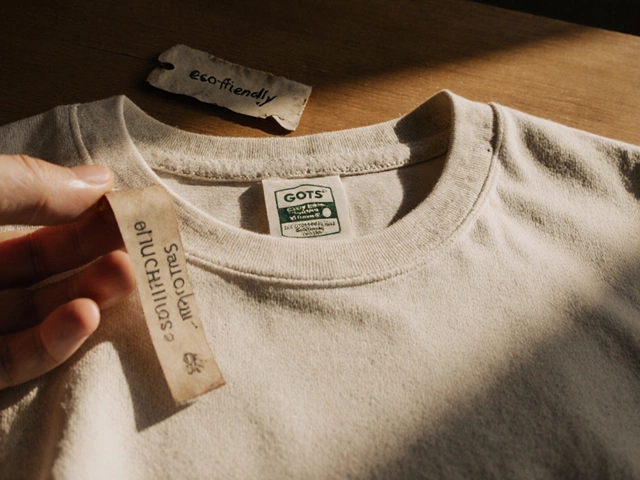
How to Tell If a Fashion Brand Is Truly Sustainable
Learn how to spot real sustainable fashion brands-not just greenwashing. Check certifications, labor practices, materials, and transparency to make smarter, longer-lasting clothing choices.

How to Till a Garden for the First Time - Step‑by‑Step Guide
A step‑by‑step guide for beginners that explains why tilling matters, how to pick tools, prepare soil, till correctly, and avoid common pitfalls.

Why Do People Struggle with Work-Life Balance?
People struggle with work-life balance because of constant connectivity, unrealistic work demands, and the myth that burnout equals dedication. It's not about time management - it's about broken systems and personal boundaries.

What Is the Best Work-Life Balance? Real Strategies That Actually Work
Work-life balance isn’t about equal hours-it’s about control, energy, and protecting what matters. Real strategies that work for real people, not slogans.

How to Find Clothes That Suit You: Style Guide for 2026
Discover how to identify which clothes truly suit your unique features. We explore body shapes, color undertones, and fabric choices to help you build a confident wardrobe.