Decluttering Time Estimator
Calculate how long it will take to declutter your home based on the rooms you select and your clutter level.
Bathroom: 20 minutes | Bedroom: 45 minutes | Kitchen: 45 minutes | Living room: 45 minutes | Home office: 30 minutes | Laundry room: 20 minutes | Garage: 30 minutes
Total time increases by 50% for high clutter level
Most people feel overwhelmed when they think about decluttering their whole house. But you don’t need to spend weeks sorting through boxes or hire a professional to get real results. You can clear out the mess in every room-fast-if you know where to start and how to keep moving. The key isn’t perfection. It’s momentum.
Start with the easiest room
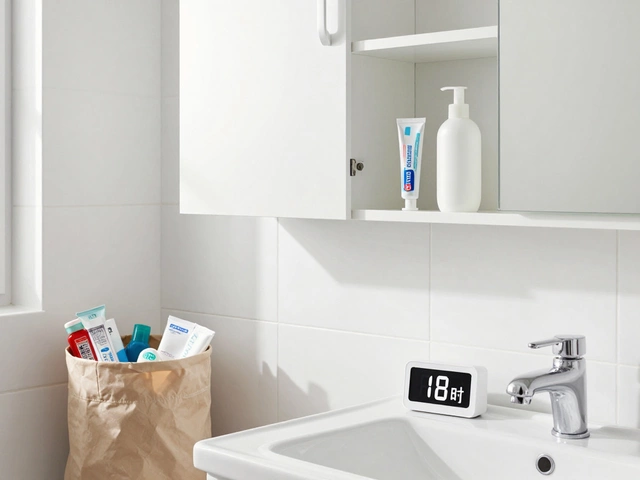
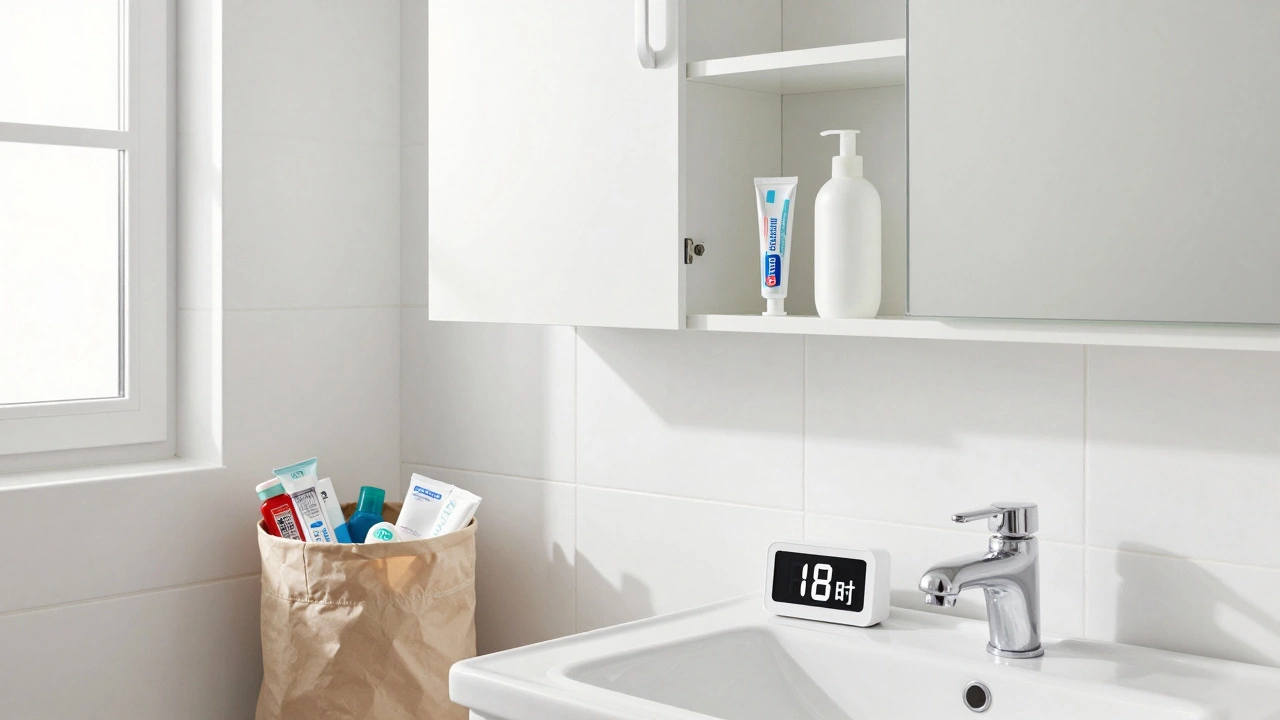
Don’t begin with the basement or the attic. Those are traps. Start with the bathroom. It’s small, contains mostly one type of stuff, and gives you instant wins. Empty every cabinet and drawer. Keep only what you use: one tube of toothpaste, one bottle of shampoo, the meds you actually take. Toss expired products. Donate unopened items you bought on impulse. You’ll be done in 20 minutes-and you’ll feel like you’ve already won.
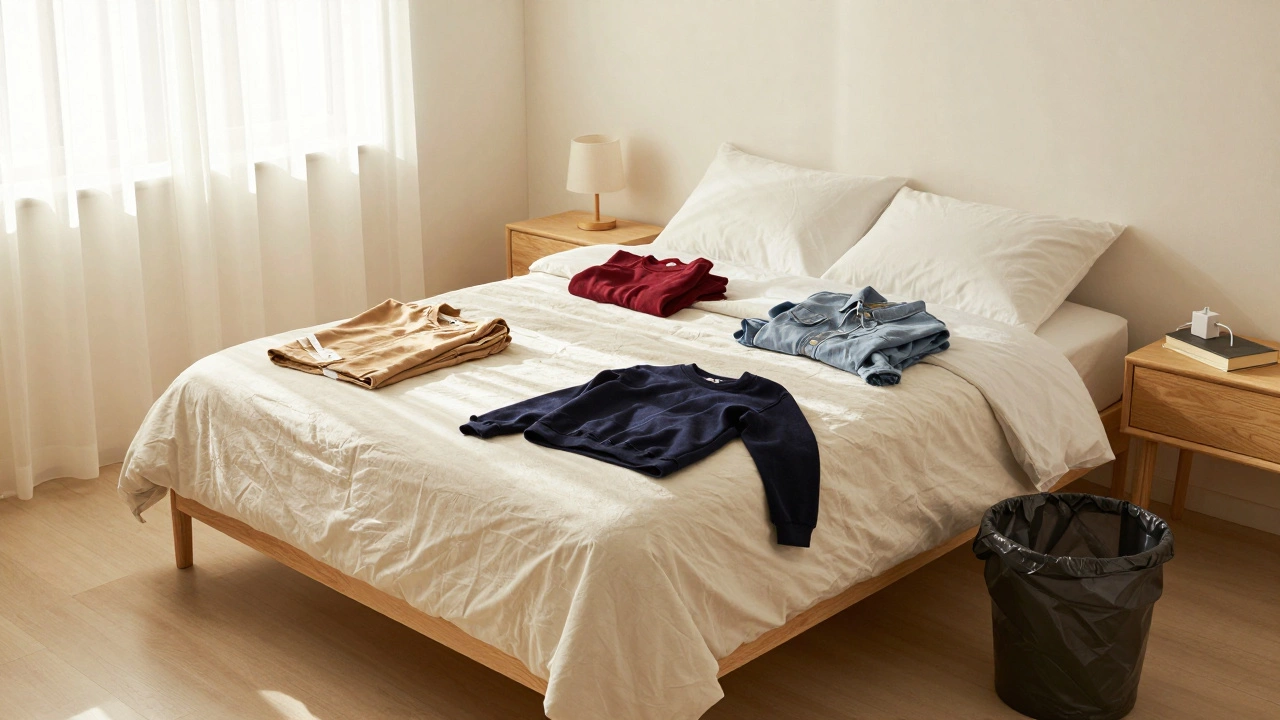
That momentum carries over. Now move to the bedroom. Clear off the floor. Put clothes on the bed in three piles: keep, donate, trash. If you haven’t worn it in a year, it’s going. Same with shoes. If they’re uncomfortable or broken, they’re trash. Bedsides tables? One lamp, one book, one charger. That’s it. No more stacks of magazines or random cords. You’ll clear this room in under 45 minutes.
Kitchen: Focus on duplicates and expired stuff
The kitchen is where clutter hides in plain sight. Pull out every drawer and cabinet. Look for duplicates: three spatulas, five measuring cups, three coffee makers. Keep one of each-unless you cook professionally. Then check expiration dates. That jar of spices from 2021? Toss it. Old condiments? If it’s been open longer than a year, it’s not helping you. Same with canned goods. If the label is faded and you can’t remember what’s inside, it’s going.
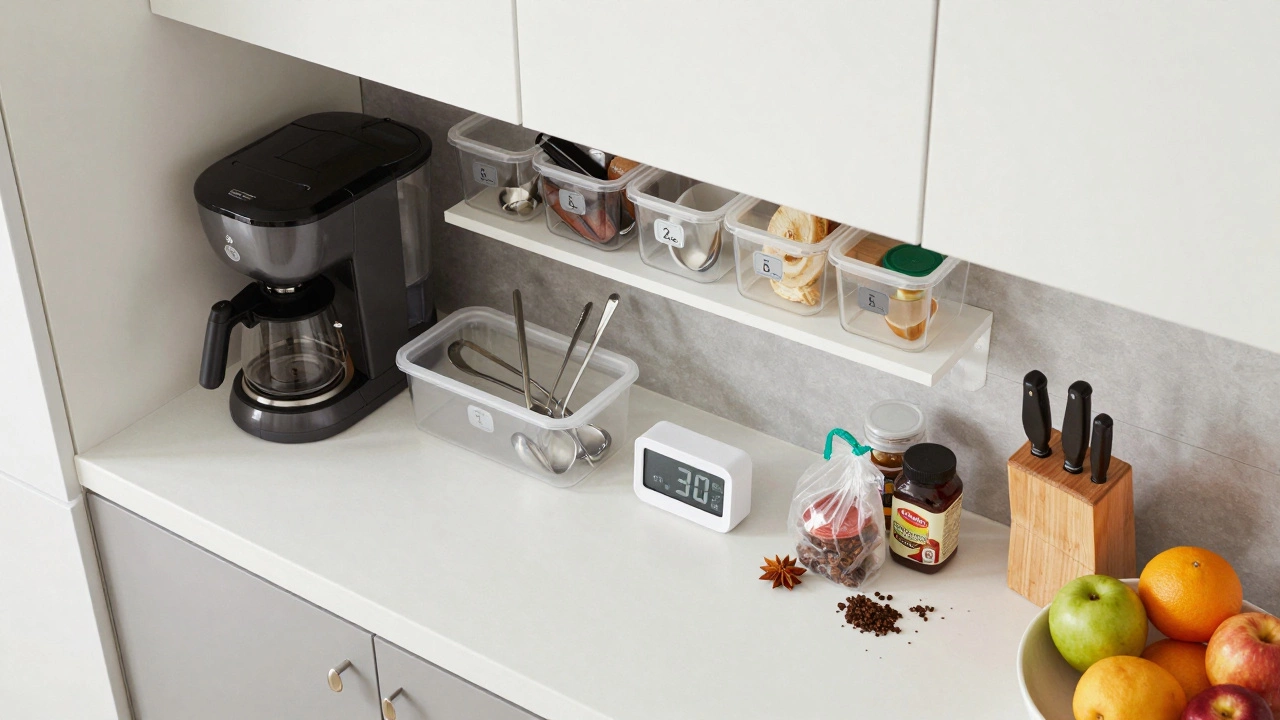
Next, deal with the countertop. Only leave out what you use daily: a coffee maker, a knife block, maybe a fruit bowl. Everything else goes in a cabinet. Even your toaster. If you only use it once a week, it doesn’t need to be out. Clearing the counter alone makes the kitchen feel 50% bigger.
Living room: Remove anything that doesn’t serve a purpose
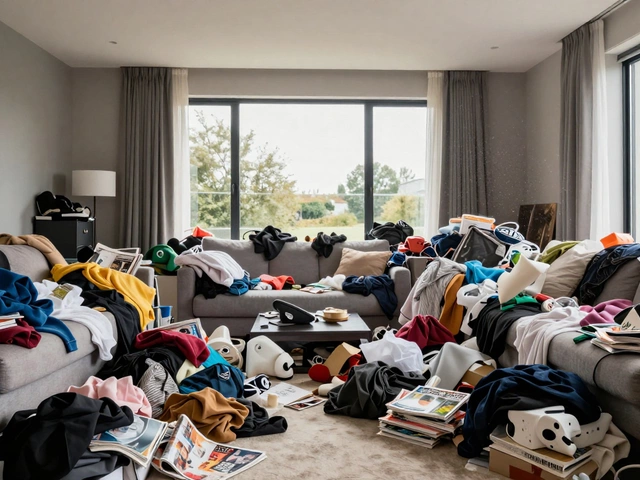
Look around your living room. What’s on the coffee table? Magazines you haven’t read in months? Remote controls you can’t find? Kids’ toys left behind? Those aren’t decor-they’re clutter. Put the remotes in a basket. Put the toys in a bin under the couch. Donate old books you’ll never reread. If a piece of decor doesn’t spark joy or serve a function, it’s taking up space that could be clean.
Check behind the TV. That tangle of cords? Label them with masking tape. Bundle them with zip ties. Unplug everything you don’t use daily. A power strip with just three plugs is enough. If you have a media cabinet, keep only the essentials: one streaming device, one game console, one DVD player if you still use DVDs. Everything else goes in a box labeled "storage" and gets tucked away.
Home office or workspace: Less is more
Even if you don’t work from home, you probably have a corner with paper, pens, old bills, and a printer that hasn’t worked since 2020. Start by emptying the desk. Keep only your laptop, one notebook, one pen, and your charger. Everything else goes in a drawer or a file box.
Sort papers into three piles: action, file, shred. Action means: pay this bill, call this person, sign this form. File means: tax records, warranties, medical documents. Shred means: old receipts, junk mail, expired coupons. If you’re unsure about a document, scan it and delete the paper. Most banks and insurers let you access statements online now.
Get rid of the printer if you print less than once a week. Use a local print shop instead. That frees up a whole shelf. And if you have old cables, chargers, or gadgets you haven’t used in two years? Put them in a box. If you haven’t missed them in six months, donate or recycle them.
Laundry room and closets: One shelf, one rack, one rule
Laundry rooms turn into catch-alls. Folded clothes on the counter? Dirty socks on the floor? Clean clothes still in the dryer? Fix it. Assign one shelf for detergent and fabric softener. One hook for the iron. One basket for socks. That’s it. Everything else goes in the washer or dryer.
For closets-clothing, linen, storage-use the one-in, one-out rule. Every time you buy a new shirt, donate one. Every time you get new towels, toss the old ones if they’re thin or stained. Use slim hangers to save space. Put off-season clothes in under-bed bins or high shelves. If you haven’t worn it since last winter, it’s time to let it go.
Garage, basement, attic: The 30-minute rule
These spaces are where clutter goes to die. Don’t try to clean them all at once. Set a timer for 30 minutes. Pick one corner. Pull out one box. Ask: did I use this in the last year? If no, toss it or donate it. If yes, put it in a labeled bin and put it back. Repeat. Don’t sort. Don’t organize. Just decide: keep or go.
Use clear bins with labels. No more "miscellaneous" boxes. If you can’t see what’s inside, you won’t use it. And if you’re holding onto something "just in case," ask: what’s the worst that happens if I don’t have it? Nine times out of ten, the answer is: nothing.
What to do after you’re done
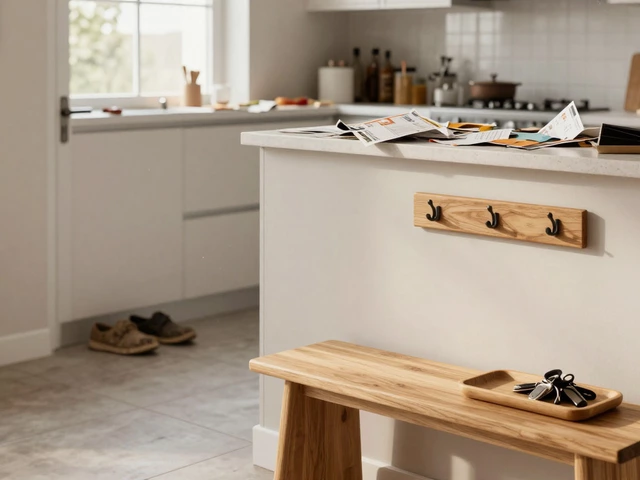
Decluttering fast isn’t about creating a museum. It’s about making your home easier to live in. After you finish, set up one daily habit: spend five minutes putting things back where they belong. Put your keys on the hook. Put your coffee mug in the cabinet. Put your jacket on the rack.
Do a quick weekly sweep: check one drawer, one shelf, one corner. If it’s getting messy, you’ll catch it before it becomes a problem. And if you feel the urge to buy something new, wait 48 hours. Nine times out of ten, you’ll realize you don’t need it.
Clutter doesn’t come back overnight. But it comes back fast if you don’t keep the habit. The goal isn’t to have a perfect house. It’s to have a house that doesn’t stress you out.
How long does it take to declutter a whole house?
You can declutter every room in your house in under 8 hours if you work in focused 30- to 45-minute blocks. Start with the easiest room, move to the hardest last. Most people finish in a single weekend. The key is consistency, not marathon sessions.
What should I do with things I’m unsure about?
Put those items in a box labeled "Maybe." Seal it and store it out of the way. Give yourself 30 days. If you haven’t reached for anything in that box, donate or recycle it. Most people never open the box again.
Can I declutter without throwing anything away?
You can donate, sell, or recycle almost everything. But if an item is broken, stained, expired, or useless, it’s not helping your space. Holding onto it just creates more work later. Letting go isn’t wasteful-it’s practical.
What’s the fastest way to declutter a closet?
Take everything out. Put on one hanger for every item you keep. If you have more than 30 items on hangers, you have too many. Donate the rest. For drawers, use the one-year rule: if you haven’t worn it in 12 months, let it go. This method cuts closet clutter by 60% in under an hour.
Do I need special tools or containers to declutter?
No. Use what you have: cardboard boxes, laundry baskets, old bins, zip ties, masking tape. You don’t need fancy organizers. The real tool is your decision-making. Once you know what to keep, you can store it in anything.