Mindfulness Benefits: How Daily Practice Improves Mental Health and Daily Life
When you practice mindfulness, a mental training technique that brings awareness to the present moment without judgment. Also known as present-moment awareness, it’s not about emptying your mind—it’s about noticing what’s already there. You’re not meditating to become a monk. You’re doing it because your brain is tired, your thoughts are loud, and you just want to breathe without thinking about tomorrow’s to-do list.
Mindfulness practices, simple exercises like focused breathing, body scans, or walking with full attention. Also known as awareness training, they don’t need special equipment, apps, or silence. You can do them while waiting for your coffee, walking to the bus, or sitting in traffic. These aren’t mystical rituals—they’re mental resets. And they work. Studies show people who practice regularly report lower stress, better sleep, and less emotional reactivity. It’s not magic. It’s repetition. Your brain learns to pause before it panics.
What ties all this together? Mental wellness, a state where you can handle life’s ups and downs without falling apart. Also known as emotional resilience, it’s not something you’re born with—it’s built. You build it by noticing when you’re spiraling, by taking a breath before snapping at someone, by realizing you’re not your thoughts. The posts below show you how this shows up in real life: how mindful eating helps you stop overeating, how mindful walking turns your commute into peace, how mindful dressing helps you choose clothes that actually make you feel good—not just what’s trendy.
You won’t find fluff here. No vague advice like "just be present." You’ll find real examples: how someone reduced anxiety by doing a 3-minute breath check before checking their phone. How a parent stopped yelling by noticing their body tighten first. How a worker stopped burnout by pausing for 10 seconds between tasks. These aren’t hypotheticals. They’re habits people built using the same tools you can use today.
And you don’t need to do it perfectly. You don’t need to sit cross-legged for an hour. You just need to notice—once—when you’re on autopilot. That one moment is the start. Everything else builds from there. The articles below cover exactly how to begin, how to stick with it, and how to make mindfulness fit into your messy, busy, real life—not some perfect Instagram version of it.
How Many Minutes a Day Should You Practice Mindfulness?

You don't need hours to practice mindfulness. Just five minutes a day can reduce stress, improve focus, and help you respond instead of react. Science backs this simple habit.
3 Key Benefits of Practicing Mindfulness
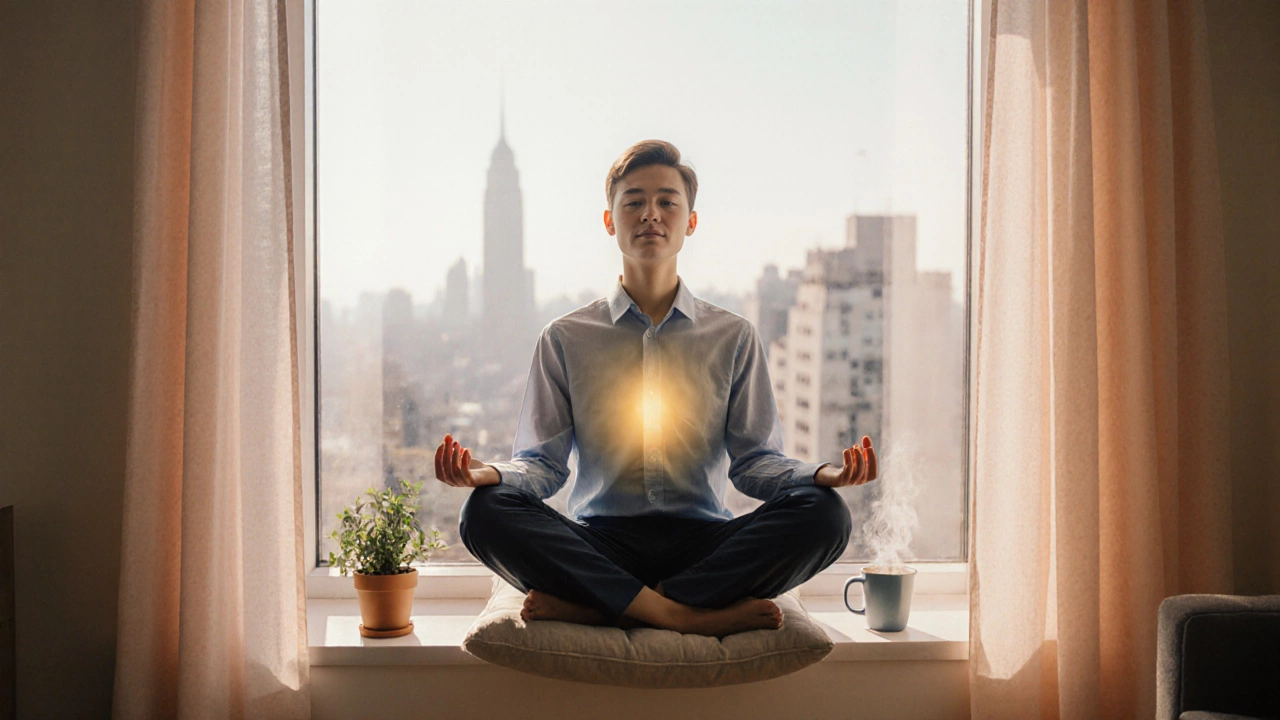
Discover three powerful ways mindfulness can lower stress, sharpen focus, and boost emotional wellbeing, backed by science and real‑life tips.
Categories
RECENT POSTS

Realistic Work-Life Balance: Proven Strategies for Healthy Living and Productivity
Tired of endless work emails at midnight? Discover how to set real boundaries and build a work-life balance that actually sticks. Find tips, real-life strategies, and fresh data inside.

What Is the Most Common Dinner Around the World?
Rice is the most common dinner food worldwide, forming the base of meals across cultures. Learn why it dominates global plates and how to make it healthier with simple swaps and balanced additions.

What Falls Under Mental Wellbeing? A Simple Breakdown of Key Areas
Mental wellbeing includes emotional health, stress management, connection, self-care, purpose, movement, boundaries, and self-compassion. It's not about being perfect-it's about showing up for yourself daily.

How to Feed Yourself on $50 a Week with Healthy Meals
Learn how to eat healthy, filling meals on just $50 a week in New Zealand with simple, affordable ingredients like oats, lentils, eggs, and seasonal veggies. No fancy diets - just smart shopping and smart cooking.

Life-Changing Books: Stories That Shape Who We Become
Explore how a single book can change your life. Discover stories, research, and top tips for finding the book that could spark your next big transformation.