Poreless Skin: How to Achieve a Smooth, Flawless Complexion
When we talk about poreless skin, a smooth, even skin texture that appears refined and minimized in pore visibility. Also known as flawless complexion, it’s not about filters or heavy makeup—it’s about consistent care that supports your skin’s natural structure. Pore size is largely genetic, but what you see on the surface—clogged pores, oiliness, or rough texture—is often caused by lifestyle, products, and routine. The goal isn’t to make pores disappear, but to make them look smaller by keeping them clean, hydrated, and free of buildup.
What really affects how your pores appear is skin texture, the surface quality of your skin, including smoothness, roughness, and evenness. If your skin feels bumpy or looks dull, pores can appear larger because they’re surrounded by uneven terrain. Then there’s skincare routine, the sequence of steps you use daily to cleanse, treat, and protect your skin. A messy routine—like skipping cleansers, over-exfoliating, or layering too many heavy creams—can clog pores and make them look more obvious. And don’t forget skin care products, the actual items you apply, from serums to moisturizers, that deliver active ingredients. Not all are created equal. Some hydrate, some exfoliate, some regulate oil—choosing the right ones matters more than buying the most expensive bottle.
There’s no magic potion, but science backs a few simple moves: clean your skin twice a day, use gentle exfoliants like salicylic acid a few times a week, avoid heavy oils if you’re prone to congestion, and always wear sunscreen. Sun damage thickens the skin around pores, making them look wider. That’s why so many people see improvement after switching to daily SPF. You don’t need 10 steps. You need the right three or four, done regularly.
What you’ll find in the posts below aren’t flashy trends or influencer hacks. These are real, practical guides on how to build a routine that actually works. From the exact order of steps to pick the best products for your skin type, to how to avoid common mistakes that make pores look worse—everything here is based on what’s been tested, what’s backed by data, and what people actually use successfully. No fluff. No overpromising. Just clear, doable advice that helps you get closer to the smooth, even skin you want.
How to Achieve Poreless Glass Skin - Step‑by‑Step Routine

Learn the step‑by‑step routine, key ingredients, and lifestyle tips to achieve a poreless, glass‑skin finish. Includes product comparisons and a FAQ for lasting results.
Categories
RECENT POSTS
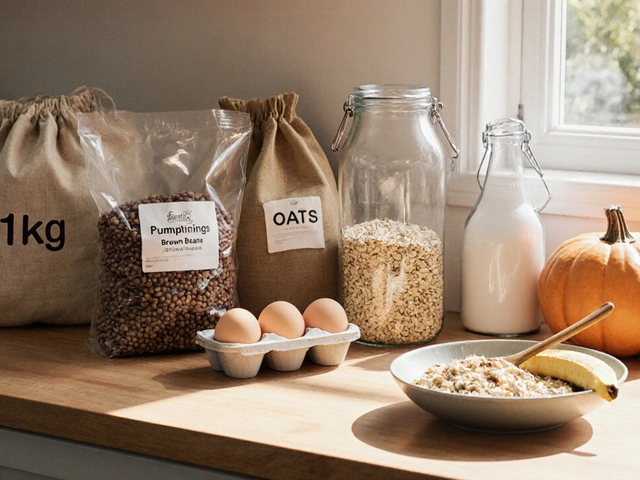
How to Eat Less Than $20 a Week on Healthy Meals
Learn how to eat healthy, filling meals on under $20 a week using simple, affordable ingredients like beans, rice, eggs, and seasonal veggies. No junk food. No stress. Just real food that works.

UK's Biggest Crime Problem: Examining the Surge in Fraud and Cybercrime
Fraud and cybercrime now top the charts as the UK's biggest crime problems. Dive into the numbers, real-world impact, and find out how to protect yourself right now.
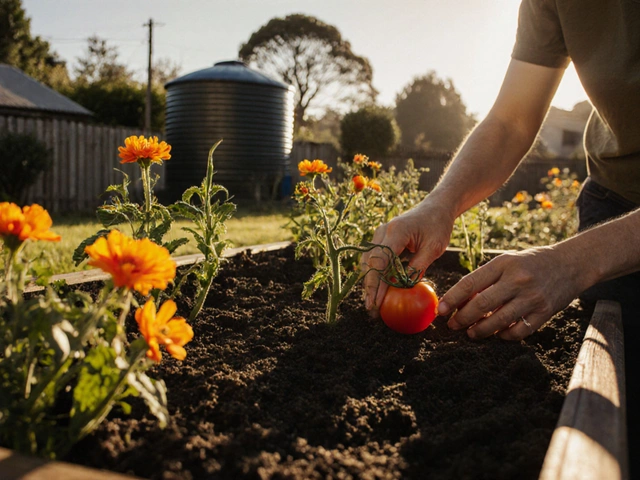
What Are the 10 Steps to Planting a Garden?
Learn the 10 practical steps to plant a successful garden, whether you're in Wellington or just starting out. From soil prep to watering, these tips work for beginners and small spaces.

Best Outfit Suggestion Apps: How AI Chooses What You Wear
Discover how AI-powered outfit suggestion apps turn your wardrobe into daily style ideas, compare the top 2025 options, and learn tips to choose and use the right one.

How to Tell If Someone Isn't Mentally Doing Well
Learn the quiet signs someone isn't mentally doing well-from withdrawal and changed habits to emotional numbness. Know how to respond with care, not judgment.