Thrift Store Impact: How Secondhand Shopping Changes Lives and the Planet
When you walk into a thrift store, a place where gently used clothing, books, and household items find new life. Also known as secondhand shop, it’s not just a bargain bin—it’s a quiet revolution against overconsumption. Every item you buy there keeps something out of a landfill, saves water, and reduces the carbon footprint of making something new. The thrift store impact, the real environmental and social change caused by buying used goods isn’t theoretical. It’s happening right now, in neighborhoods across the UK, one donated jacket at a time.
What most people don’t realize is that sustainable fashion, clothing made and sold with minimal harm to people and the planet doesn’t always mean buying new organic cotton. Sometimes, it means buying last season’s denim from a charity shop. The secondhand shopping, the act of purchasing pre-owned items instead of new ones movement is growing because it works. It cuts down on the 92 million tons of textile waste dumped yearly. It gives people who can’t afford new clothes access to quality items. And it lets you find unique pieces without supporting fast fashion’s exploitative supply chains. This isn’t just about being frugal—it’s about making your choices count.
Behind every thrift store is a network of donors, volunteers, and small businesses keeping the cycle going. These aren’t just random shops—they’re often lifelines for local communities. Money raised from sales funds everything from youth programs to animal shelters. Meanwhile, the ethical consumerism, the practice of choosing products based on their social and environmental impact trend isn’t just a buzzword anymore. It’s a daily decision: Do you buy something new, or do you give something already made another chance? The clothing waste, the discarded garments that end up in landfills or incinerators crisis won’t be solved by one person, but it can be slowed by millions of small choices. And that’s exactly what thrift stores enable.
You’ll find articles here that dig into how thrift shopping connects to bigger ideas—like how to spot real sustainable brands, why minimalists wear black, and how to eat well on a tight budget. These aren’t random picks. They’re all pieces of the same puzzle: living with less, but meaning more. Whether you’re curious about the environmental math behind secondhand fashion, or you just want to build a better wardrobe without breaking the bank, the posts below give you real, no-fluff answers. No marketing spin. Just facts, tips, and stories from people who’ve been there.
Is Goodwill Actually Sustainable? A Deep Dive into Thrift Store Impact
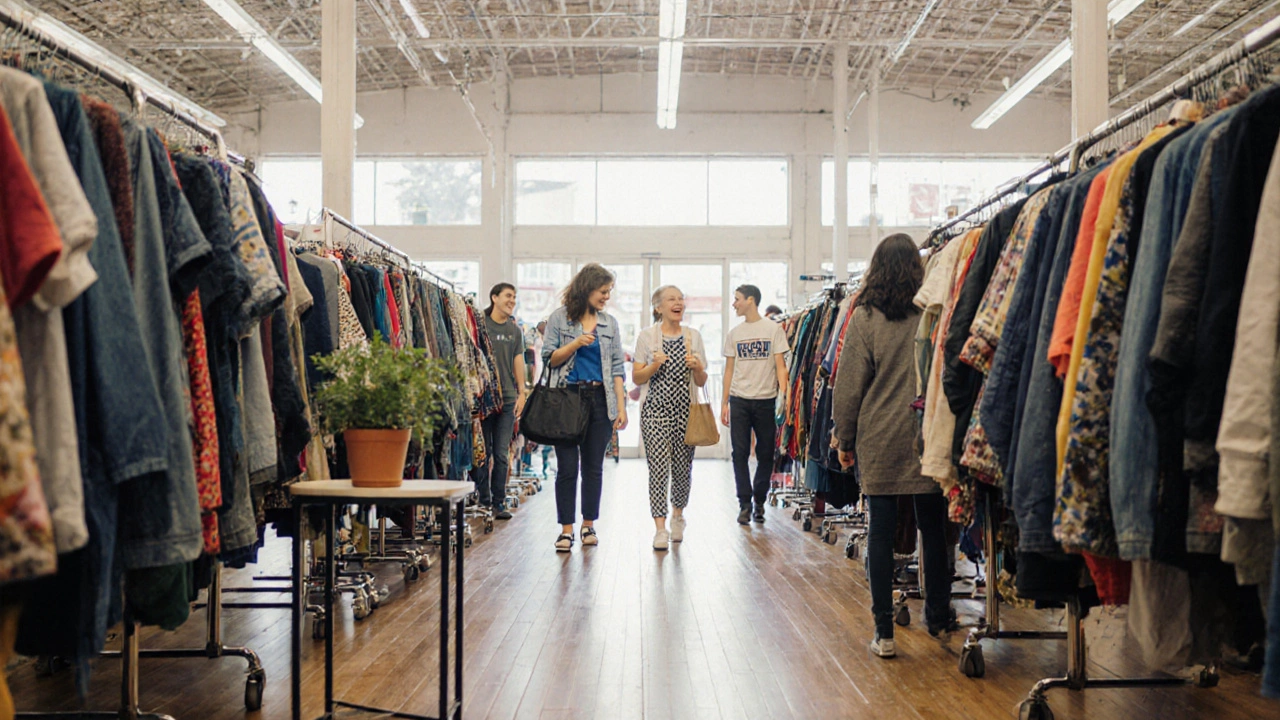
Explore Goodwill's real impact on sustainability, carbon savings, waste diversion, and social benefits. Find data, myths, and tips for greener thrift shopping.
Categories
RECENT POSTS
What Minimalism Says About You: Decoding Your Personality Through Decluttering
Discover what your minimalist lifestyle reveals about your personality, values, and psychological drivers. From control-seeking to ethical awareness, explore how decluttering shapes your identity.
Is Goodwill Actually Sustainable? A Deep Dive into Thrift Store Impact
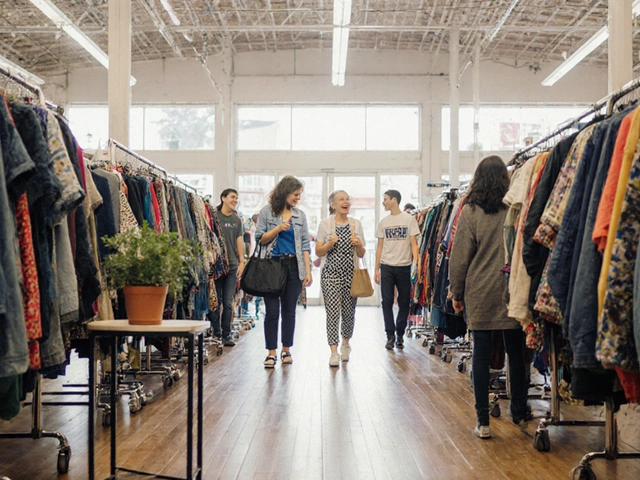
Explore Goodwill's real impact on sustainability, carbon savings, waste diversion, and social benefits. Find data, myths, and tips for greener thrift shopping.
How Many Days to Spend in England? Find the Ideal Trip Length
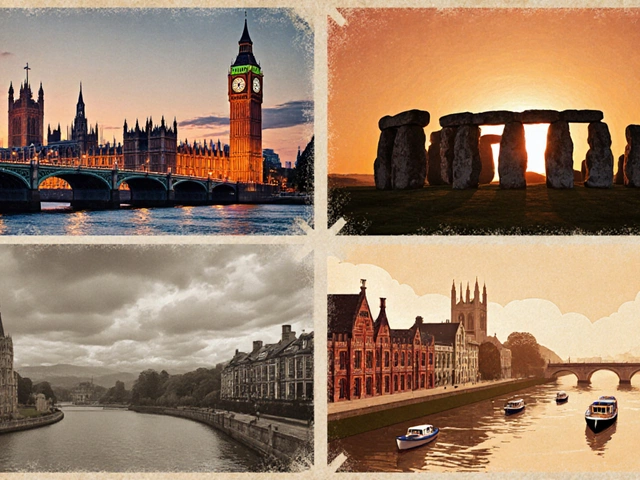
Discover the ideal number of days for an England trip. Learn how to split the country into regions, see sample itineraries for 5‑7, 10‑12 and 14‑16 days, and get practical tips for travel, accommodation, and budgeting.

The 30-30-30 Rule for Weight Loss: What It Is and How to Do It
Discover the 30-30-30 rule for weight loss: wake up early, drink 30oz water, and move for 30 minutes. Learn how this simple morning routine boosts metabolism and supports sustainable fat loss.
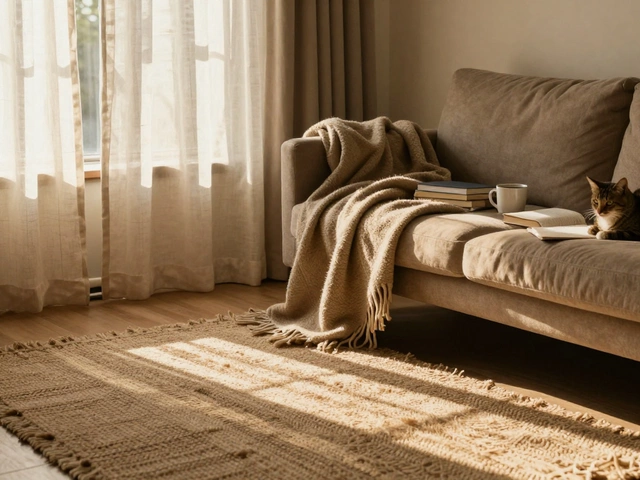
Is there still a home interior? Rediscovering what home really means today
Home interiors aren't gone-they've just stopped pretending to be perfect. Real homes now reflect life as it is: messy, personal, and deeply human. This is what modern interior design really looks like.