Belly Fat-Fighting Meal Score Calculator
Select one option from each category to build your ideal belly-fat-fighting meal. The tool will score your choices based on protein, fiber, healthy fats, and blood sugar impact.
Step 1: Choose Your Protein Source
Grilled Chicken Breast
Lean protein sourceBaked Salmon
Omega-3 fatty acidsEggs (2-3)
Complete proteinTofu or Tempeh
Plant-based proteinChickpeas/Lentils
Protein + soluble fiberRegular Ground Beef
Higher saturated fatStep 2: Choose Your Carbohydrate
Quinoa
Complete grain + proteinSteel-Cut Oats
Beta-glucan fiberSweet Potato
Low-glycemic carbBrown Rice
Whole grainWhite Bread/Pasta
Refined carbohydratesPastries/Cakes
Added sugarsStep 3: Choose Your Healthy Fat
Avocado
Healthy monounsaturated fatOlive Oil (1 tbsp)
Heart-healthy fatWalnuts/Almonds
Omega-3 fatty acidsChia Seeds
Fiber + omega-3Margarine/Fried Foods
Trans fatsButter/Cream
Saturated fatsStep 4: Choose Your Fiber Source
Broccoli/Asparagus
Cruciferous vegetablesBlackberries/Blueberries
Antioxidants + fiberLeafy Greens Salad
High volume, low calorieFlax Seeds
Soluble fiber powerhouseCorn/Bananas
Higher sugar fruits/vegFruit Juice/Soda
Liquid sugarYou’ve probably heard the myth that eating yogurt or crunching on celery will magically melt away your belly fat. It’s a comforting idea, but it doesn’t match how human biology works. You cannot target fat loss in just one specific area of your body through diet alone. This is called "spot reduction," and science has consistently shown it to be ineffective. However, certain foods can significantly help you lose overall body fat, which includes stubborn abdominal fat.
The key isn't finding a magic bullet food. It's about creating a sustainable calorie deficit while prioritizing nutrients that keep you full, stabilize your blood sugar, and lower inflammation. When you manage these factors, your body becomes more efficient at burning stored fat, including the dangerous visceral fat that wraps around your internal organs.
Understanding Visceral vs. Subcutaneous Fat
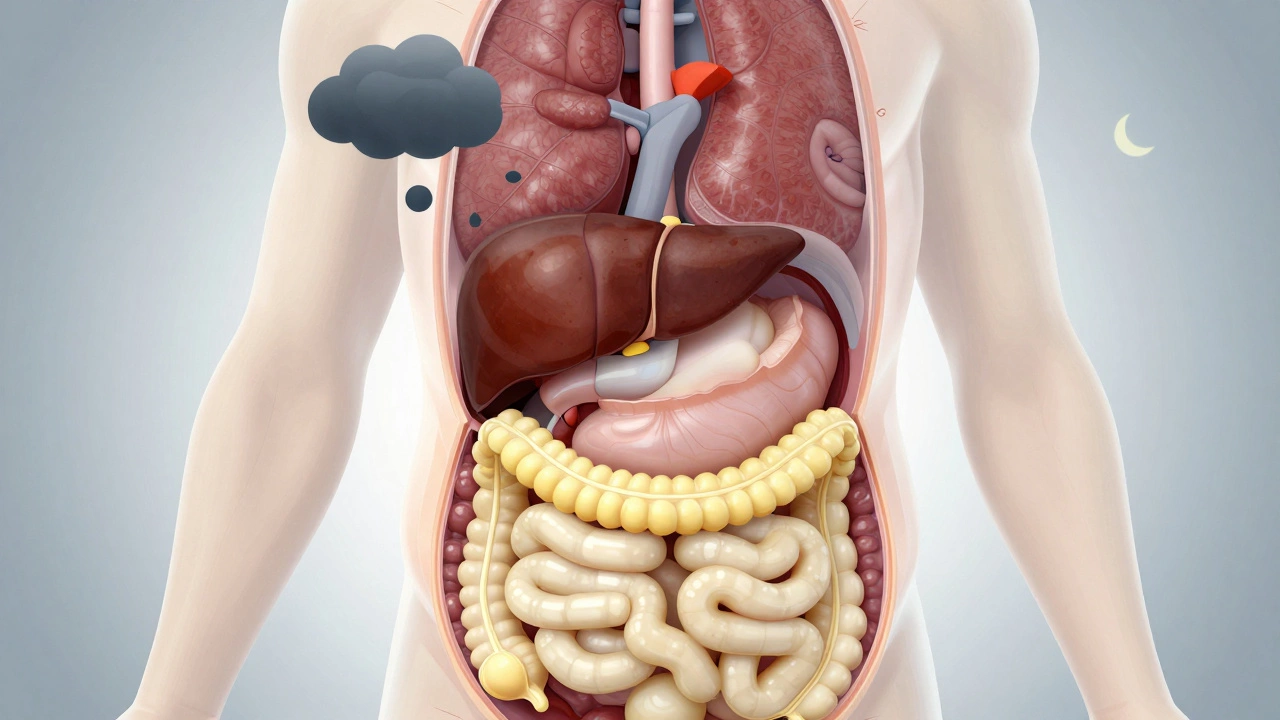
Before picking up a fork, it helps to understand what you are actually fighting against. There are two main types of belly fat. The first is subcutaneous fat, which sits just under the skin. This is the kind you can pinch. While it might bother you aesthetically, it’s generally less harmful to your long-term health.
The second type is visceral fat. This fat lives deeper in your abdomen, surrounding vital organs like your liver, pancreas, and intestines. Visceral fat is metabolically active, meaning it releases hormones and inflammatory substances that can increase your risk of heart disease, type 2 diabetes, and even certain cancers. The good news? Visceral fat is often the first to go when you start making healthier lifestyle changes because it is more responsive to hormonal signals than subcutaneous fat.
To shrink this dangerous layer, you need to focus on whole, unprocessed foods that regulate insulin levels. High insulin levels signal your body to store fat, particularly in the midsection. By keeping insulin stable, you unlock your body’s ability to burn fat for fuel.
Foods That Fight Belly Fat: The Power Players
Not all calories are created equal. Some foods trigger hunger hormones, while others suppress them. To effectively lose tummy fat, prioritize these nutrient-dense categories:
- Soluble Fiber: This type of fiber absorbs water and forms a gel-like substance in your gut. It slows down digestion, keeping you feeling full longer. Studies have shown that increasing soluble fiber intake is directly linked to reduced abdominal fat. Great sources include flax seeds, legumes (beans, lentils), avocados, and blackberries.
- High-Quality Protein: Protein is the king of satiety. It boosts metabolism slightly by requiring more energy to digest (the thermic effect of food) and preserves muscle mass during weight loss. Aim for lean sources like chicken breast, turkey, fish, eggs, and plant-based options like tofu or tempeh. A study published in the American Journal of Clinical Nutrition found that higher protein diets led to significant reductions in belly fat compared to standard diets.
- Healthy Fats: Don't fear fat; choose the right kind. Monounsaturated fats found in olive oil, nuts, and seeds support heart health and reduce inflammation. Omega-3 fatty acids, found in fatty fish like salmon and mackerel, have been shown to specifically help reduce visceral fat accumulation.
- Low-Glycemic Carbs: Instead of avoiding carbs entirely, switch to low-glycemic options that don't spike your blood sugar. Quinoa, oats, sweet potatoes, and most non-starchy vegetables provide steady energy without triggering massive insulin responses.
Foods to Avoid: The Hidden Belly Fat Builders
If adding nutritious foods is half the battle, removing the wrong ones is the other. Certain items actively promote fat storage in the abdominal region by driving inflammation and insulin resistance.
| Food Category | Why It Hurts Your Waistline | Better Alternative |
|---|---|---|
| Added Sugars & Sodas | Fructose is processed by the liver and converted directly into fat, contributing heavily to visceral fat buildup. | Water, herbal tea, or sparkling water with lemon. |
| Trans Fats | Found in many processed baked goods and fried foods, they cause systemic inflammation and disrupt cellular function. | Avocado, olive oil, or nut butters. |
| Refined Carbohydrates | White bread, pasta, and pastries strip away fiber, causing rapid blood sugar spikes and crashes. | Whole grains like brown rice, quinoa, or barley. |
| Alcohol | Calories from alcohol are empty and halt fat burning as the body prioritizes metabolizing the toxin. | Limit intake or swap for zero-sugar mocktails. |
Notice a pattern? Most of these offenders are highly processed. Ultra-processed foods are engineered to override your brain's natural satiety signals, making it incredibly easy to overeat. By sticking to foods that look like they came from nature, you automatically remove many of these hidden fat-builders from your plate.
Sample Healthy Meal Ideas for Weight Loss
Knowing what to eat is great, but knowing how to combine those ingredients makes the difference between a fleeting diet and a lasting habit. Here are some practical, delicious meal ideas that hit the sweet spot of high protein, healthy fats, and fiber.
Breakfast: The Metabolism Starter
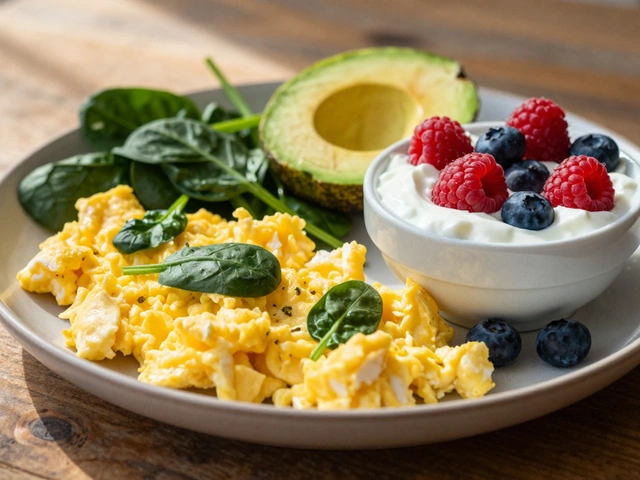
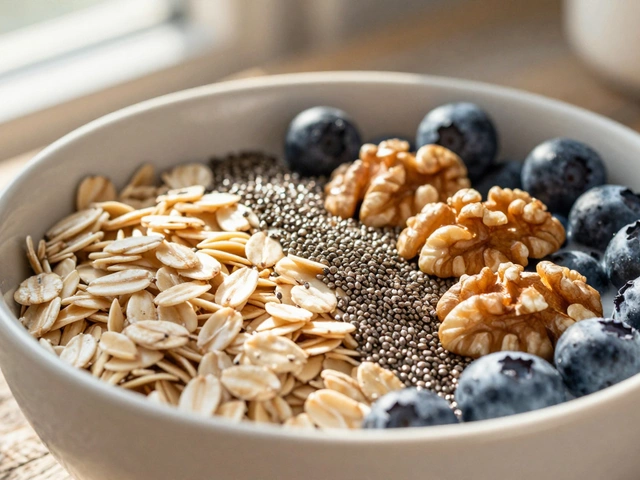
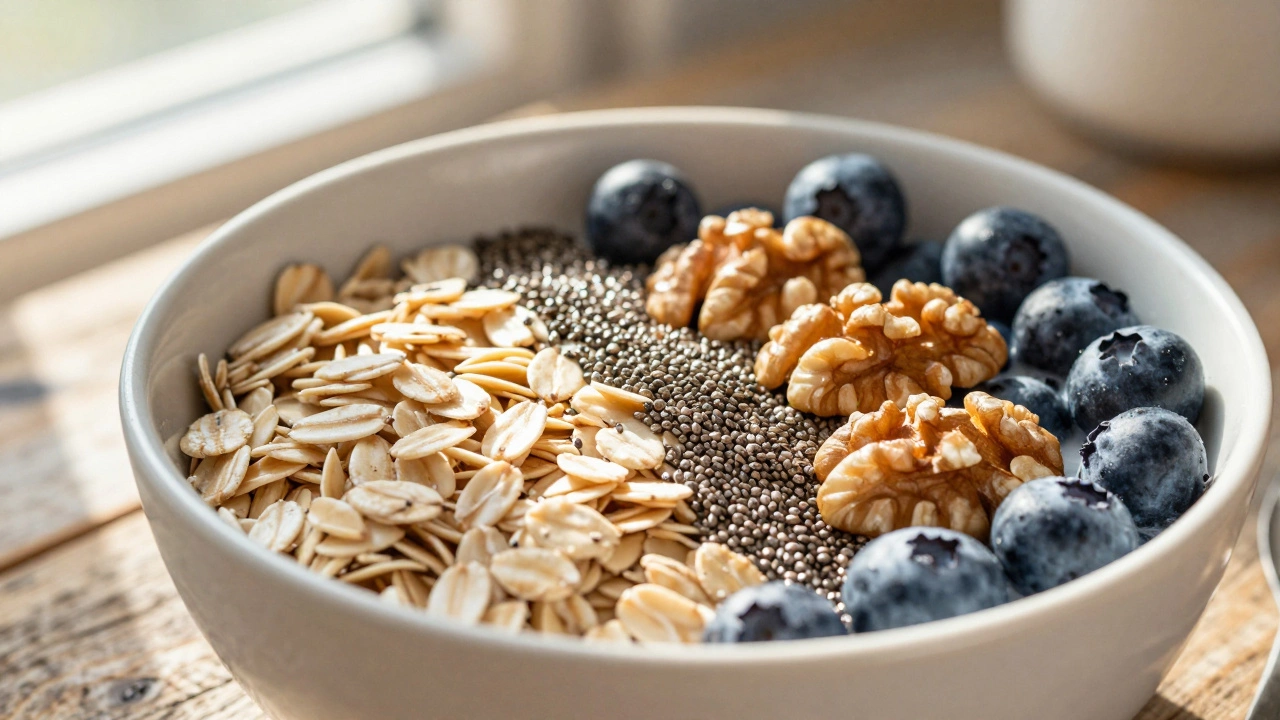
Start your day with protein to curb mid-morning cravings. Try a bowl of steel-cut oats topped with chia seeds, walnuts, and blueberries. The oats provide slow-release energy, while the berries offer antioxidants and fiber. Alternatively, scramble two eggs with spinach and diced bell peppers, served with a slice of whole-grain toast. This combination keeps blood sugar stable and prevents the energy slump that often leads to snacking.
Lunch: The Satiety Anchor
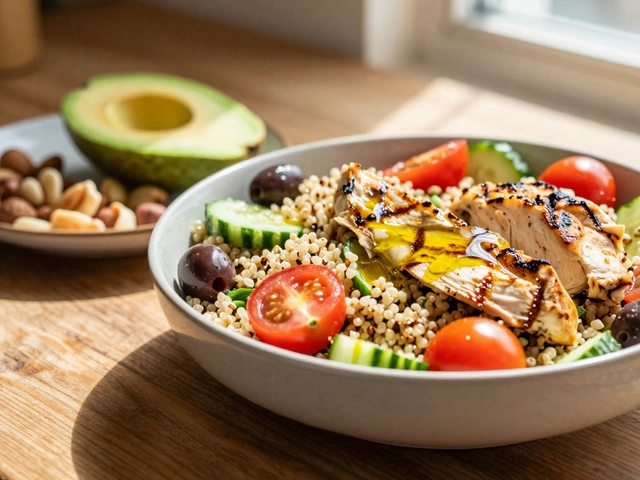
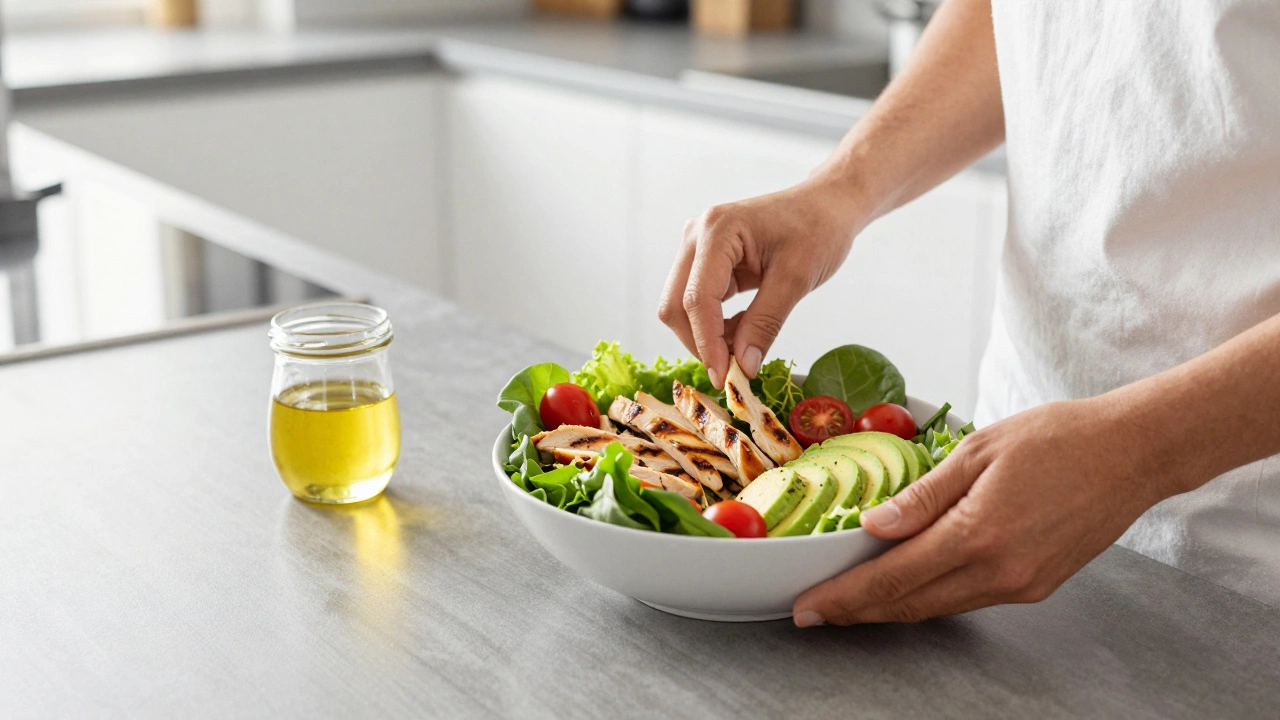
A large salad isn't just lettuce. Build a base of leafy greens, add a palm-sized portion of grilled chicken or chickpeas, and top with avocado slices and cherry tomatoes. Dress it simply with extra virgin olive oil and apple cider vinegar. The volume of vegetables fills your stomach physically, while the protein and healthy fats ensure you stay satisfied until dinner. If you prefer warm meals, try a quinoa bowl with roasted sweet potatoes, black beans, and salsa.
Dinner: Light but Nourishing
Keep dinners lighter to aid digestion and sleep quality. Baked salmon with a side of steamed broccoli and asparagus is an excellent choice. Salmon provides omega-3s that fight inflammation, while the cruciferous vegetables contain compounds that may help balance estrogen levels, which can influence fat distribution. For a vegetarian option, stir-fry tofu with bok choy, mushrooms, and ginger using a small amount of sesame oil.
Snacks: Strategic Fuel
Only snack if you’re genuinely hungry. A handful of almonds, a piece of fruit with Greek yogurt, or carrot sticks with hummus are smart choices. These snacks bridge the gap between meals without sending your blood sugar soaring.
The Role of Lifestyle Factors Beyond Diet
Food is only one part of the equation. Even with the perfect diet, stress and poor sleep can sabotage your efforts to lose tummy fat. Cortisol, the primary stress hormone, has a direct link to increased visceral fat storage. When you are chronically stressed, your body holds onto belly fat as a survival mechanism.
Sleep deprivation is another silent killer of weight loss progress. Lack of sleep disrupts leptin and ghrelin, the hormones that control hunger and fullness. When you're tired, you crave high-calorie, sugary foods more intensely. Aim for seven to nine hours of quality sleep each night. Simple habits like keeping your bedroom cool, dark, and screen-free can make a huge difference.
Physical activity also plays a crucial role. While cardio burns calories, strength training builds muscle, which increases your resting metabolic rate. Compound movements like squats, deadlifts, and push-ups engage multiple muscle groups, including your core, helping you burn more calories throughout the day.
Creating a Sustainable Plan
Losing tummy fat isn't about perfection; it's about consistency. Don't aim for drastic overnight changes that lead to burnout. Start by swapping one unhealthy habit for a healthy one each week. Maybe this week you replace soda with water. Next week, you add a serving of vegetables to every dinner. Small, incremental changes compound over time, leading to significant results.
Track your progress beyond the scale. Measure your waistline, notice how your clothes fit, and pay attention to your energy levels. Sometimes the scale doesn't move because you're gaining muscle while losing fat, which is a win. Listen to your body, adjust your approach as needed, and remember that this is a marathon, not a sprint.
Can I lose belly fat without exercise?
Yes, you can lose belly fat primarily through diet alone by maintaining a calorie deficit. However, combining diet with exercise, especially strength training, yields better results and helps preserve muscle mass, ensuring the weight lost comes from fat stores rather than muscle tissue.
How long does it take to see results?
Results vary based on individual factors like genetics, starting weight, and adherence to the plan. Generally, you might notice changes in how your clothes fit within 2-4 weeks, while visible changes in body composition typically take 8-12 weeks of consistent effort.
Is intermittent fasting effective for belly fat?
Intermittent fasting can be an effective tool for reducing belly fat by naturally limiting calorie intake and improving insulin sensitivity. Popular methods include the 16/8 rule, where you fast for 16 hours and eat within an 8-hour window. It works best when combined with nutritious food choices.
Do probiotics help reduce tummy fat?
Emerging research suggests that gut health plays a role in weight management. Certain strains of probiotics, such as Lactobacillus gasseri, have been linked to reductions in abdominal fat. Incorporating fermented foods like yogurt, kefir, sauerkraut, and kimchi may support a healthy gut microbiome.
Why am I exercising but not losing belly fat?
If you aren't seeing results despite exercise, you might be overestimating calories burned or underestimating calories consumed. Additionally, high stress levels and poor sleep can hinder fat loss. Ensure you are in a slight calorie deficit and managing lifestyle factors like cortisol and rest.