Home Decoration Priority Planner
Follow the proven sequence for stress-free decorating. Check off tasks as you complete them and avoid costly mistakes.
The Shell: Structure & Surfaces
Foundation work before anything elseLarge Furniture Pieces
Anchor pieces that define each roomRugs & Window Treatments
Soft elements that anchor and soften spacesLayered Lighting
Transform functional spaces into inviting roomsArt & Accessories
Personal touches that add characterThere is nothing more frustrating than spending thousands on beautiful furniture only to realize it doesn't fit through the door, or painting your walls a stunning shade of blue, only to cover them with shelves that clash. If you have ever felt overwhelmed by the sheer volume of decisions involved in making a house feel like a home, you are not alone. The secret to stress-free decorating isn't just having good taste; it is about following a logical sequence. Decorating is a process, not an event.
When you tackle rooms in the wrong order, you end up with mismatched styles, wasted money, and a lot of regret. By understanding the hierarchy of home improvement-from structural fixes to final accessories-you can create a cohesive flow throughout your entire property. This guide breaks down exactly what to do first, second, and last, so you can build your dream space without the chaos.
Quick Summary
- Start with structure: Fix floors, paint walls, and handle lighting before buying any furniture.
- Furniture comes next: Measure your spaces carefully and buy large pieces before rugs or curtains.
- Soft furnishings last: Choose textiles, art, and decor only after the main layout is set.
- Work top-down: Address ceilings and upper walls before lower elements to avoid damage.
- Live with it: Leave time between major purchases to ensure you love every piece.
Step One: The Shell (Structure and Surfaces)
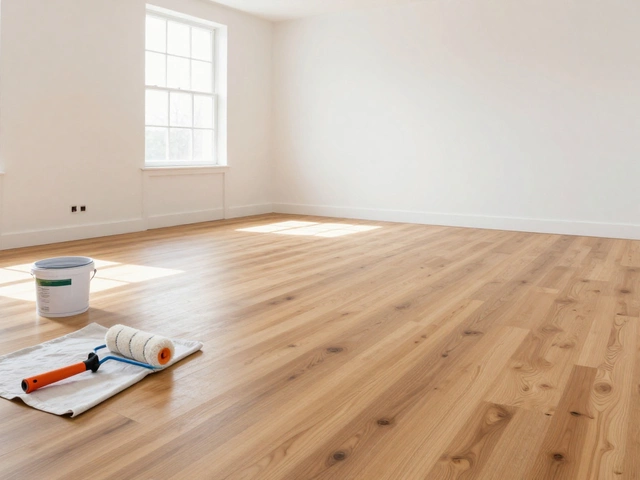
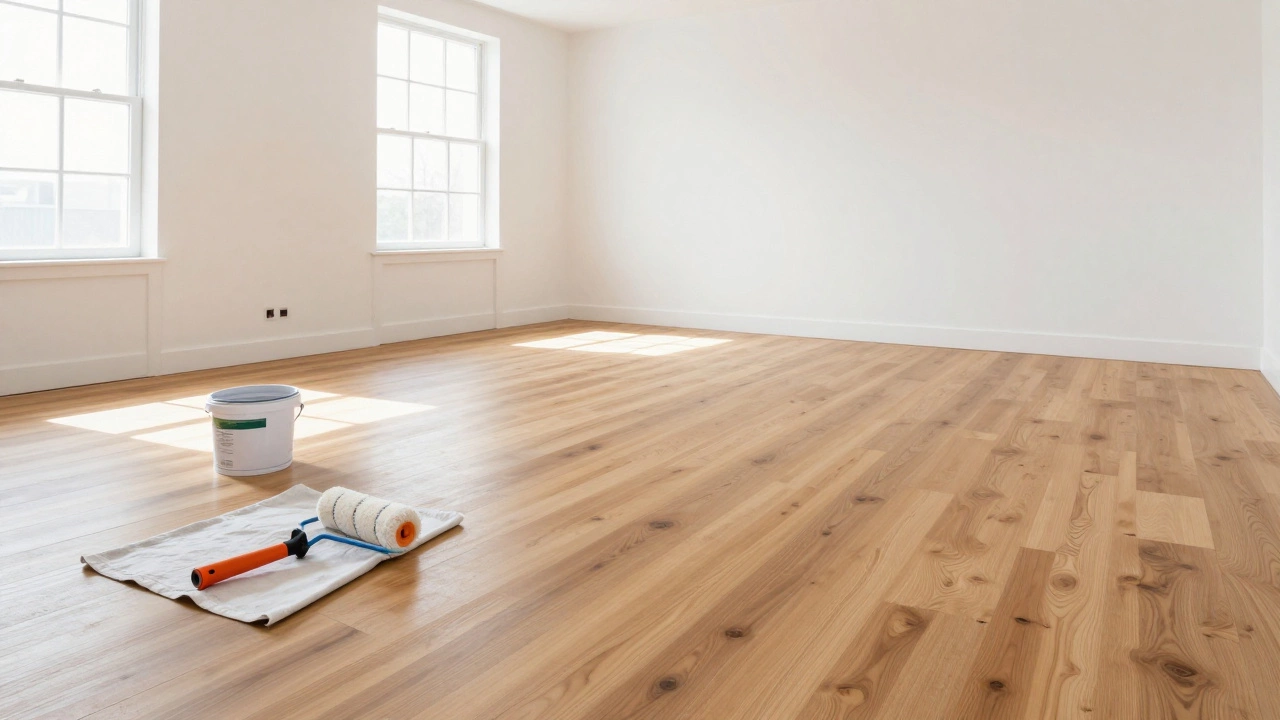
Before you even think about a sofa, you need to look at the bones of your home. Think of this phase as preparing a canvas for a painting. If the canvas is torn or stained, the artwork won't matter. This stage includes flooring, painting, and basic lighting infrastructure.
Why start here? Because these are the most expensive and disruptive changes. You don't want to move a heavy Dining Table three times because you decided to change from carpet to hardwood. Flooring sets the tone for the entire room. Hardwood feels warm and traditional, while tile feels cool and modern. Once your floors are installed, move on to painting. Paint is cheap compared to furniture, but it has a huge impact on how light bounces around the room. Light colors make small spaces feel bigger; dark colors add drama to high-ceilinged areas.
Don't forget the lighting fixtures themselves. While you might swap out bulbs later, the actual sconces, pendants, and ceiling fans should be installed now. This ensures you know where your power outlets are and avoids drilling holes into freshly painted walls later. Remember, natural light is free, so keep window treatments minimal during this phase to let the sun show off your new paint job.
Step Two: Large Furniture Pieces
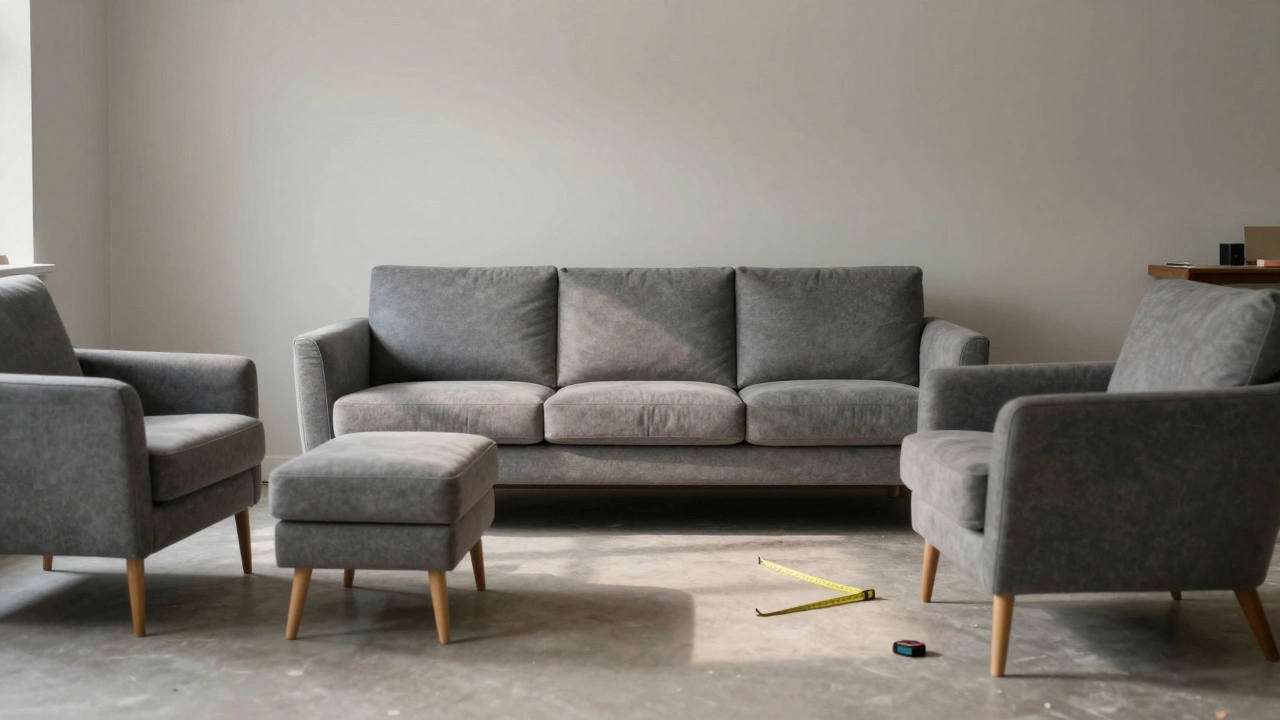
Now that your shell is ready, it’s time to bring in the big players. This is where many people make mistakes by buying online without measuring twice. Always measure your doorways, staircases, and elevators. I once saw a friend try to squeeze a sectional sofa through a standard doorway-it didn’t fit, and neither did his patience.
Start with the anchor pieces: sofas, beds, dining tables, and desks. These define the function of each room. Place your largest piece first. In a living room, that’s usually the sofa. Arrange other chairs and ottomans around it to create conversation zones. In the bedroom, the bed dictates the placement of nightstands and dressers. Make sure there is enough walking space-aim for at least 30 inches of clearance around furniture so you don’t trip over corners.
Consider the traffic flow. Do people walk straight through the room to get to another area? If so, don’t block that path with bulky items. Use furniture to guide movement naturally. For example, place a console table behind a sofa to create a visual barrier without blocking sightlines. This step is crucial because moving large furniture is hard work, and doing it incorrectly can scratch your new floors.
Step Three: Rugs and Window Treatments
With the furniture in place, you can finally choose your rugs and curtains. Many people pick rugs too early, resulting in pieces that are too small or clash with the floor color. A rug should anchor the seating area. In a living room, all front legs of the sofa and chairs should sit on the rug. This ties the group together visually. If the rug is too small, it looks like a postage stamp floating in the middle of the room.
For bedrooms, the rug should extend beyond the sides of the bed so your feet land on something soft when you get up at night. When choosing curtains, hang the rod higher than you think-about 4-6 inches above the window frame. This tricks the eye into thinking the windows are taller, which makes the ceiling appear higher. Ensure the curtains touch the floor or just barely graze it. Avoid stacking them halfway up the wall; it looks unfinished.
These soft elements soften the hard lines of furniture and architecture. They also help with soundproofing and privacy. Natural fibers like cotton and linen offer a relaxed vibe, while velvet adds luxury. Choose textures that complement your furniture material-if you have sleek leather sofas, pair them with a plush wool rug for contrast.
Step Four: Layered Lighting
Lighting transforms a room from functional to inviting. But remember, we already installed the fixtures in Step One. Now, it’s time to choose the right bulbs and add portable lamps. Most homes rely too heavily on overhead lighting, which creates harsh shadows. Instead, aim for three layers: ambient, task, and accent.
Ambient lighting provides general illumination, often from ceiling fixtures or recessed lights. Task lighting focuses on specific activities, like reading lamps beside a chair or under-cabinet lights in the kitchen. Accent lighting highlights architectural features or artwork, such as picture lights or LED strips behind shelves. Warm white bulbs (2700K-3000K) create a cozy atmosphere, while cooler tones (4000K+) are better for kitchens and bathrooms where clarity matters.
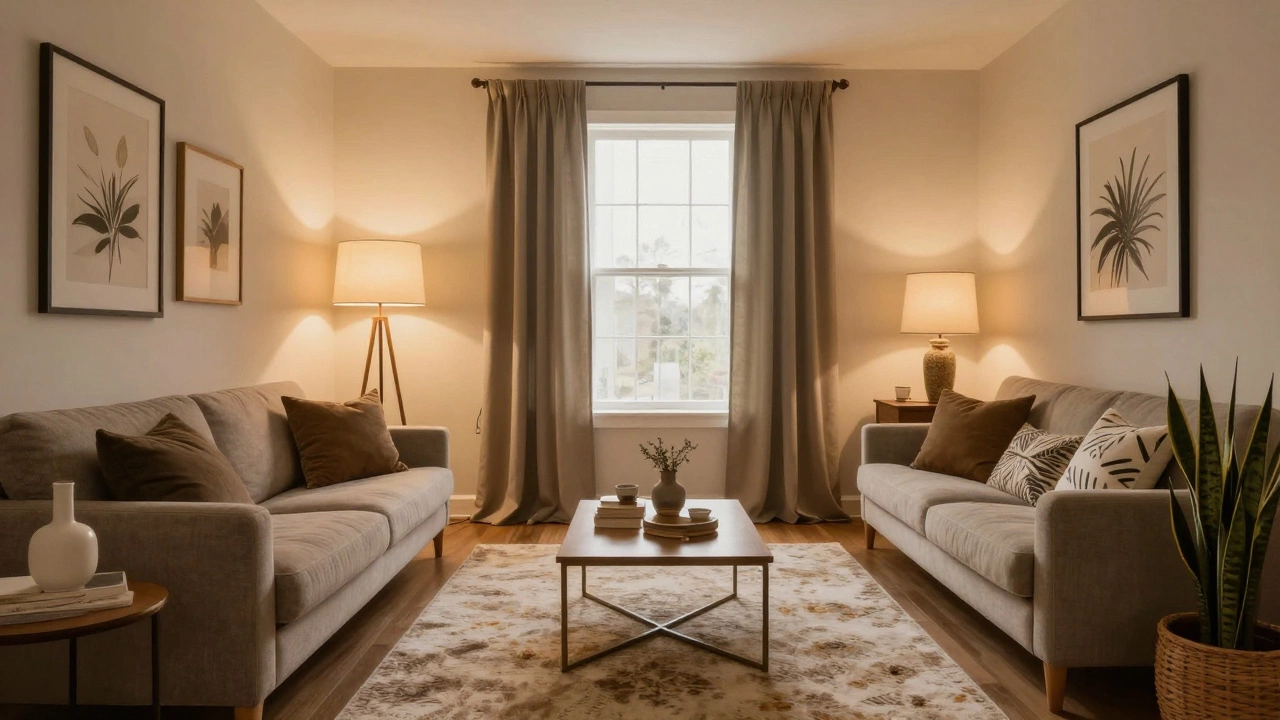
Add table lamps and floor lamps to fill dark corners. A well-placed lamp can draw attention away from awkward proportions or empty walls. Dimmers are essential-they allow you to adjust the mood instantly. Whether you’re hosting dinner parties or watching movies, being able to control brightness levels adds versatility to any space.
Step Five: Art and Accessories
This is the fun part! After everything else is settled, you can start playing with personality. Artwork should be hung at eye level, typically 57 inches from the floor to the center of the piece. Don’t crowd the walls, but don’t leave them bare either. Group smaller frames together for a gallery wall effect, or go bold with one large statement piece.
Accessories include throw pillows, blankets, vases, books, and decorative objects. Less is more here. Too many knick-knacks make a space feel cluttered and chaotic. Choose items that tell a story or hold meaning. Maybe it’s a vase from your travels or a book collection that reflects your interests. Rotate seasonal decorations to keep things fresh without buying new stuff every year.
Plants are excellent additions-they bring life and color indoors. Low-maintenance options like snake plants or pothos thrive in low light, while ferns prefer humidity. Just ensure pots match your decor style. Ceramic pots suit modern interiors, while terracotta works well with rustic themes. Finally, step back and assess. Does the room feel balanced? If yes, congratulations-you’ve decorated successfully!
| Phase | Key Actions | Common Mistakes |
|---|---|---|
| 1. Structure | Flooring, Painting, Fixtures | Ignoring measurements |
| 2. Furniture | Sofas, Beds, Tables | Buying before measuring doors |
| 3. Soft Furnishings | Rugs, Curtains | Choosing rugs too small |
| 4. Lighting | Bulbs, Lamps, Dimmers | Overusing overhead lights |
| 5. Decor | Art, Plants, Pillows | Cluttering surfaces |
Final Thoughts
Decorating a house doesn’t have to be overwhelming if you follow a clear plan. Start with the basics-floors, paint, and lighting-then move to furniture, soft furnishings, and finally, personal touches. Take your time between steps. Live with the space for a few weeks before adding more items. This approach saves money, reduces stress, and results in a home that truly feels like yours. Happy decorating!
Should I buy furniture before painting?
No, always paint before bringing in furniture. It’s easier to tape off edges and avoid spills when the room is empty. Plus, you can choose colors that complement your existing pieces without worrying about coverage.
How do I decide on a rug size?
In living rooms, ensure all front legs of seating furniture rest on the rug. In dining areas, the rug should extend at least 24 inches beyond the table edge so chairs stay on it when pulled out. Never use tiny rugs that float in the center of the room.
What is the best height for hanging artwork?
Hang art so the center of the piece is 57 inches from the floor. This aligns with average eye level and creates a balanced look regardless of viewer height. Adjust slightly if placing above furniture-keep 6-8 inches between the top of the furniture and bottom of the frame.
Can I decorate one room at a time?
Yes, focusing on one room helps manage budget and effort. However, maintain consistency in style and color palette across adjacent spaces to ensure flow. Use similar materials or repeating accents to tie different rooms together visually.
Is it okay to mix styles in one room?
Absolutely! Mixing styles adds character and interest. Combine modern furniture with vintage accessories or industrial lighting with cozy textiles. Just ensure there’s a unifying element-like consistent wood tones or neutral backgrounds-to prevent visual chaos.