Meal Prep Food Checker
Enter a food item to see if it's suitable for meal prep. This tool identifies foods that spoil quickly and provides alternatives.
Meal prepping saves time, cuts food waste, and helps you eat better. But not everything holds up in the fridge or freezer. Some foods turn soggy, mushy, or just plain weird after a few days. If you’ve ever opened a container on Wednesday to find your salad looking like a swamp or your fried chicken tasting like cardboard, you’re not alone. Knowing what not to meal prep is just as important as knowing what to prep.
Leafy Greens Are a No-Go
Spinach, kale, arugula, and lettuce don’t belong in your meal prep containers. Even if you store them dry and separate from dressing, they’ll wilt within 24 hours. Moisture from other ingredients, like tomatoes or roasted veggies, speeds up the decay. By day three, your greens are slimy and smell like a damp towel.
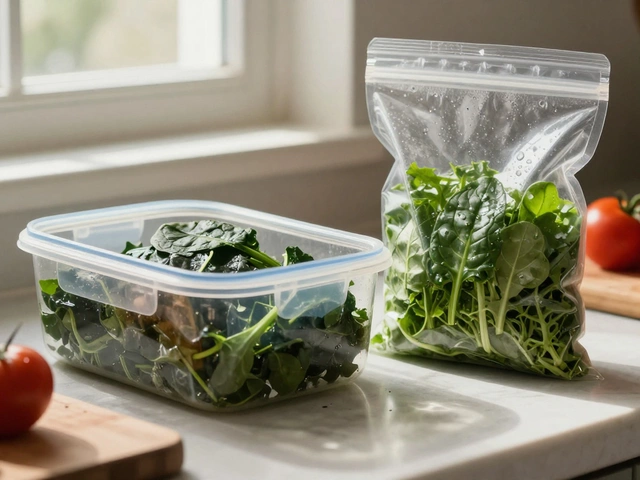
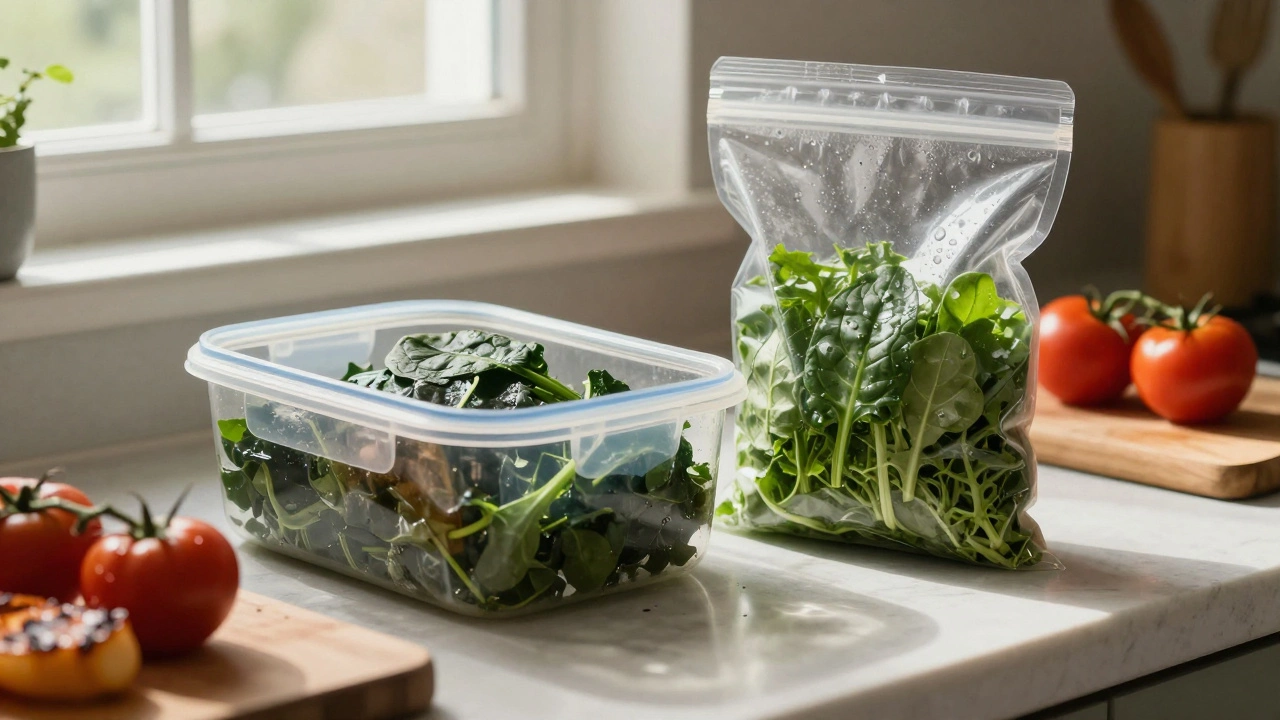
Real fix? Prep the dressing, roasted veggies, and protein separately. Keep the greens in a sealed bag in the fridge. Toss them in right before eating. You’ll get crisp texture and real flavor-not a soggy mess.
Fried Foods Lose Their Crunch
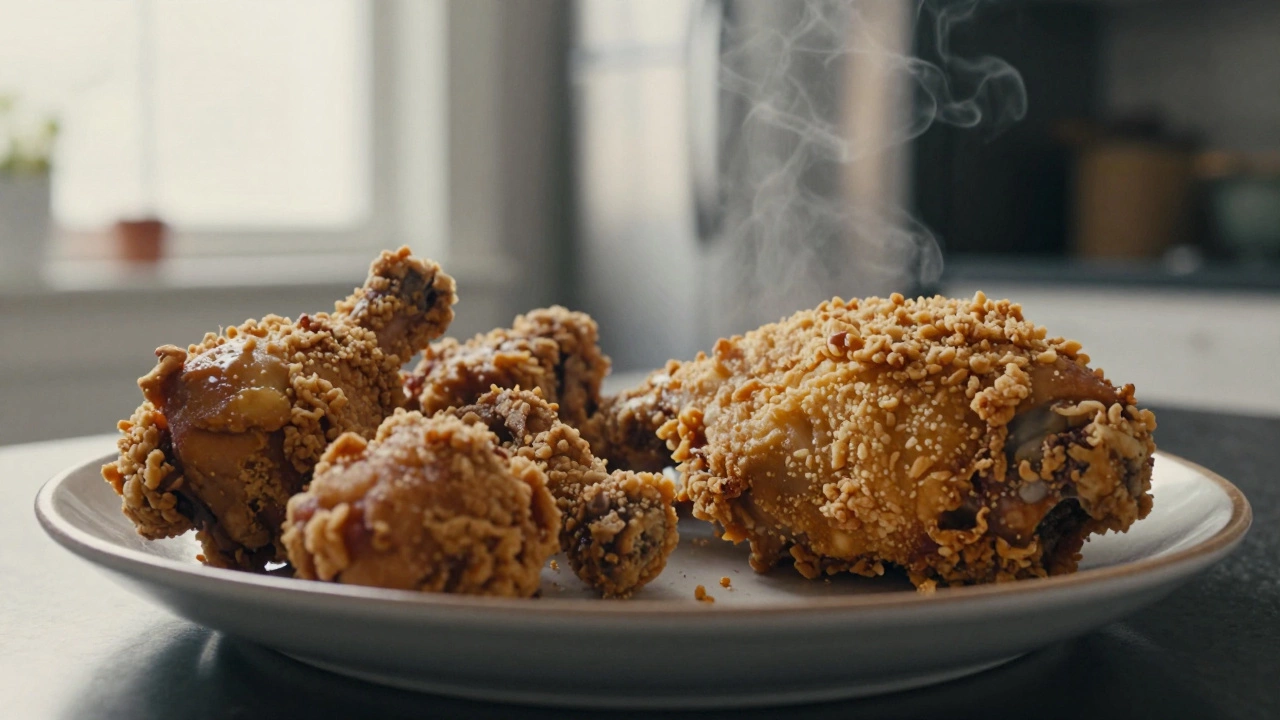
Fried chicken, tempura, onion rings, and even crispy tofu don’t survive a day in the fridge. The moisture from the air and other ingredients turns that golden crunch into a rubbery, greasy layer. Even reheating won’t bring it back. You might think the oven will fix it, but all it does is dry out the meat while leaving the coating soggy.
Instead, cook fried foods fresh. If you’re short on time, bake chicken thighs with a panko crust. They stay crispier longer and taste better cold than fried chicken does after two days.
Raw Vegetables in Salads Don’t Last
Raw cucumbers, radishes, bell peppers, and celery go from crunchy to waterlogged fast. They release moisture, which soaks into the greens and dressing. Even if you store them in a separate container, they’ll soften by Tuesday.
Try this: Roast or blanch your veggies before prepping. Roasted bell peppers hold their shape. Blanched broccoli stays bright and firm. You lose some raw crunch, but you gain texture that lasts. Or skip prepping salads entirely and chop veggies fresh each morning.
Soft Cheeses and Dairy-Based Sauces
Burrata, ricotta, goat cheese, and cream cheese-based sauces? Don’t meal prep them. They break down. The moisture separates. The texture turns grainy or watery. A creamy pasta sauce made with mascarpone might look fine on Monday, but by Thursday, it’s oily and lumpy.
Use hard cheeses instead-Parmesan, cheddar, feta. They hold up. For creamy sauces, make them fresh or use a base like Greek yogurt or cashew cream. They’re more stable and still rich.
Avocados and Guacamole
Avocados turn brown and mushy in hours, even with lemon juice. Guacamole stored in a container? It becomes a brown sludge with a weird texture. The oil separates. The flavor dulls. No amount of plastic wrap pressed on the surface fixes this.
Buy avocados as you need them. If you must prep ahead, freeze mashed avocado with lime juice and a splash of water. Thaw it slowly and stir well. It won’t be perfect, but it’s better than the alternative. Or skip it and top your meals with sliced avocado right before eating.
Cooked Pasta and Rice Get Gummy
Overcooked pasta and sticky rice are meal prep nightmares. They absorb too much liquid and turn into glue. Even if you undercook them slightly, they’ll continue cooking in their own steam in the container. By day two, you’re eating a carb paste.
Fix it by rinsing pasta under cold water after cooking to stop the cooking process. Drain rice thoroughly and spread it on a tray to cool before storing. Still, the best trick? Cook pasta and rice fresh each day. It takes five minutes. The texture difference is worth it.
Water-Based Soups and Broths
Not all soups are bad. But clear broths, especially ones with delicate herbs or veggies, lose flavor and texture. The herbs turn gray. The vegetables disintegrate. The broth tastes flat and dull.
Make hearty soups instead-chickpea stew, lentil soup, chili. They improve over time. Skip the delicate stuff like consommé or tomato basil soup with fresh basil. Add fresh herbs and lemon juice when you reheat. That tiny step brings the flavor back to life.
What to Do Instead
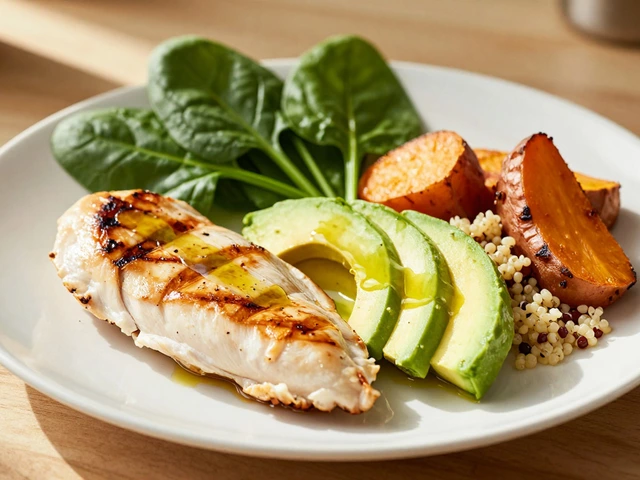
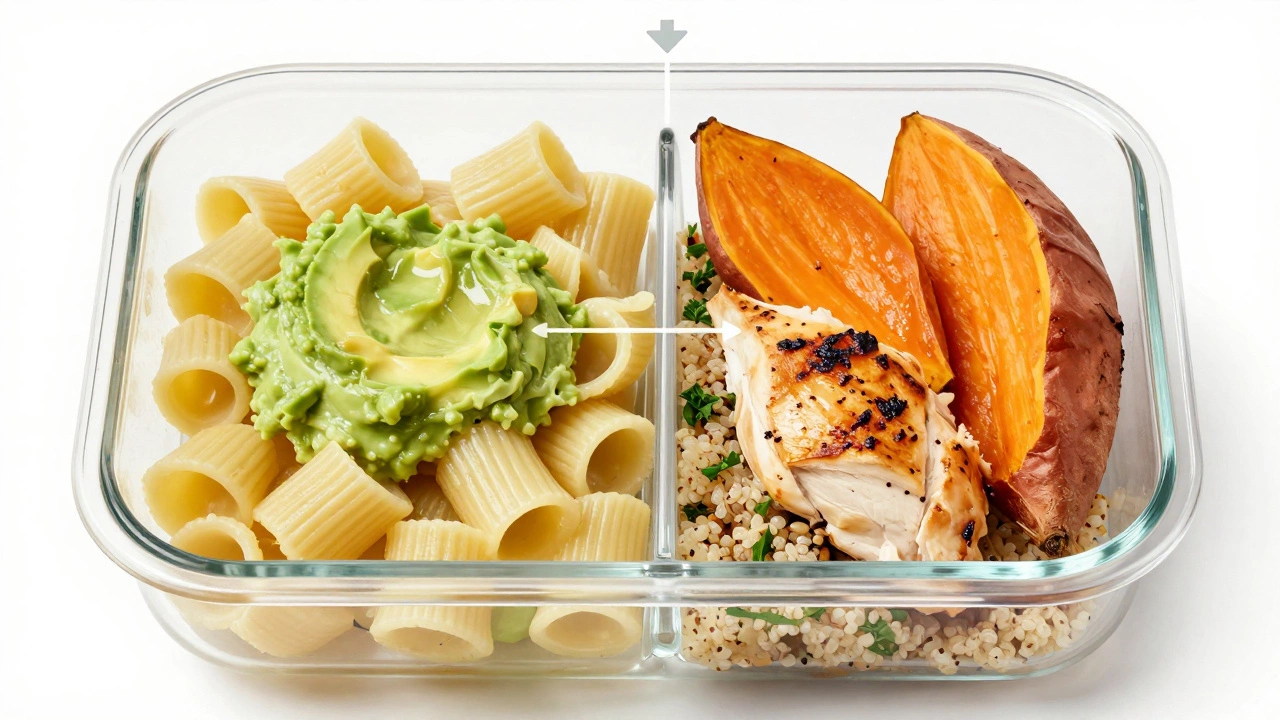
You don’t have to give up meal prepping. Just be smart. Prep the things that hold up: roasted sweet potatoes, grilled chicken, quinoa, beans, hard-boiled eggs, and sturdy veggies like carrots and broccoli. Keep the fragile stuff separate. Prep components, not full meals.
Use glass containers with separate compartments. Store dressings and sauces in small jars. Keep fresh herbs, avocado, and crunchy toppings in small bags. Assemble your meals in the morning. It takes 10 extra minutes, but you’ll eat better and waste less.
Meal prep isn’t about filling ten containers on Sunday. It’s about making eating well easier all week. Skip the foods that fail, and your meals will taste like they’re fresh-even on Friday night.