Home Interior Well-Being Assessment
How does your home feel? This 5-question assessment helps you evaluate if your living space supports your emotional well-being and daily rhythm. Based on research showing responsive homes increase well-being by 40%.
1. Does your home adapt to your daily rhythms?
2. How do you feel about your home's clutter?
3. How do the materials in your home work with your environment?
4. How does your home lighting support your activities?
5. When you enter your home, how do you feel?
Your Home Interior Assessment
Based on your responses, here's how your home supports your well-being.
Personalized Suggestions
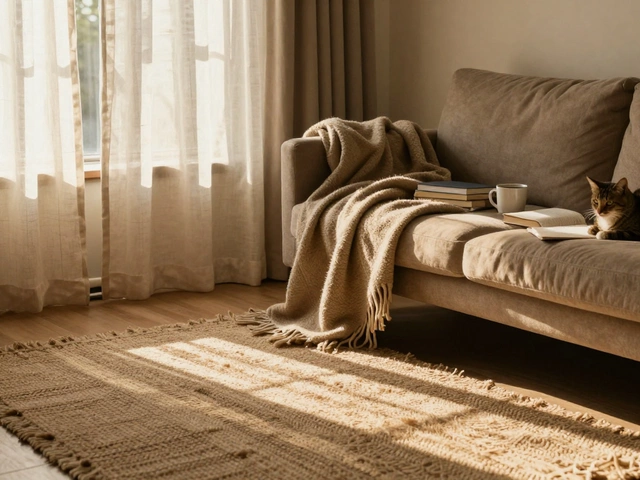
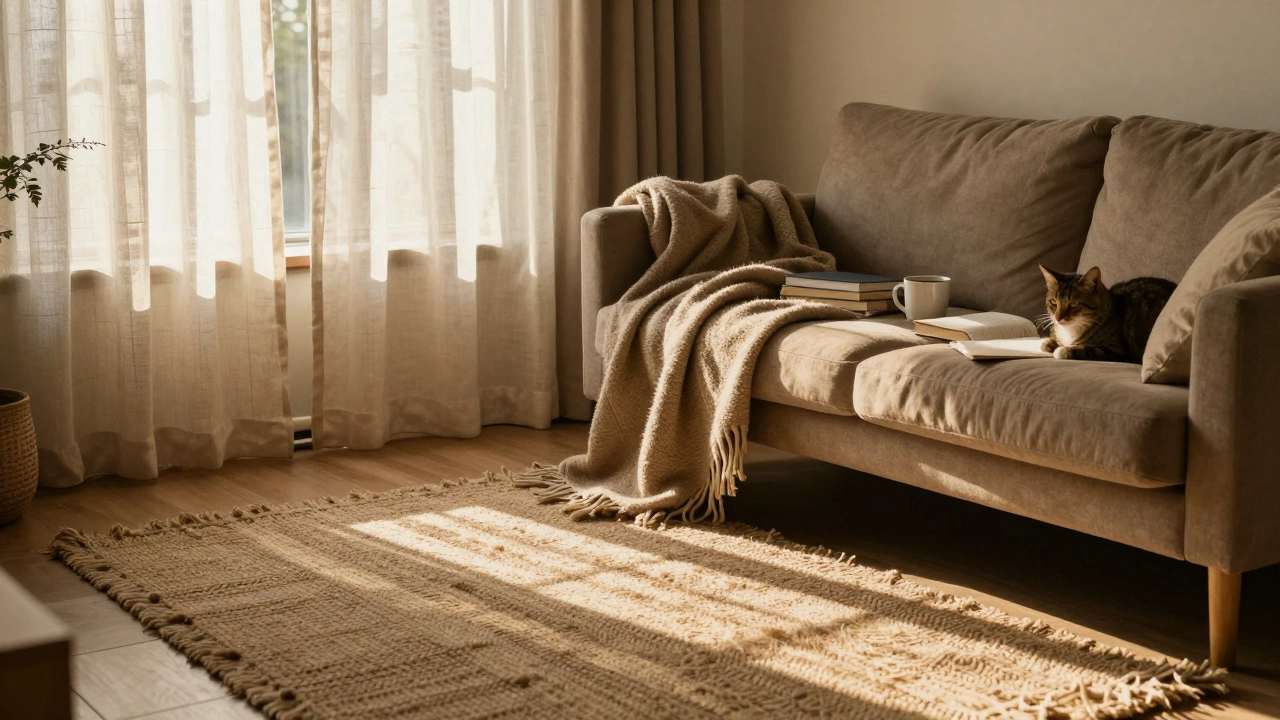
Think about the last time you walked into your home after a long day. Did you feel it? That quiet pull toward the couch, the way the light fell across the rug, the smell of coffee still lingering from this morning. That’s not just decor. That’s your interior. And yes-it still exists. Even now, in a world of video calls, remote work, and streaming everything, the idea of a home interior hasn’t vanished. It’s just changed shape.
What even is a home interior anymore?
We used to think of home interiors as rooms with matching furniture, curated art on the walls, and a coffee table stacked with design magazines. But that version of home? It’s outdated. The pandemic didn’t just change how we work-it rewired how we live. Now, a home interior isn’t about perfection. It’s about presence.
That corner where you leave your shoes? That’s part of it. The blanket draped over the armchair because you fell asleep watching a show? That’s part of it. The kitchen counter still covered in last week’s groceries because you haven’t gotten around to cleaning it? That’s part of it too. A modern home interior isn’t a showroom. It’s a living system. A collection of habits, memories, and small rituals that make you feel safe.
Studies from the University of Auckland in 2024 found that people who described their homes as "responsive"-meaning they adapted to their daily rhythms-reported 40% higher levels of emotional well-being than those trying to maintain a "perfect" look. That’s not a trend. That’s a truth.
The death of the "perfect" living room
Remember the Instagram living rooms? White sofas, geometric lamps, one plant in a concrete pot. No fingerprints. No toys. No dog hair. That version of home wasn’t inviting-it was intimidating. And it was never meant for real life.
Today, people are ditching the "aesthetic" for something more honest. A couch that’s seen three kids, two cats, and a pandemic. A bookshelf that holds half novels, half takeout menus. A rug that’s been vacuumed once since last winter. These aren’t flaws. They’re evidence. Evidence that you’ve lived here.
Designers in Wellington, like those at Studio Tūī, are now asking clients one question before they start: "What do you do here?" Not "What do you want it to look like?" But "What happens in this space?" The answer shapes everything. If you work from home, the living room becomes a hybrid office. If you cook often, the dining table turns into a prep station. The interior isn’t fixed. It evolves.
Materials that breathe
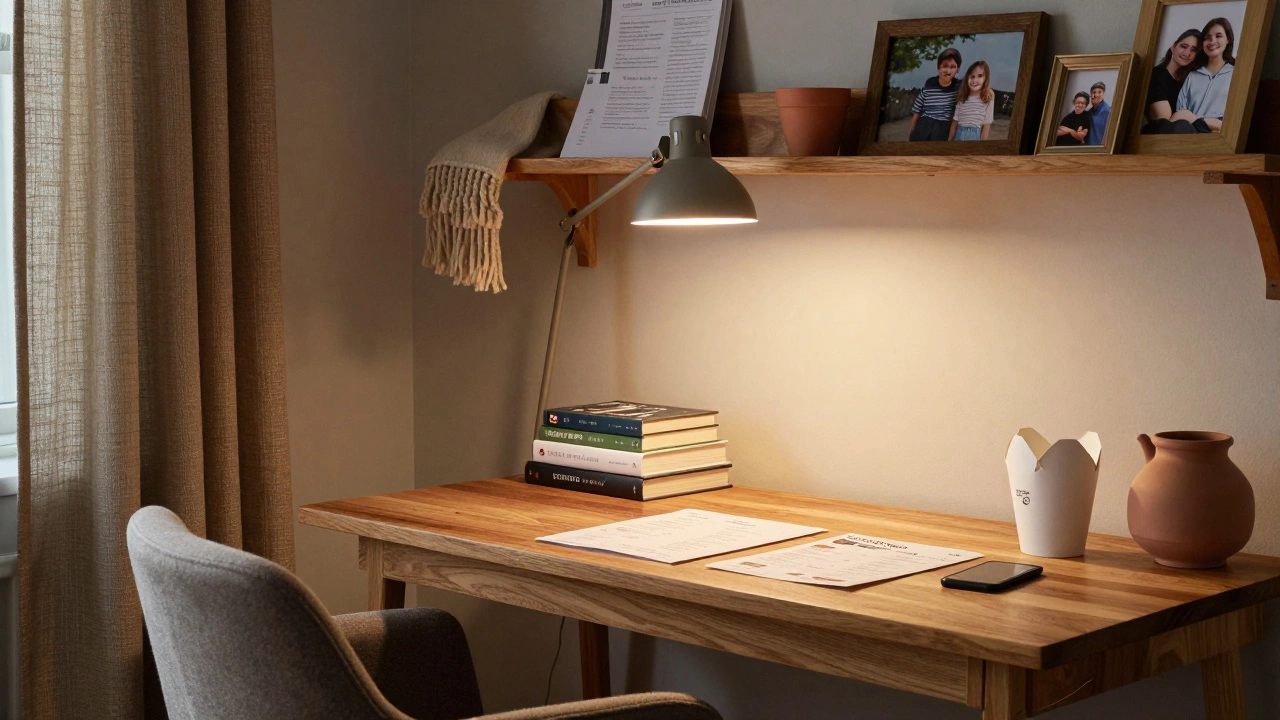
What you choose to put in your home matters less than what it does. A polished concrete floor might look sleek, but if it’s cold underfoot in winter and echoes every footstep, it’s not serving you. Natural materials are back-not because they’re trendy, but because they work.
Wool rugs absorb sound and humidity. Timber shelves warm up in sunlight. Linen curtains soften the light. Clay pots regulate moisture. These aren’t just pretty choices. They’re quiet helpers. In Wellington’s damp climate, homes that use breathable materials report fewer mold issues and better sleep quality. The science is clear: your home should interact with the environment, not fight it.
One homeowner in Lower Hutt replaced her synthetic curtains with handwoven flax panels. She didn’t do it for aesthetics. She did it because the old ones trapped damp air. Within weeks, her allergies improved. That’s not decor. That’s care.
The quiet rebellion of clutter
The minimalist movement told us to get rid of everything. But here’s what nobody said: you don’t need to live in an empty room to feel calm. You need to live in a room that feels like yours.
Clutter isn’t the enemy. Misplaced clutter is. A pile of books next to your reading chair? That’s intentional. A stack of mail on the entry table? That’s temporary. But a drawer full of broken chargers and mismatched socks? That’s noise. The difference is in intention.
Try this: pick one surface in your home-a side table, a windowsill, a shelf. Now ask: does every item on it bring me joy, serve a function, or remind me of someone I love? If not, move it. Not throw it away. Just move it. Out of sight, not out of mind.
That’s the new rule: less about what you own, more about what you keep close.
Lighting that listens
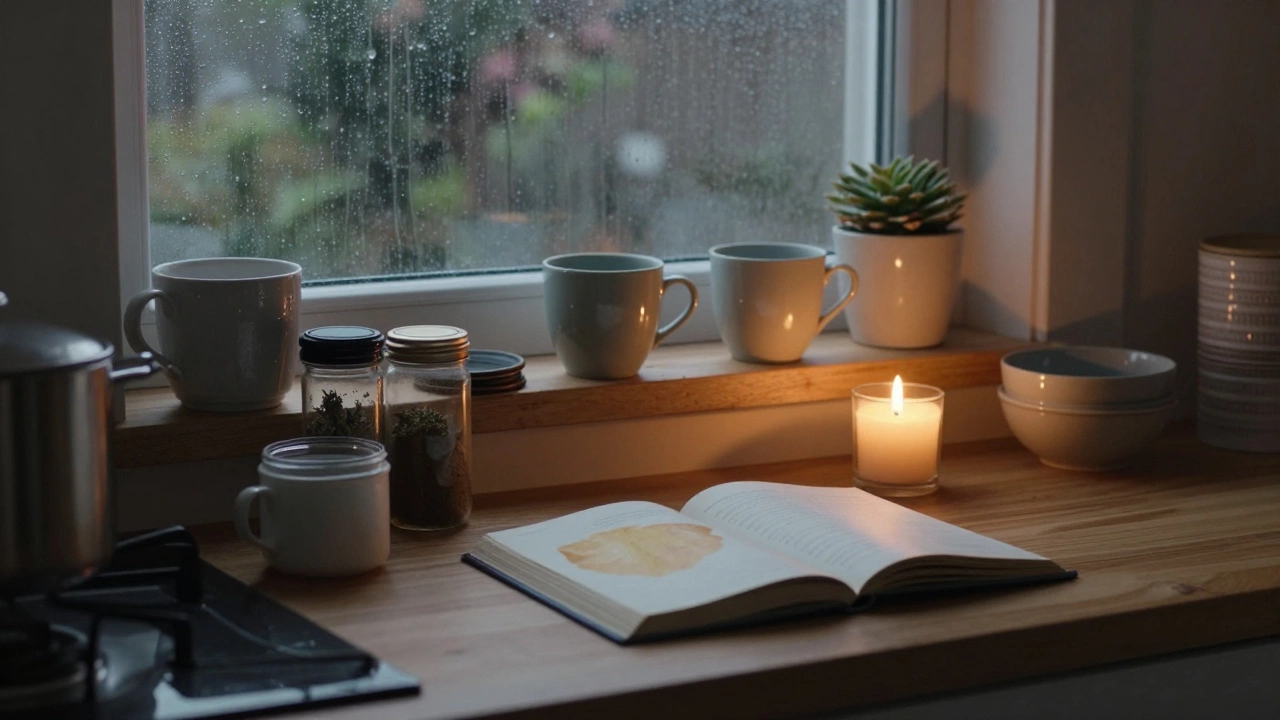
Lighting is the silent backbone of any interior. But most homes still use one switch. One light. One setting. That’s like wearing the same shoes for hiking, running, and sleeping.
Modern home interiors use layered lighting: ambient, task, and accent. A ceiling lamp isn’t enough. You need a floor lamp near the chair where you read. A dimmable strip under the kitchen cabinets for late-night snacks. A small table lamp on the bedside that doesn’t blind you when you wake up at 3 a.m.
LED bulbs with adjustable color temperature (warm to cool) let you match light to your mood. Warm light at night helps your body wind down. Cooler light in the morning helps you wake up. It’s not magic. It’s biology.
One study from the University of Otago showed that homes with adjustable lighting had 30% fewer reports of insomnia. You don’t need smart systems. Just three lamps with dimmers. That’s all it takes.
Your home isn’t a stage. It’s a sanctuary.
The idea of a home interior isn’t dead. It’s just been misunderstood. You don’t need to buy new furniture. You don’t need to repaint every room. You don’t need to follow a trend.
You just need to notice what already works. What makes you sigh with relief when you walk in? What makes you pause, even for a second, before you move on? That’s your interior. It’s not about how it looks. It’s about how it feels.
That’s why, even in 2026, people still talk about their homes like they’re alive. Because they are. Not because they’re perfect. But because they’re real.
Is there still a point in having a home interior if I work from home?
Absolutely. Working from home doesn’t erase the need for a personal space-it makes it more important. Your home interior should support both your work and your rest. That means having a clear boundary between zones, even if they’re in the same room. A desk facing away from the bed, a lamp that turns off after 8 p.m., a chair that supports your back-these aren’t luxuries. They’re necessities for mental health.
Can a messy home still have a good interior?
Yes. A home interior isn’t about cleanliness-it’s about meaning. A messy kitchen with coffee cups and recipe books? That’s a home where meals are made. A living room with socks under the couch? That’s a home where people relax. The key isn’t tidiness. It’s intention. If the mess feels like part of your life, not a burden, then it belongs.
What’s the cheapest way to improve my home interior?
Start with light. Swap one harsh overhead bulb for a warm, dimmable lamp. Add a rug that feels good underfoot. Hang one piece of art or a photo that makes you smile. These cost under $50 but change how you feel in the space. You don’t need a renovation-you need a moment of attention.
Do I need to follow interior design trends?
No. Trends come and go. What lasts is what fits your life. If you love bold colors, go for it. If you prefer quiet neutrals, stick with them. The best interiors aren’t copied from magazines-they’re built from habits, memories, and small daily choices. Your home should reflect you, not a Pinterest board.
How do I know if my home interior is working?
Ask yourself this: when you walk in, do you feel lighter or heavier? Do you want to stay, or do you want to leave? If you feel calm, seen, and safe-even for a few minutes-you’ve got it right. Your body knows before your mind does. Trust that.