Daily Mental Wellbeing Tracker
Track Your Wellbeing Habits
Check off the small actions you've done today across different wellbeing areas. These tiny moments build your mental wellbeing over time.
When people talk about mental wellbeing, they often mean the same thing as mental health-but it’s not just the absence of illness. Mental wellbeing is about how you feel, think, and cope day to day. It’s the quiet confidence you have when you wake up, the calm you feel after a deep breath, the connection you have with someone who gets you. It’s not something you achieve once and keep forever. It’s something you build, lose, and rebuild, often in small ways.
Emotional Health Is the Core
At the heart of mental wellbeing is emotional health. This isn’t about being happy all the time. It’s about being able to feel sadness, anger, or frustration without falling apart. It’s knowing you can cry after a bad day and still get up the next morning. People with strong emotional health don’t bottle things up. They name their feelings-"I’m overwhelmed," "I’m lonely," "I’m proud of myself"-and that naming alone reduces their power.
Research from the World Health Organization shows that people who regularly label their emotions report lower levels of anxiety and better sleep. It’s not magic. It’s practice. Keeping a simple journal for five minutes a day, just writing down one emotion and why you felt it, builds this skill over time.
Stress Management Isn’t About Eliminating Stress
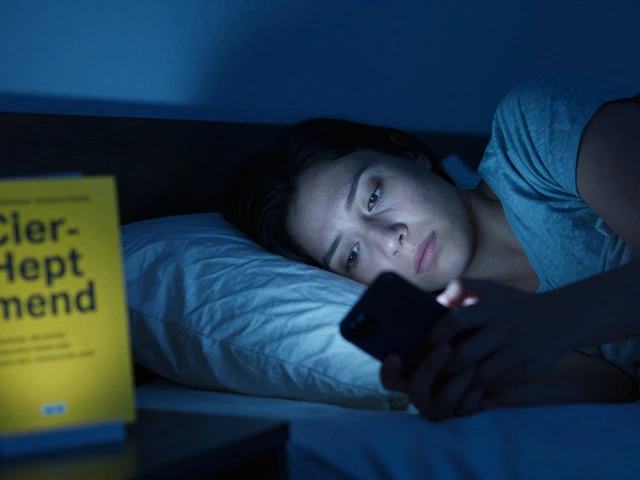
Stress isn’t the enemy. Deadlines, traffic, family demands-they’re part of life. What matters is how your body and mind respond to them. Chronic stress, the kind that lasts for weeks or months without relief, wears down your immune system, messes with your sleep, and makes anxiety worse.
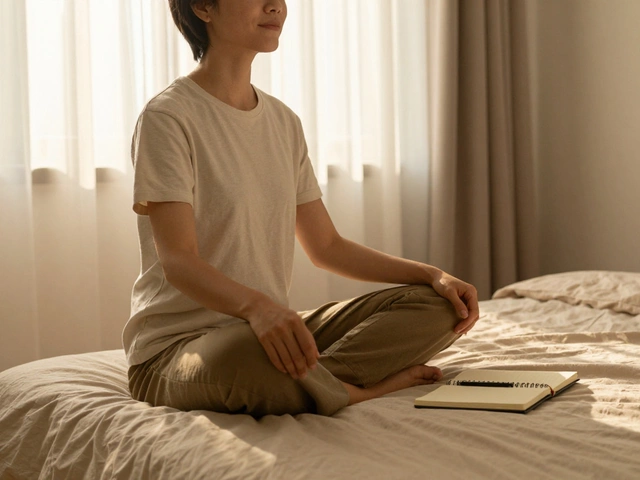
Good mental wellbeing means having tools to reset. For some, it’s walking around the block without checking their phone. For others, it’s five minutes of breathing while sitting in the car before going inside. In New Zealand, where many people live near nature, spending time outside-even just listening to birds-has been shown to lower cortisol levels by up to 21% in under 30 minutes, according to a 2023 study from the University of Otago.
You don’t need a spa day. You need a moment where your brain stops racing. That’s the real skill.
Connection Is Not Optional
Humans aren’t wired to go it alone. Loneliness isn’t just a bad feeling-it’s a health risk. A 2024 meta-analysis found that chronic loneliness increases the risk of early death by 29%, similar to smoking 15 cigarettes a day. That’s not a scare tactic. It’s data.
Mental wellbeing thrives on real, low-pressure connection. It’s not about having 500 friends on social media. It’s about having one person you can text at 2 a.m. and know they’ll reply with "I’m here," not a emoji. It’s calling your sibling just to say, "I saw this and thought of you." It’s sitting in silence with a friend and not feeling the need to fill it.
Community matters too. Whether it’s a local book club, a volunteer group, or even a weekly chess game at the park, belonging to something outside yourself gives life meaning. That’s not fluffy advice. It’s biology.

Self-Care Is More Than Bubble Baths
When you hear "self-care," you might picture candles and face masks. But real self-care is the quiet, daily choices that say: "I matter."
- Getting enough sleep-not because you "should," but because your body needs it to process emotions
- Eating meals that fuel you, not just what’s quick or convenient
- Saying no to extra work when you’re already full
- Turning off notifications after 7 p.m.
- Letting yourself rest without guilt
These aren’t luxuries. They’re maintenance. Just like you change the oil in your car, your mind needs regular tune-ups. Skipping them doesn’t make you strong. It makes you brittle.
Purpose and Meaning Give You Anchor Points
When everything feels chaotic, purpose acts like a compass. It doesn’t have to be grand. It doesn’t have to be your job. It could be raising your kids, caring for a pet, fixing things around the house, or writing poems no one else reads.
A 2025 study from the University of Auckland tracked 1,200 adults over two years. Those who reported having even one small, consistent source of meaning-like gardening, mentoring a teenager, or keeping a family photo album-had 34% lower rates of depression and burnout. Purpose doesn’t need to change the world. It just needs to matter to you.
Ask yourself: "What do I do that makes me feel like I’m contributing, even in a tiny way?" That’s your anchor.
Physical Movement Isn’t Just for the Body
Exercise isn’t just about losing weight or getting fit. It’s one of the most effective ways to improve your mental state. Walking, dancing, swimming, cycling-any movement that gets your heart pumping releases endorphins and reduces stress hormones.
You don’t need to run a marathon. A 20-minute walk three times a week is enough to see real changes in mood. In fact, a 2024 review in The Lancet Psychiatry found that people who moved regularly reported better sleep, less anxiety, and improved focus-even if they didn’t lose weight.
The key is consistency, not intensity. Find something you don’t dread. If you hate the gym, don’t go. Dance in your kitchen. Walk while listening to a podcast. Stretch while watching TV. Movement that feels good stays.

Boundaries Protect Your Energy
Many people think mental wellbeing means being nice all the time. It doesn’t. It means knowing where you end and others begin.
Healthy boundaries are quiet. They’re saying, "I can’t take on more right now." They’re turning off work emails after hours. They’re leaving a conversation that drains you. They’re choosing not to engage with toxic people-even if they’re family.
Setting boundaries isn’t selfish. It’s survival. Without them, you burn out. With them, you have energy left for what truly matters.
Acceptance, Not Perfection
One of the biggest traps in mental wellbeing is chasing perfection. The idea that you should always be calm, productive, positive, and put-together is a myth. It’s a marketing lie dressed up as self-help.
Real mental wellbeing includes accepting that some days you’ll cry in the shower. Some days you’ll forget to eat. Some days you’ll snap at someone you love. And that’s okay. What matters isn’t how often you fall-it’s how gently you pick yourself up.
Self-compassion-the practice of treating yourself like you would treat a good friend-is one of the strongest predictors of long-term mental health. Studies show people who practice self-compassion recover faster from setbacks and are less likely to spiral into shame.
Try this: Next time you mess up, say out loud: "This is hard right now. I’m doing my best." It sounds simple. It changes everything.
When to Seek Help
Mental wellbeing isn’t about fixing yourself alone. There’s no shame in asking for help. If you’ve felt stuck for more than two weeks-if you can’t sleep, can’t focus, or feel numb most days-it’s not weakness to reach out. It’s wisdom.
Therapy, counseling, or even talking to your doctor can make a difference. In New Zealand, services like Lifeline and Mental Health Foundation offer free or low-cost support. You don’t need a crisis to deserve help. You just need to care enough to ask.
Is mental wellbeing the same as mental health?
They’re closely related but not the same. Mental health refers to your overall psychological state-including conditions like depression or anxiety. Mental wellbeing is about how you’re functioning and feeling day to day, even if you have a diagnosed condition. Someone can have depression and still have moments of mental wellbeing-like feeling connected to a friend or finding joy in a small task.
Can mental wellbeing be measured?
Yes, in broad terms. Tools like the Warwick-Edinburgh Mental Wellbeing Scale (WEMWBS) ask people to rate how often they feel optimistic, relaxed, or connected. These aren’t perfect, but they show trends. More importantly, you can notice changes in yourself: Are you sleeping better? Do you feel less on edge? Can you laugh again? Those are real signs.
Does money affect mental wellbeing?
Money doesn’t buy happiness, but financial stress is one of the biggest drains on mental wellbeing. Worrying about bills, debt, or job security keeps your body in fight-or-flight mode. Having enough to cover basics-food, shelter, safety-creates space for peace. Beyond that, it’s how you use money that matters: spending on experiences, not things, tends to boost wellbeing more.
What if I don’t have time for self-care?
You don’t need hours. Mental wellbeing is built in micro-moments: one deep breath before answering a call, five minutes of quiet with your coffee, stepping outside to feel the sun. These tiny acts add up. It’s not about adding more to your plate-it’s about removing the noise so you can hear yourself again.
Can mental wellbeing improve without therapy?
Yes, for many people. Small, consistent habits-sleep, movement, connection, boundaries-can dramatically improve how you feel. But if you’re stuck, overwhelmed, or feeling hopeless for weeks, therapy isn’t a last resort. It’s a tool, like a bandage for a wound. You don’t wait until it’s infected to use one.
If you’re reading this and thinking, "I’m not doing any of this right," that’s okay. Mental wellbeing isn’t a checklist. It’s a practice. Some days you’ll feel strong. Other days, just getting out of bed is the win. Keep going. You’re already on the path.