Skincare Philosophy Finder
Answer a few quick questions to find out which beauty philosophy aligns with your current skin needs.
What is your primary skin goal right now?
Hydration, plumpness, and light-reflecting radiance.
Smooth texture, purity, and a healthy matte-luminous look.
How do you feel about your current routine?
I enjoy trying new ingredients, layers, and trendy products.
I prefer high-quality basics and a streamlined, precise ritual.
What is your skin's biggest struggle?
Skin feels tight or looks "flat".
Prone to redness or reacts to actives.
Some dryness, some congestion, mixed needs.
Your Recommended Path:
Quick Takeaways:
- K-beauty is about innovation, hydration, and achieving the "glass skin" look.
- J-beauty focuses on quality, minimalism, and long-term skin health.
- Choose Korean skincare if you love trying new ingredients and want a high-glow finish.
- Choose Japanese skincare if you have sensitive skin or prefer a "less is more" approach.
The Spirit of K-Beauty: Innovation and the Glow
When people talk about K-beauty, they're usually talking about a culture of constant evolution. In South Korea, skincare is an art form. The goal isn't just to fix a problem after it happens, but to prevent it from ever starting. This is why you see such a heavy emphasis on hydration and protection.
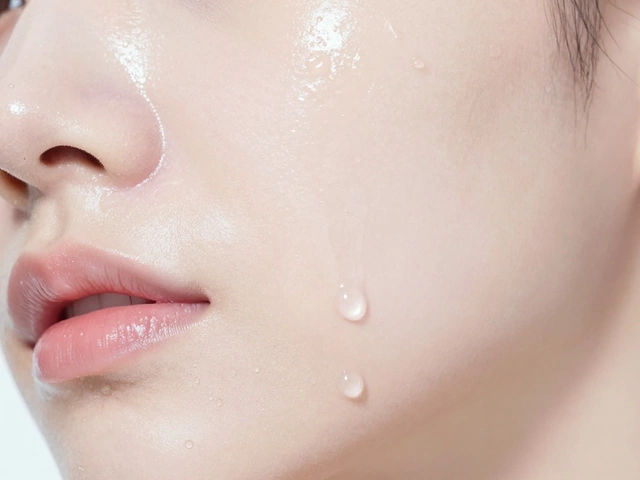
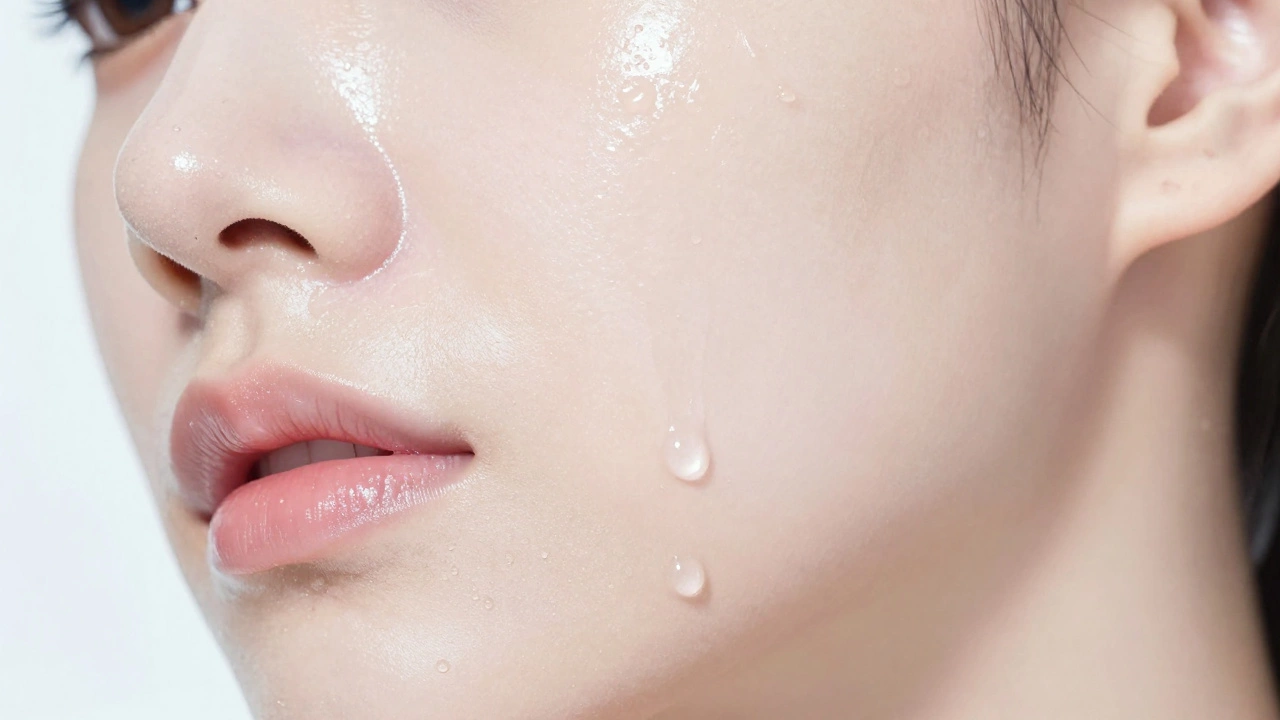
The most famous outcome of this approach is Glass Skin, a look where the skin is so hydrated and smooth it practically reflects light. To get there, K-beauty uses a layering technique. Instead of one thick cream, you apply several thin, watery layers-like toners and essences-that soak deep into the skin. Have you ever tried a snail mucin essence? It sounds wild, but it's a staple for a reason: it delivers intense moisture and repairs the skin barrier without feeling greasy.
Korean brands aren't afraid to experiment. They were some of the first to popularize Cushion Compacts and BB creams, blending makeup with skincare. If you love the thrill of a new ingredient-like centella asiatica or fermented rice water-K-beauty is your playground. It's fast-paced, trendy, and incredibly effective at giving you that plump, dewy look.
The Art of J-Beauty: Precision and Purity
Across the sea, J-beauty takes a different path. While Korea is about the "new," Japan is about the "perfect." Japanese skincare is rooted in the concept of shokunin, or craftsmanship. They don't release a product just because it's trendy; they refine a formula for years until it's flawless.
The core goal here isn't a high-gloss glow, but rather a healthy, clear, and matte-yet-luminous complexion. J-beauty leans heavily on minimalism. You won't find as many ten-step routines here. Instead, the focus is on high-quality basics that do their job perfectly. Think of it as a curated wardrobe for your face-only the essentials, but each piece is made of the finest material.
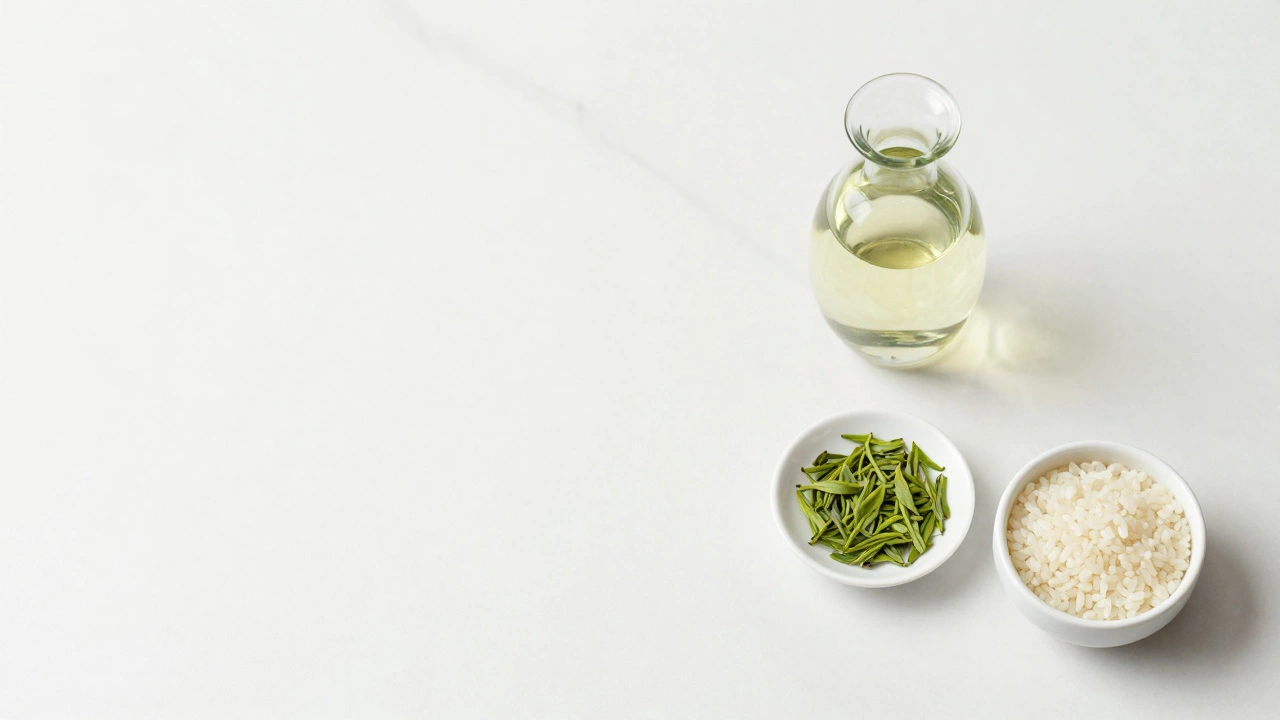
A huge part of the Japanese approach is the use of Double Cleansing. While Korea also uses this, Japan perfected the ritual of using a high-quality oil cleanser followed by a gentle foaming wash to ensure every microscopic particle of pollution is gone. They also champion ingredients like sake and green tea, which soothe the skin and provide subtle antioxidants without causing irritation.
Breaking Down the Core Differences
To decide which one is better for you, it helps to see how they stack up side-by-side. It really comes down to your skin type and how much time you actually want to spend in front of the mirror every morning.
| Feature | Korean Skincare (K-Beauty) | Japanese Skincare (J-Beauty) |
|---|---|---|
| Primary Goal | Dewy, "Glass" finish | Clear, healthy, refined skin |
| Philosophy | Innovation and Layering | Minimalism and Perfection |
| Routine Length | Often complex (7-10 steps) | Simplified (3-5 steps) |
| Ingredient Trend | Experimental (e.g., Snail Mucin) | Traditional (e.g., Rice, Green Tea) |
| Skin Target | Hydration and Brightening | Barrier Repair and Purity |
Who Wins for Specific Skin Concerns?
Depending on what you're fighting-acne, aging, or just dryness-one region usually has a slight edge. Let's get specific.
For Dry and Dehydrated Skin: K-beauty is the clear winner. Their mastery of Hyaluronic Acid and various hydrating serums means they can turn a desert-dry face into a plump, hydrated one in a few days. If your skin feels tight and looks dull, the layering approach of Korean essences will be a game-changer.
For Sensitive or Reactive Skin: J-beauty is usually the safer bet. Because they prioritize stability and purity over trendiness, their formulas are often less likely to cause a reaction. If you find that a lot of "active" ingredients make your face red or itchy, the gentle, refined nature of Japanese lotions and cleansers will feel like a relief.
For Anti-Aging and Texture: It's a tie, but for different reasons. K-beauty attacks aging with preventative hydration and brighteners (like Vitamin C). J-beauty focuses on the structural integrity of the skin, using ingredients that promote elasticity and a smooth, poreless texture. If you want to prevent wrinkles, go Korean. If you want to refine the skin you have, go Japanese.
Common Pitfalls to Avoid
Regardless of which path you choose, there are a few traps people fall into. First is the "more is better" fallacy. Just because a K-beauty routine has ten steps doesn't mean your skin needs ten steps. In fact, over-layering can lead to congestion or breakouts if you're using products that are too heavy for your skin type. Start with the basics: cleanse, moisturize, and protect.
Another mistake is switching everything at once. If you decide to move from a Western routine to a J-beauty one, don't swap five products in one day. If your skin reacts, you'll have no idea which product caused the problem. Introduce one new entity at a time-maybe start with a Japanese oil cleanser-and see how your skin behaves for a week before adding a new serum.
Finally, don't ignore the importance of Sunscreen. Both cultures treat SPF as non-negotiable. Whether you're using a lightweight Korean gel or a high-protection Japanese essence, skipping this step makes the rest of your routine pointless. The sun is the primary cause of premature aging, and both regions have perfected the art of making SPF feel like a moisturizer rather than a thick, white paste.
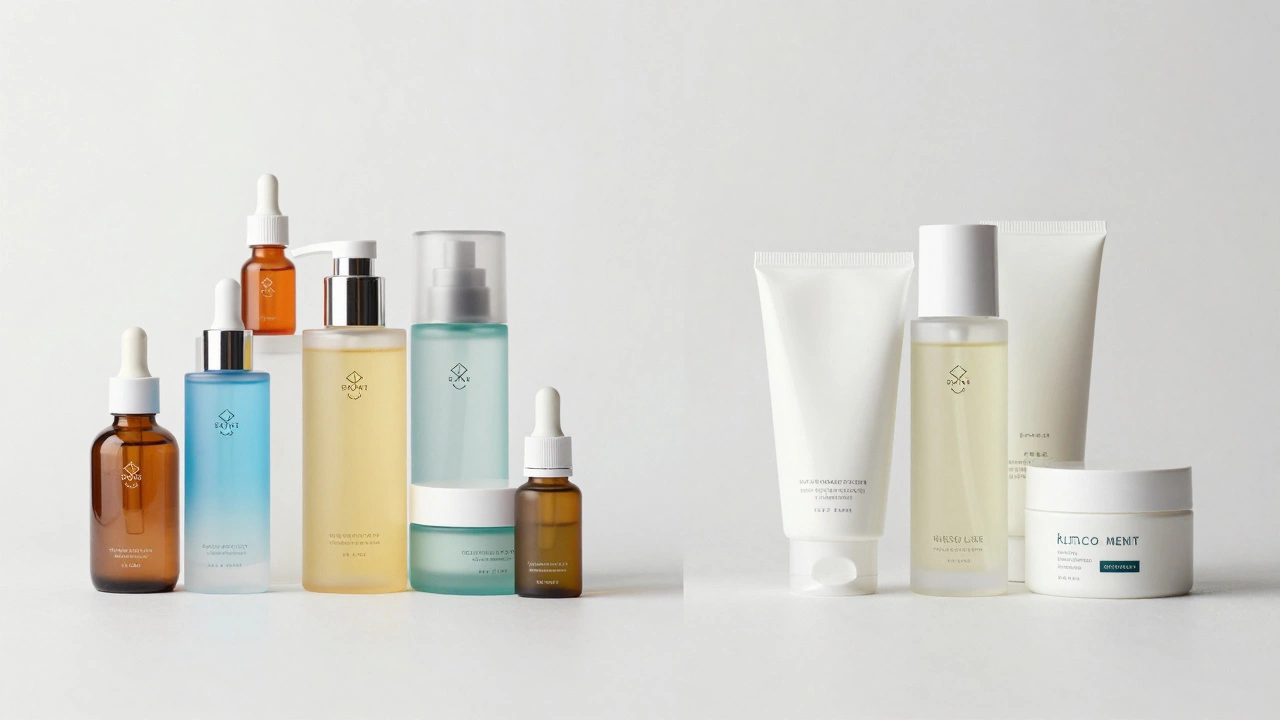
The Hybrid Approach: Why Choose?
Here is a secret: you don't actually have to pick a side. Some of the best results come from mixing the two. Why not use a Japanese double-cleansing method to get your skin perfectly clean, and then use a Korean hydrating essence to get that glow?
Mixing them allows you to capitalize on the strengths of both worlds. You can use J-beauty's disciplined approach to cleansing and barrier repair, then layer in the innovative brightness of K-beauty serums. This "best of both worlds" strategy ensures you aren't just following a trend, but are actually building a routine based on what your skin needs today.
Is Korean skincare better for acne-prone skin?
K-beauty is often better for active acne because it offers more targeted, innovative treatments like centella asiatica and tea tree blends. However, if your acne is caused by a damaged skin barrier, the soothing, minimalist approach of J-beauty might be more effective at calming the inflammation first.
Do I really need 10 steps in a Korean routine?
Absolutely not. The ten-step routine is more of a marketing framework and a luxury ritual than a medical necessity. For most people, a simplified version consisting of a cleanser, toner, moisturizer, and SPF is plenty. You can add essences or masks only when your skin feels like it needs extra help.
What is the biggest difference between a Korean essence and a Japanese lotion?
In K-beauty, an essence is typically a concentrated hydrating step that prepares the skin for serums. In J-beauty, a "lotion" is actually a watery, lightweight liquid that acts like a cross between a toner and a moisturizer. While they seem similar, J-beauty lotions are often more focused on refining skin texture, while K-beauty essences focus on deep hydration.
Are Japanese products more expensive than Korean ones?
Generally, J-beauty brands lean toward a more premium pricing model because they invest heavily in long-term research and high-grade purity of ingredients. K-beauty often has a wider range of price points, from very affordable "road shop" brands to high-end luxury lines, making it more accessible for beginners.
Can I mix K-beauty and J-beauty products?
Yes, and it's often recommended. Since both regions prioritize hydration and gentle ingredients, they generally play well together. The key is to avoid over-exfoliating. For example, don't use a strong Korean AHA peel and a Japanese refining toner in the same session, as this could strip your skin barrier.
Next Steps for Your Skin Journey
If you're still unsure where to start, try this simple test. If you wake up and your skin feels tight, flaky, or looks "flat," start with a K-beauty hydration kit. Look for products containing hyaluronic acid or snail mucin to bring that bounce back to your cheeks.
If your skin feels congested, irritated, or you're simply tired of having a bathroom counter full of bottles, switch to a J-beauty minimalist set. Focus on a high-quality oil cleanser and a refined moisturizer. Once you've mastered the basics, you can always add a few specialized Korean serums to target specific spots. The goal isn't to follow a region's rules-it's to find what makes your skin feel comfortable and look healthy.