Atomic Habits Builder
Your Habit Strategy
Design your environment so the habit is visible
Pair with something you enjoy
Start with tiny, effortless actions
Add immediate rewards
There’s a book that sits on the shelves of therapists, CEOs, teachers, and teenagers alike. It’s not flashy. It doesn’t promise quick riches or overnight transformation. But if you read it and actually do what it says, your life changes - quietly, steadily, and for good. That book is Atomic Habits by James Clear.
Why This Book Stands Out
Most self-help books give you a motivational speech. They tell you to believe in yourself, dream big, and crush your goals. Then they disappear. You’re left with a surge of energy that fades by Tuesday.
Atomic Habits doesn’t do that. It gives you a system. A real, repeatable, science-backed way to build habits that stick. It’s not about willpower. It’s not about motivation. It’s about designing your environment so the right behavior is the easiest one to choose.
James Clear doesn’t just talk about habits. He breaks them down into four simple laws: make it obvious, make it attractive, make it easy, make it satisfying. That’s it. Four rules. No complicated jargon. No 12-step programs. Just clear, practical steps anyone can use.
How It Works in Real Life
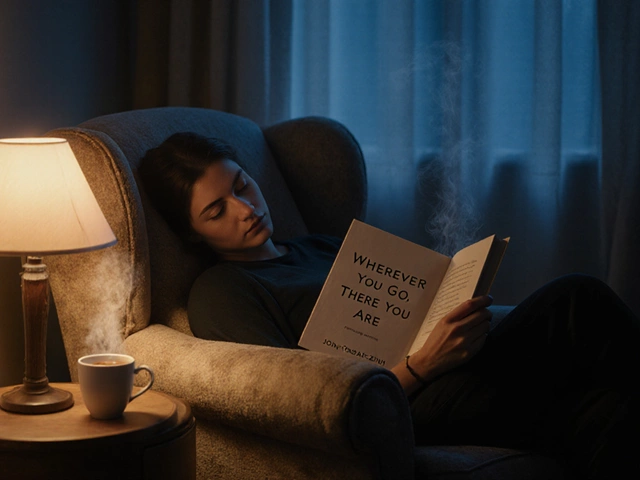
Let’s say you want to start reading more. Most people buy a new book, put it on their nightstand, and forget about it. Atomic Habits tells you to leave the book open on your pillow. Put it right where you’ll see it the moment you wake up. That’s making it obvious.
Now pair reading with something you already love - like your morning coffee. That’s making it attractive. You’re not reading to be productive. You’re reading because it’s part of your coffee ritual.
Then make it easy. Don’t aim for an hour a day. Aim for two pages. Two pages takes less than five minutes. You can do that even when you’re tired, stressed, or busy. And after you read, write down one thing you liked. That’s making it satisfying.
That’s how tiny changes compound. One day, you read two pages. The next day, you read four. Then ten. Then you finish a book. Then two. Then ten. In a year, you’ve read 20 books - not because you were disciplined, but because your system made it automatic.
The Science Behind the Simplicity
Clear doesn’t pull ideas from self-help gurus. He pulls them from neuroscience, psychology, and behavioral economics. He references studies from the University of Pennsylvania, the University of California, and the Max Planck Institute. He talks about dopamine loops, habit stacking, and the role of identity in behavior change.
One of the most powerful ideas in the book is this: you don’t rise to the level of your goals. You fall to the level of your systems. Want to be healthier? Don’t set a goal to lose 20 pounds. Set a system: walk 10 minutes after dinner every day. That’s sustainable. That’s repeatable. That’s how real change happens.
Another insight: your habits are a mirror of your identity. If you say, “I’m not a runner,” you’ll never run. But if you say, “I’m someone who moves every day,” even a short walk becomes part of who you are. The book teaches you to shift from “I want to be healthy” to “I am a healthy person.” That shift is everything.
Who This Book Is For
It’s for the person who’s tried every diet, every app, every new routine - and still feels stuck. It’s for the parent who wants to spend more time with their kids but always ends up scrolling. It’s for the student who knows they should study but can’t get past the first page of their textbook.
It’s not for people looking for a quick fix. If you want a 7-day plan to transform your life, this isn’t the book. But if you’re ready to stop chasing motivation and start building systems that work even on your worst days - this is the book you need.
What People Say After Reading It
I’ve seen people quit smoking after reading it. Not because they were scared of cancer, but because they changed their identity. “I’m not a smoker,” one woman told me. “I’m someone who breathes clean air.”
Another person started saving money by moving her savings account to a bank she couldn’t access easily. She didn’t track her spending. She just made it harder to spend and easier to save. In six months, she had $5,000 saved.
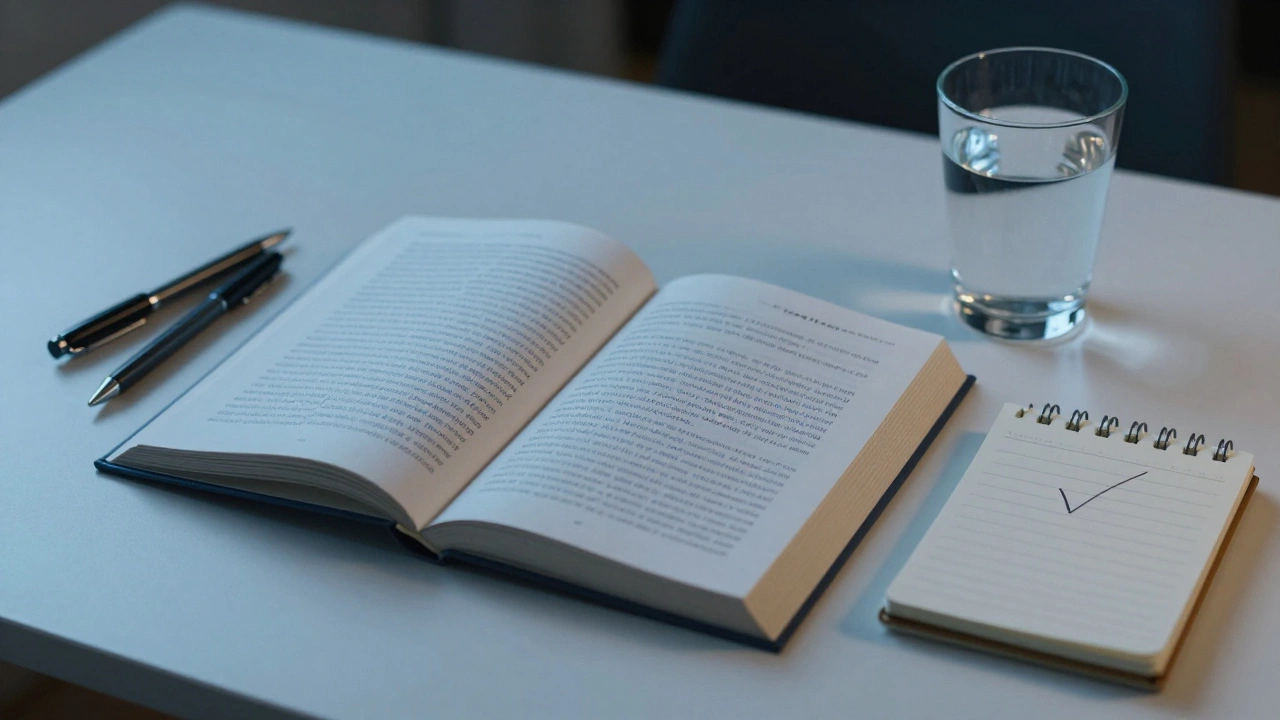
Students use it to stop procrastinating. They don’t set goals like “study for 3 hours.” They set up their desk the night before: open textbook, two pens, glass of water. Then they sit down. The habit starts before they even think about it.

Why It’s the One Book Everyone Should Read
Because habits are the invisible architecture of your life. You don’t notice them until they’re broken. Then you realize: your health, your relationships, your career - they’re all built on daily routines you never questioned.
Atomic Habits doesn’t ask you to change who you are. It asks you to change the small things around you so the person you want to become can show up without effort. That’s not magic. That’s design. And it’s the most powerful tool for personal growth anyone has ever put into words.
You don’t need to read 100 self-help books. You need to read one that shows you how to build a life that doesn’t depend on motivation. That’s this one.
What to Do After Reading
Don’t just read it. Highlight it. Write in the margins. Then pick one habit you want to build - and apply the four laws to it. Start small. Track it. Celebrate the tiny wins. After 30 days, you’ll see something you didn’t expect: you’ve become someone new. Not because you tried harder. Because you designed your days better.
Is Atomic Habits only for people who want to get fit or be more productive?
No. The principles in Atomic Habits apply to every area of life - relationships, creativity, mental health, parenting, even managing anxiety. The book teaches you how to design your environment and routines so good behaviors happen naturally, whether you’re trying to sleep better, stop snapping at your partner, or finally start writing that novel.
Do I need to read the whole book to benefit from it?
You don’t need to read every page, but you should read the first four chapters and the conclusion. That’s where the core four laws are explained. The rest gives examples and deeper context, but the real power comes from applying those four rules. Many people reread only those sections and still see big changes.
Is this book too basic? I’ve read other self-help books before.
It’s not basic - it’s precise. Most self-help books are full of stories and vague advice. Atomic Habits cuts through the noise. It gives you a clear framework you can test immediately. If you’ve read other books and felt like nothing stuck, this one works because it’s not about inspiration - it’s about architecture.
What if I fail at building a habit? Does that mean the book doesn’t work?
Failure isn’t the opposite of success - it’s feedback. If a habit didn’t stick, it’s because one of the four laws wasn’t applied well. Maybe it wasn’t obvious enough, or too hard to start. The book doesn’t promise perfection. It promises a way to keep adjusting until it works. That’s the difference between a motivational book and a practical one.
Is there a newer or better book than Atomic Habits?
There are other good books on habits - like The Power of Habit by Charles Duhigg - but none combine simplicity, science, and actionable steps as clearly. Atomic Habits is the most widely recommended for beginners and experts alike. It’s been translated into 50+ languages and sold over 15 million copies. That’s not luck. That’s impact.
Final Thought
You won’t remember every page of this book. But you’ll remember how you felt after applying it. That quiet sense of control. The realization that you didn’t need to be perfect - just consistent. That’s the real gift of Atomic Habits. It doesn’t change you in a day. It changes you in a way that lasts.