Balanced Plate: What It Really Means for Health, Food, and Daily Living
When we talk about a balanced plate, a visual guide to eating that divides your meal into portions of protein, vegetables, grains, and healthy fats. Also known as plate method, it’s not about strict rules—it’s about making simple choices that add up over time. You don’t need to count calories or eliminate carbs. You just need to fill half your plate with vegetables, a quarter with protein, and the rest with whole grains or starchy foods. That’s it. And it works whether you’re cooking for one, feeding a family, or trying to eat better on a tight budget.
The idea behind a balanced plate isn’t new, but it’s become more relevant than ever. With rising food costs and confusion over what’s ‘healthy,’ people are looking for something real—not another fad. The balanced plate, a practical framework for portion control and nutrient variety ties directly into how you shop, cook, and even think about food waste. Look at the posts here: you’ll find guides on eating healthy for under $20 a week, using coffee grounds in the garden, and choosing sustainable fashion. All of it connects. Eating well isn’t just what’s on your plate—it’s how your food was grown, who made it, and what happens to the scraps. A balanced plate, a tool for both personal health and environmental responsibility asks you to think beyond the fork.
It’s not about perfection. It’s about consistency. You can still have pizza. You can still eat out. But when you build meals around vegetables, lean proteins, and whole grains, your body notices. You feel less sluggish. Your energy stays steadier. You start craving real food again. And when you pair that with smart shopping—like choosing seasonal veggies or buying in bulk—you save money and reduce waste. That’s why the posts here cover everything from lazy gardening to food safety controls. They’re all part of the same system: eating well means living well, and living well means making choices that last.
What you’ll find below isn’t a list of diets. It’s a collection of real strategies that fit into everyday life. Whether you’re trying to stretch your grocery budget, avoid food waste, or just eat without stress, the articles here show you how a balanced plate isn’t a goal—it’s a habit. And habits, when they’re simple and smart, change everything.
Essential Dinner Components for a Healthy Family Meal

Break down what every dinner needs for nutrition, joy, and ease. Make dinnertime the best time with practical tips and real-life ideas, straight from a busy Kiwi mum.
Categories
RECENT POSTS

What Exercise Burns the Most Belly Fat? The Truth About Spot Reduction and Home Workouts
Discover the truth about burning belly fat. Learn why spot reduction fails and how HIIT, strength training, and home equipment like kettlebells can help you lose visceral fat effectively.
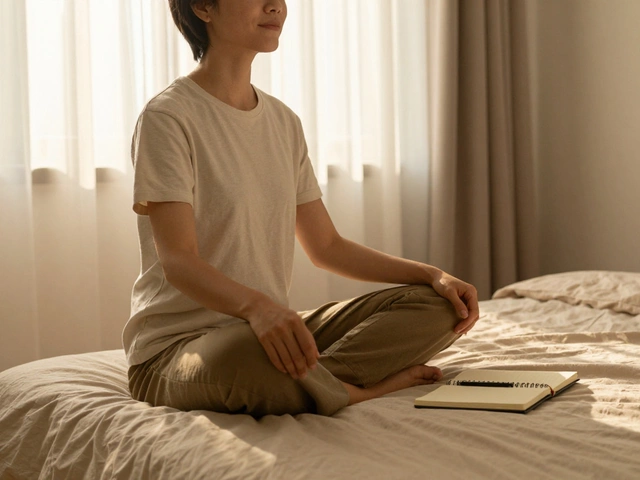
How to Heal Your Mind: Simple, Science-Backed Steps for Mental Wellbeing
Healing your mind starts with simple, daily habits - breath, movement, writing, connection, rest, and letting go of "should." Science-backed and practical, these steps help rebuild mental wellbeing without overwhelm.

What Falls Under Mental Wellbeing? A Simple Breakdown of Key Areas
Mental wellbeing includes emotional health, stress management, connection, self-care, purpose, movement, boundaries, and self-compassion. It's not about being perfect-it's about showing up for yourself daily.

What Is Work-Life Balance? A Practical Guide to Redefining Your Time
Discover what work-life balance truly means in 2026. Move beyond the 50/50 myth and learn practical strategies to prevent burnout, set boundaries, and integrate work and life sustainably.

What Is a Good Meal Prep Schedule? Simple Plan for Busy Weeks
A good meal prep schedule fits your real life-not a perfect one. Learn how to plan weekly meals in under two hours, avoid common mistakes, and eat better without stress.