Sustainable Fashion Impact Calculator
Your Sustainability Report
Water Saved Annually
Textile Waste Avoided
CO2 Emissions Reduced
Look at your closet. How many shirts have you worn in the last month? If the answer is fewer than five, you are not alone. We live in a world where clothes are cheaper than ever, but the cost to our planet is skyrocketing. The term sustainable fashion gets thrown around constantly by brands trying to look green, but what does it actually mean for you and your wardrobe?
Sustainable fashion isn't just about wearing hemp or buying from expensive boutique labels. It is a holistic approach to how clothes are designed, produced, used, and disposed of. It challenges the traditional model of "fast fashion," which relies on cheap labor, massive waste, and rapid trend cycles. Instead, it focuses on longevity, ethics, and environmental responsibility. In 2026, this shift is no longer a niche trend; it is a necessity driven by climate urgency and consumer awareness.
The Three Pillars of Sustainable Fashion
To understand sustainable fashion, you need to break it down into its core components. It rests on three pillars: environmental, social, and economic sustainability. Most people focus only on the environment, but the social aspect is equally critical.
Environmental sustainability looks at the impact of clothing production on the earth. This includes water usage, chemical pollution, carbon emissions, and textile waste. For example, producing a single cotton t-shirt can require up to 2,700 liters of water-enough for one person to drink for two and a half years. Sustainable practices aim to reduce this footprint through organic farming, closed-loop recycling systems, and low-impact dyes.
Social sustainability, often called ethical fashion, focuses on the people who make our clothes. The fashion industry has a dark history of exploitation, from unsafe working conditions in factories to unpaid wages. Ethical brands ensure fair pay, safe workplaces, and respect for workers' rights. When you buy sustainably, you are voting for a system that values human dignity over speed and profit.
Economic sustainability ensures that the business model itself is viable long-term without exploiting resources or people. It supports local economies, encourages transparency, and promotes a circular economy where materials are kept in use rather than discarded.
Fast Fashion vs. Slow Fashion: The Core Conflict
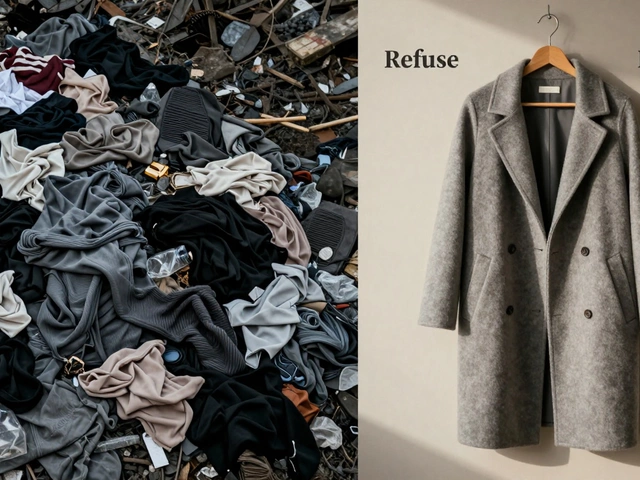
You cannot understand sustainable fashion without understanding its opposite: fast fashion. Fast fashion is characterized by rapid production cycles, low prices, and high volume. Brands release new collections weekly, encouraging consumers to buy more and wear items less. This model generates nearly 92 million tons of textile waste annually.
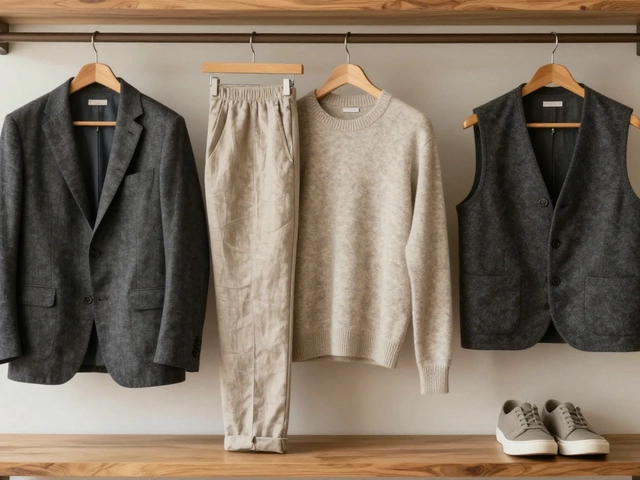
In contrast, slow fashion emphasizes quality over quantity. It encourages buying fewer, better-made items that last for years. Slow fashion designers often use timeless styles rather than fleeting trends. They prioritize durable fabrics like organic cotton, linen, wool, and Tencel, which have lower environmental impacts compared to synthetic fibers like polyester.
| Aspect | Fast Fashion | Sustainable Fashion |
|---|---|---|
| Production Speed | Rapid (weeks) | Slow (months/seasons) |
| Price Point | Low | Moderate to High |
| Labor Practices | Often exploitative | Fair wages, safe conditions |
| Material Quality | Low durability | High durability |
| Environmental Impact | High waste, high emissions | Low waste, circular models |
Key Materials in Eco-Friendly Clothing
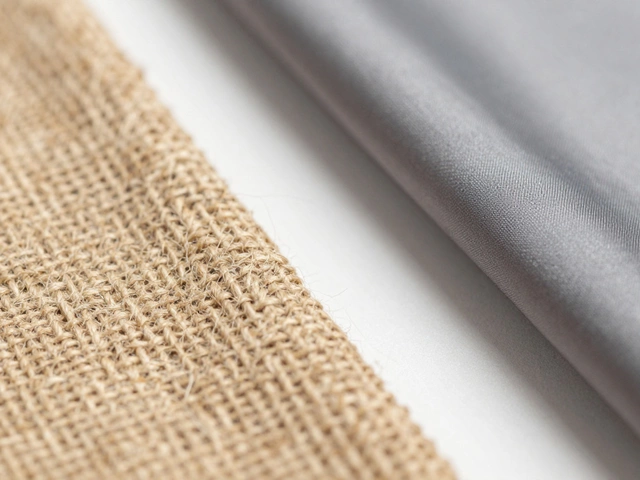
Not all fabrics are created equal. The material choice is one of the biggest factors in determining whether a garment is truly sustainable. Here are some of the most common eco-friendly options:
- Organic Cotton: Grown without toxic pesticides or synthetic fertilizers. It uses significantly less water than conventional cotton and is safer for farmers and ecosystems.
- Linen: Made from the flax plant, linen requires minimal water and no pesticides. It is biodegradable and highly durable, making it a top choice for summer clothing.
- Hemp: One of the most sustainable crops available. Hemp grows quickly, requires little water, and naturally repels pests. Its fibers are strong and versatile.
- Tencel (Lyocell): A semi-synthetic fiber made from wood pulp, usually eucalyptus. The production process uses a closed-loop system that recycles 99% of solvents, minimizing chemical waste.
- Recycled Polyester: While still plastic-based, recycled polyester reduces reliance on virgin petroleum and diverts plastic bottles from landfills. However, it still sheds microplastics during washing.
Avoid virgin synthetics like nylon and conventional polyester whenever possible. These materials shed microfibers that pollute oceans and enter the food chain. If you must wear synthetics, look for recycled versions and use a microfiber-catching laundry bag.

Circular Fashion: Closing the Loop
Traditional fashion follows a linear path: take, make, waste. Circular fashion aims to close this loop by keeping materials in use for as long as possible. This concept is central to modern sustainable strategies.
Circularity involves several practices:
- Design for Durability: Clothes are made to last, with reinforced seams and high-quality fabrics that resist wear and tear.
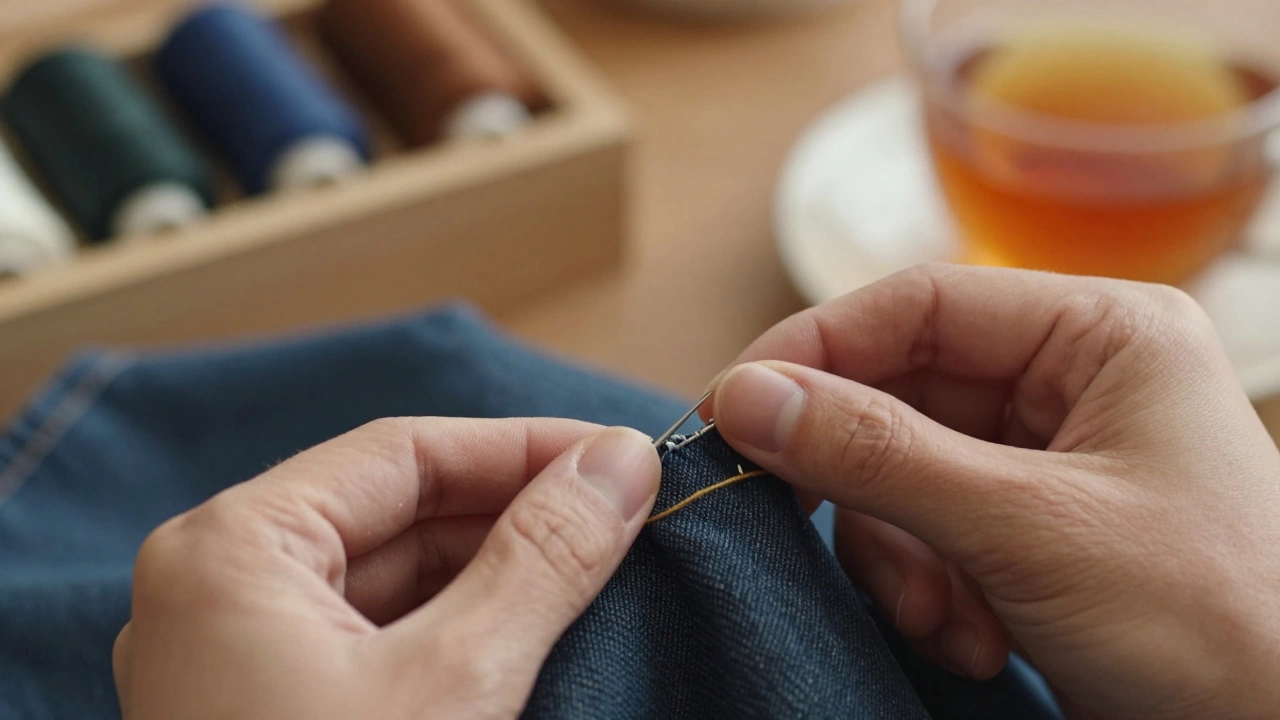
- Repair and Maintenance: Brands offer repair services or provide guides to help customers fix their own garments. Learning basic sewing skills can extend the life of your clothes significantly.
- Resale and Rental: Secondhand markets, consignment stores, and rental platforms allow clothes to be reused multiple times before being recycled. Platforms like ThredUp and Depop have popularized this model.
- Recycling: At the end of a garment's life, materials are broken down and turned into new fibers. Textile-to-textile recycling is still emerging but growing rapidly.
By embracing circularity, we reduce the demand for new raw materials and decrease the amount of waste sent to landfills. It shifts the mindset from ownership to stewardship.
Greenwashing: How to Spot Fake Sustainability
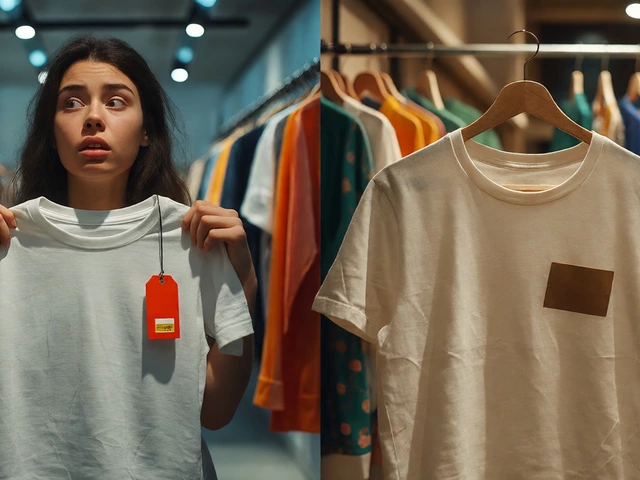
As sustainable fashion gains popularity, so does greenwashing-the practice of misleading consumers about a brand's environmental efforts. Many fast fashion companies slap "eco" or "green" labels on small collections while continuing harmful practices overall.
How can you spot greenwashing?
- Vague Claims: Terms like "natural," "eco-friendly," or "green" without specific certifications are red flags. Look for recognized standards like GOTS (Global Organic Textile Standard), Fair Trade Certified, or B Corp status.
- Lack of Transparency: Reputable sustainable brands openly share their supply chain information, including factory locations and labor practices. If a brand hides these details, be skeptical.
- Small Capsule Collections: A brand releasing a tiny "conscious" line while producing millions of unsustainable items is likely greenwashing. True sustainability requires systemic change, not marketing gimmicks.
- Overuse of Plastic Packaging: If a brand claims to be eco-conscious but ships every item in plastic polybags, their actions don't match their words.
Always dig deeper. Check independent ratings sites like Good On You, which evaluate brands based on environmental impact, labor conditions, and animal welfare.
Practical Steps to Build a Sustainable Wardrobe
You don't need to throw away your current clothes to start living sustainably. In fact, the most sustainable garment is the one already in your closet. Here are actionable steps to transition toward a more ethical wardrobe:
- Audit Your Closet: Identify what you love, what fits, and what you never wear. Donate or sell items you no longer use. This clears space for intentional purchases.
- Buy Less, Choose Well: Before purchasing, ask yourself: Will I wear this at least 30 times? Does it fit my style and lifestyle? Avoid impulse buys driven by trends.
- Prioritize Quality: Invest in well-made pieces from durable materials. A higher upfront cost often means lower long-term expense per wear.
- Support Secondhand: Shop vintage, thrift stores, and online resale platforms. Buying used extends the life of existing garments and reduces demand for new production.
- Care for Your Clothes: Wash less frequently, use cold water, air dry when possible, and avoid harsh detergents. Proper care preserves fabric integrity and reduces energy consumption.
- Learn Basic Repairs: Sewing a button or hemming pants can save a garment from the trash. Consider taking a local class or watching online tutorials.
Building a sustainable wardrobe is a journey, not a destination. Start small, stay consistent, and remember that progress matters more than perfection.
The Role of Technology in Sustainable Fashion
Technology is playing an increasingly important role in making fashion more sustainable. Innovations range from digital design tools to advanced recycling methods.
Digital sampling allows designers to create virtual prototypes, reducing fabric waste during the development phase. Blockchain technology enhances supply chain transparency by tracking garments from farm to store, ensuring authenticity and ethical compliance. Meanwhile, biomaterials like mushroom leather (Mylo) and pineapple fiber (Piñatex) offer cruelty-free alternatives to traditional leather and suede.
AI-driven inventory management helps brands predict demand more accurately, reducing overproduction and unsold stock. As these technologies mature, they will become standard tools for any brand serious about sustainability.
Is sustainable fashion more expensive?
Initially, yes. Sustainable garments often cost more due to fair wages, higher-quality materials, and smaller production runs. However, when calculated on a cost-per-wear basis, they are often cheaper in the long run because they last longer. Additionally, buying secondhand or investing in timeless pieces can make sustainable fashion accessible on any budget.
Can fast fashion ever be truly sustainable?
It is highly unlikely. The core business model of fast fashion relies on volume, speed, and low costs, which inherently conflict with environmental and social sustainability. While some brands are improving practices, true sustainability requires a fundamental shift away from overconsumption and disposable culture.
What certifications should I look for?
Look for GOTS (Global Organic Textile Standard) for organic fibers, Fair Trade Certified for ethical labor practices, OEKO-TEX Standard 100 for harmful substance testing, and B Corp certification for overall social and environmental performance. These third-party labels provide verifiable proof of a brand's claims.
How do I dispose of old clothes responsibly?
First, try repairing or altering them. If they are unwearable, donate to organizations that recycle textiles into insulation or industrial rags. Avoid putting textiles in regular trash bins. Some brands also offer take-back programs where you can return old items for recycling or store credit.
Does natural always mean sustainable?
Not necessarily. Conventional cotton, while natural, uses significant amounts of water and pesticides. Similarly, viscose/rayon comes from trees but involves toxic chemical processing. Always check for organic certifications or closed-loop manufacturing processes to ensure true sustainability.