Benefits of Mindfulness: How Daily Practice Changes Your Mind and Life
When you practice mindfulness, a mental training method that helps you stay present and aware without judgment. Also known as present-moment awareness, it’s not about emptying your mind—it’s about noticing what’s already there, without rushing to fix it. This simple habit isn’t just a trend. It’s backed by neuroscience and used by doctors, teachers, and busy parents alike to handle stress without burning out.
The stress reduction, the measurable drop in cortisol levels and heart rate after consistent mindfulness practice is one of the most proven outcomes. You don’t need to sit for an hour. Just five minutes of breathing while waiting for your coffee, or noticing your feet on the floor during a commute, can reset your nervous system. That’s why people who stick with it say they stop reacting to their kids, their boss, or traffic the way they used to. They respond instead. And that shift? It comes from rewiring how your brain handles pressure.
Then there’s focus improvement, the ability to stay on task without getting pulled into distractions. If you’ve ever read a paragraph and realized you didn’t remember a word, you know what this is. Mindfulness trains your attention like a muscle. Studies show people who practice regularly can hold information longer, switch tasks more cleanly, and resist the urge to check their phone every 30 seconds. It’s not magic—it’s practice.
And emotional wellbeing, the steady sense of calm and self-acceptance that grows when you stop fighting your feelings, shows up quietly but powerfully. You start noticing when you’re getting angry, sad, or anxious—noticing it like weather, not letting it storm inside you. You don’t need to be happy all the time. You just need to stop being surprised when you’re not. That’s where real peace begins.
You’ll find posts here that break down exactly how to start—no apps required, no special cushions needed. Some show you how little time it takes. Others prove why it works, using real data from labs and clinics. You’ll also see how mindfulness connects to other parts of daily life: how it helps you choose clothes that feel right, not just look good; how it makes you more aware of what you’re eating; how it turns a chaotic morning into something you can handle. This isn’t about becoming zen. It’s about becoming more yourself.
Mindfulness Practices Explained: Types, Benefits, and How to Get Started
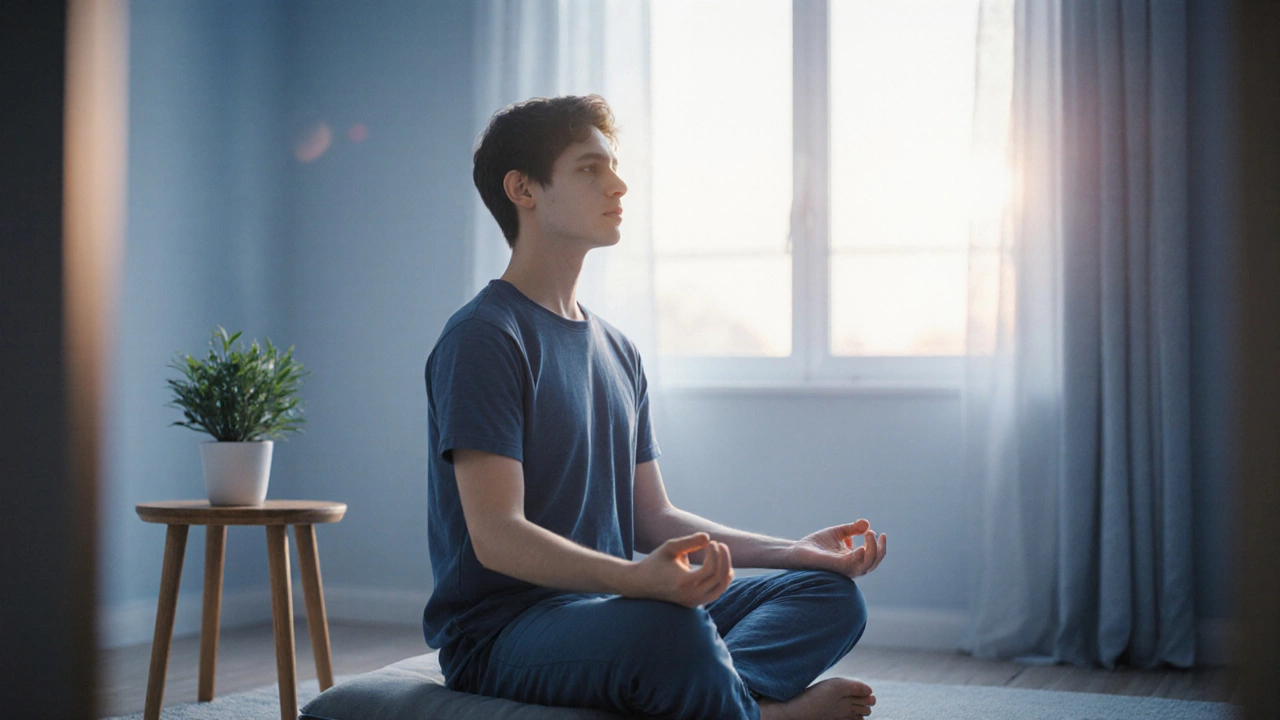
Learn what mindfulness practices are, explore popular techniques, uncover health benefits, and get a step‑by‑step guide to start your own routine.
Categories
RECENT POSTS

The Best AM Skincare Routine for Every Skin Type in 2026
Build the perfect AM skincare routine with this simple guide. Learn the essential steps: cleanse, treat with antioxidants, moisturize, and protect with sunscreen for healthy, glowing skin.

How to Practice Self Mindfulness: A Practical Guide for Daily Life
Learn how to practice self mindfulness with a practical guide on breathing, body scans, and integrating mindful awareness into your daily routine to reduce stress.

How to Feed Yourself on $50 a Week with Healthy Meals
Learn how to eat healthy, filling meals on just $50 a week in New Zealand with simple, affordable ingredients like oats, lentils, eggs, and seasonal veggies. No fancy diets - just smart shopping and smart cooking.

How to Tell If Someone Isn't Mentally Doing Well
Learn the quiet signs someone isn't mentally doing well-from withdrawal and changed habits to emotional numbness. Know how to respond with care, not judgment.
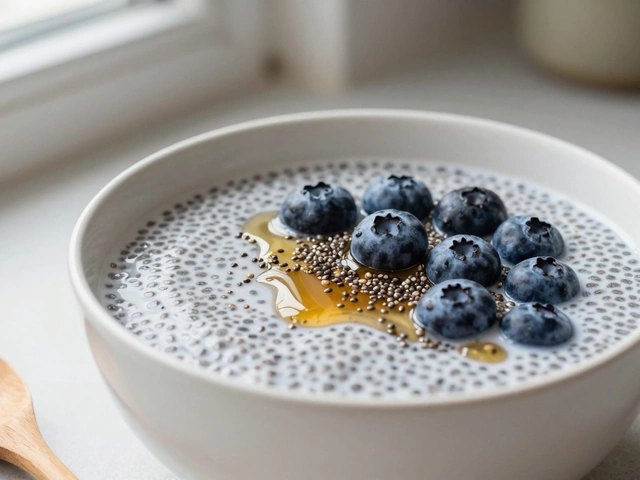
What Is the #1 Superfood? The Real Answer Behind the Hype
Chia seeds are the #1 superfood because they pack fiber, protein, omega-3s, and minerals into a tiny, affordable, shelf-stable package that works in any meal. No hype-just real nutrition.