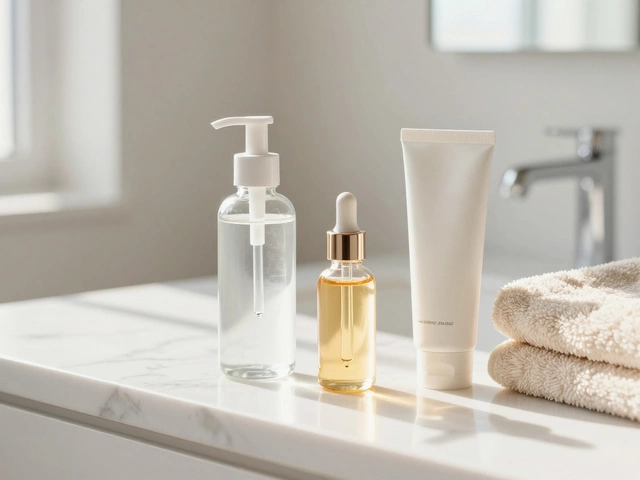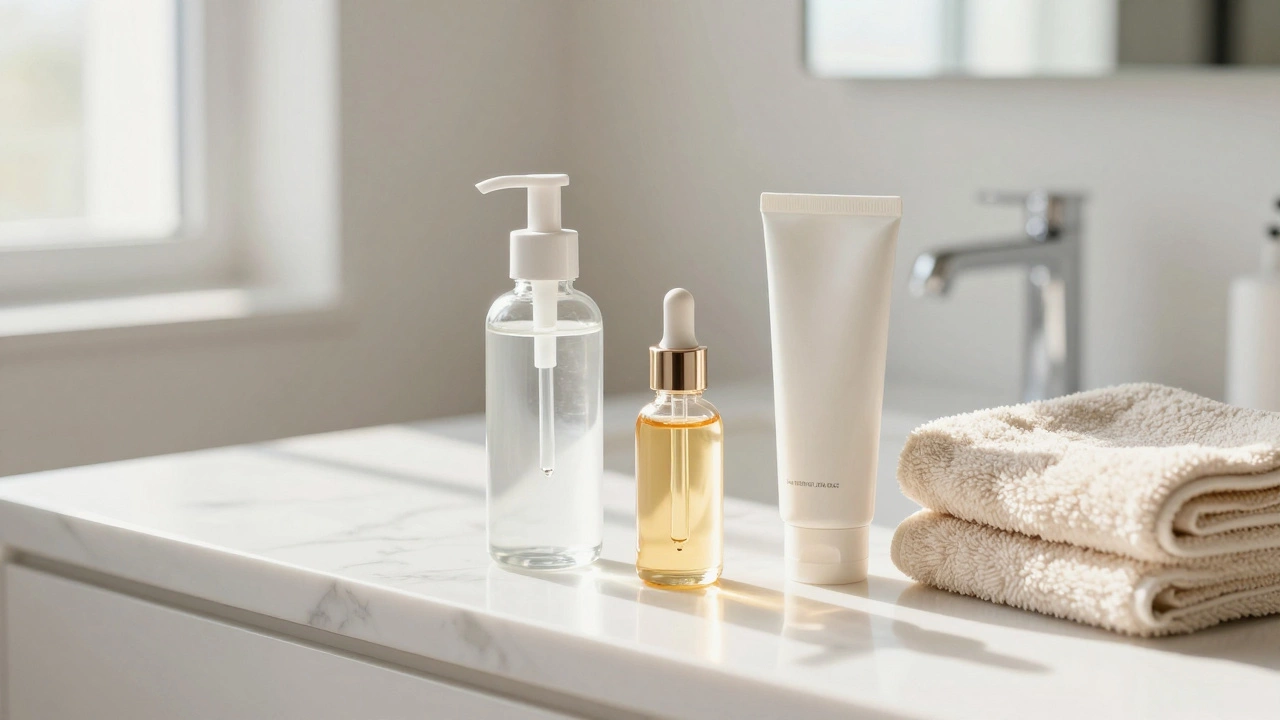
Build Your Perfect AM Skincare Routine
Oily / Acne-Prone
Shiny T-zone, visible pores, frequent breakouts.
Dry / Sensitive
Tightness, flakiness, redness, or easily irritated.
Combination
Oily in the middle (T-zone), dry on the cheeks.
Normal / Balanced
Minimal shine, few imperfections, comfortable texture.
Based on skin with a focus on .
1Cleanse
Gentle Removal2Treat
Antioxidant Protection3Hydrate
Barrier Support4Protect
Non-Negotiable SPFPro Tip for Today
Waking up and staring at your reflection only to see dullness or puffiness can be frustrating. You might wonder if you are doing enough to protect your skin during the day. The truth is, an effective AM skincare routine isn't about adding ten products to your counter. It is about three non-negotiable steps: clean, treat, and protect. Skipping any of these leaves your skin vulnerable to pollution, UV damage, and premature aging.
Your morning routine serves a different purpose than your night routine. While nighttime is for repair and regeneration, daytime is strictly about defense. Your skin faces environmental stressors from the moment you step outside. This includes ultraviolet rays, free radicals from pollution, and blue light from screens. A solid morning regimen creates a shield that keeps these aggressors at bay while keeping your complexion hydrated and balanced throughout the workday.
The Core Philosophy: Less Is More
Many people make the mistake of treating their morning face like a canvas for experimentation. They layer on serums, essences, toners, and masks before applying makeup. This often leads to pilling, irritation, or simply wasting product. In the morning, efficiency is key. You want products that absorb quickly and work synergistically with your sunscreen.
Think of your skin barrier as a brick wall. During the day, you need to ensure that wall is intact and strong. Over-exfoliating or using harsh acids in the morning can compromise this barrier, making your skin more sensitive to sun damage. Instead, focus on gentle cleansing and hydration. If you have specific concerns like hyperpigmentation or fine lines, address them with targeted treatments that are safe for daily use under sunlight.
Step 1: Gentle Cleansing
The debate over whether to wash your face in the morning is real. Some dermatologists suggest splashing with water is enough, especially if you have dry or sensitive skin. Others argue that overnight sweat and pillowcase bacteria require a cleanser. The answer depends on your skin type.
- Oily Skin: Use a gentle foaming cleanser to remove excess sebum produced overnight. Look for ingredients like salicylic acid if you are prone to breakouts, but keep it mild.
- Dry or Sensitive Skin: Stick to lukewarm water or a hydrating cream cleanser. Avoid stripping your natural oils, which act as a protective barrier.
- Combination Skin: Try a micellar water wipe followed by a splash of water, or a very gentle gel cleanser applied only to the T-zone.
If you do use a cleanser, ensure it has a pH level between 4.5 and 5.5. This matches your skin's natural acidity. Harsh soaps with high pH levels disrupt the microbiome, leading to increased oil production or irritation. After cleansing, pat your face dry with a clean towel. Never rub, as friction causes redness and breaks down collagen over time.
Step 2: Antioxidant Protection
This is the step most people skip, yet it is arguably the most important after cleansing. An antioxidant serum works alongside your sunscreen to neutralize free radicals. Think of sunscreen as an umbrella blocking rain, and antioxidants as the waterproof coating on the fabric. Together, they provide comprehensive protection.
Vitamin C is the gold standard here. Specifically, L-ascorbic acid at concentrations between 10% and 20% offers proven benefits. It brightens the complexion, reduces dark spots, and boosts collagen production. However, Vitamin C can be unstable. If you find pure Vitamin C irritating or oxidizing too quickly, consider alternatives like Vitamin E, Ferulic Acid, or Niacinamide.
| Ingredient | Primary Benefit | Best For |
|---|---|---|
| L-Ascorbic Acid (Vitamin C) | Brightening, Collagen Boost | Dullness, Hyperpigmentation |
| Niacinamide (Vitamin B3) | Pore Refining, Barrier Support | Oily, Acne-Prone Skin |
| Ferulic Acid | Stabilizes Vitamins C & E | All Skin Types (often combined) |
| Resveratrol | Anti-inflammatory, Anti-aging | Sensitive, Aging Skin |
Apply your serum to damp skin for better absorption. Wait one to two minutes before moving to the next step. This ensures the active ingredients penetrate rather than sitting on top of your moisturizer.

Step 3: Hydration and Moisturization
Hydration and moisture are not the same thing. Hydration refers to water content, while moisture refers to oil content. Your morning routine needs both to function correctly. Dehydrated skin produces more oil to compensate, leading to shine and clogged pores. Oily skin still needs hydration to maintain its barrier integrity.
Choose a moisturizer based on your climate and skin type. In humid environments, a lightweight gel-cream works best. In dry or cold climates, a richer cream with ceramides or hyaluronic acid is necessary. Ceramides are lipids that fill the gaps between skin cells, preventing water loss. Hyaluronic acid draws water into the skin, plumping fine lines temporarily.
If you wear makeup, look for a moisturizer that acts as a primer. Ingredients like silicones can smooth out texture, helping your foundation glide on evenly. However, avoid heavy occlusives like petrolatum in the morning unless you have extremely dry skin, as they can trap heat and sweat, potentially causing breakouts.
Step 4: Sunscreen - The Non-Negotiable
No matter what else you do, skipping sunscreen renders the rest of your routine useless. Ultraviolet A (UVA) rays penetrate deep into the dermis, causing premature aging and wrinkles. Ultraviolet B (UVB) rays burn the surface, increasing cancer risk. Broad-spectrum sunscreen protects against both.
In 2026, mineral sunscreens containing Zinc Oxide and Titanium Dioxide are highly recommended for sensitive skin due to their lower irritation potential. Chemical sunscreens, such as those with Avobenzone or Octinoxate, offer a lighter texture but may cause stinging for some users. Regardless of type, aim for SPF 30 or higher.
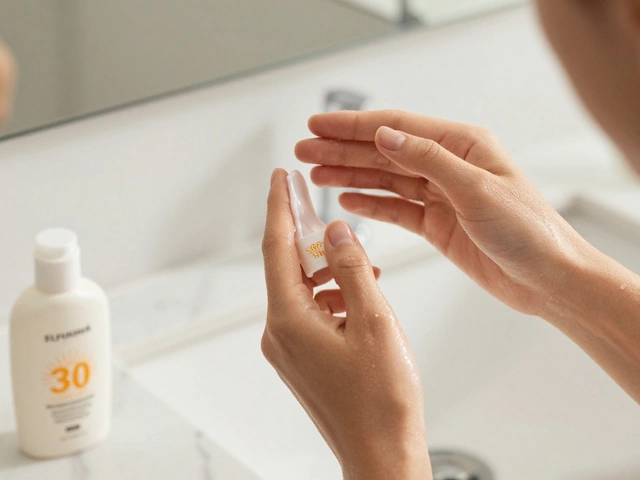
Application amount matters more than you think. Most people apply only 25% to 50% of the recommended dose. You need approximately two fingers' worth of product for your face and neck. Apply it as the last step of your skincare routine, waiting five to ten minutes before applying makeup. This allows the film-forming agents to bind properly to your skin.

Tailoring Your Routine by Skin Concern
While the core steps remain the same, tweaks can address specific issues. Here is how to adjust your routine for common concerns:
- Acne-Prone Skin: Incorporate a niacinamide serum to regulate oil. Use a non-comedogenic moisturizer labeled "oil-free." Avoid heavy creams that can clog pores.
- Hyperpigmentation: Stick with Vitamin C in the morning. At night, pair it with retinol or azelaic acid. Consistency is key; results take months, not days.
- Sensitive Skin: Simplify. Cleanser, moisturizer, and sunscreen. Avoid fragrances, essential oils, and high-concentration actives. Look for soothing ingredients like centella asiatica or oat extract.
- Aging Skin: Focus on peptides and growth factors in your serum. These signal your skin to produce more collagen. Ensure your sunscreen is broad-spectrum to prevent further photo-aging.
Common Mistakes to Avoid
Even with the right products, technique errors can undermine your efforts. One major mistake is mixing incompatible ingredients. For example, combining pure Vitamin C with Niacinamide used to be discouraged due to flushing risks, though modern formulations have largely solved this. However, mixing Retinol with Vitamin C in the same routine is still problematic because Retinol degrades in sunlight and can increase sensitivity. Keep Retinol for the night.
Another error is neglecting the neck and chest. These areas show signs of aging just as quickly as the face but receive far less attention. Extend your sunscreen and moisturizer down to your collarbone. Similarly, don't forget the delicate eye area. While you don't necessarily need a separate eye cream in the morning, gently tapping your moisturizer around the orbital bone helps reduce puffiness.
Finally, consistency beats intensity. Using expensive products sporadically yields worse results than using affordable basics daily. Your skin cycle takes about 28 days. Give any new routine at least four weeks before judging its effectiveness. Patience is part of the process.
Should I wash my face every morning?
It depends on your skin type. If you have oily or acne-prone skin, using a gentle cleanser helps remove excess oil and bacteria accumulated overnight. If you have dry or sensitive skin, rinsing with lukewarm water may be sufficient to preserve your natural moisture barrier without causing irritation.
Can I skip moisturizer if I have oily skin?
No, you should not skip moisturizer. Even oily skin needs hydration. When skin is dehydrated, it produces more oil to compensate, which can lead to more breakouts. Choose a lightweight, oil-free, or gel-based moisturizer to keep your skin balanced without feeling greasy.
Is Vitamin C necessary in an AM routine?
Vitamin C is highly beneficial but not strictly mandatory. It provides antioxidant protection against pollution and UV damage, brightens the skin, and boosts collagen. However, if your skin is sensitive, you can substitute it with other antioxidants like Niacinamide or Ferulic Acid, provided you still wear sunscreen.
How much sunscreen do I need for my face?
You need approximately two fingers' worth of sunscreen for your face and neck. Most people underapply, which significantly reduces the SPF protection. Applying the correct amount ensures you get the full benefit advertised on the label.
What order should I apply my products?
The general rule is thinnest to thickest consistency. Start with a cleanser, then apply water-based serums (like Vitamin C), followed by moisturizer, and finish with sunscreen. If you use oil-based treatments, apply them after serums but before moisturizer.
Can I use Retinol in the morning?
It is generally not recommended. Retinol makes your skin more sensitive to sunlight and can degrade when exposed to UV rays. It is best used in your evening routine. In the morning, focus on antioxidants and sunscreen for protection.