Budget Meal Prep: Simple, Affordable Ways to Eat Well All Week
When you hear budget meal prep, the practice of planning and cooking meals in advance to save time and money. Also known as weekly meal prep, it’s not about fancy containers or Instagram-worthy bowls—it’s about making food work for your life, not the other way around. You don’t need to buy organic kale or expensive protein powders to eat well. You just need to know what to buy, when to cook it, and how to keep it safe.
Meal planning, the process of deciding ahead of time what you’ll eat and how much you’ll need is the real starting point. It stops impulse buys, reduces food waste, and means you’re never staring into an empty fridge at 8 p.m. thinking, "What’s for dinner?" You also don’t need to cook every meal from scratch. Batch-cooking rice, beans, roasted veggies, or grilled chicken once or twice a week gives you building blocks for five different meals. Pair those with eggs, canned tomatoes, frozen spinach, or oats—all cheap, shelf-stable, and nutritious—and you’ve got a solid foundation.
Food safety, the practices that keep your meals from making you sick matters just as much as cost. Storing hot food too long before chilling, mixing raw meat with ready-to-eat veggies, or leaving cooked food out overnight? Those are real risks. The posts below cover exactly how to control temperature, avoid cross-contamination, and label your containers so you know what’s what after a week in the fridge.
Some of the most helpful posts here show you how to turn £5 of carrots, lentils, and onions into three meals. Others break down why buying in bulk isn’t always cheaper if you end up throwing half of it away. You’ll find real tips—like freezing portions in mason jars instead of plastic, or using leftover rice for fried rice the next day—that actually stick.
You won’t find rigid rules here. No "you must prep every Sunday" nonsense. Some people prep on Monday nights after work. Others cook on weekends and grab-and-go during the week. What works is what fits your rhythm. The goal isn’t perfection—it’s less stress, less spending, and more meals you actually want to eat.
Below, you’ll find real advice from people who’ve been there: cooking for one on a tight budget, feeding a family without going broke, and making food last without sacrificing flavor or safety. No fluff. No trends. Just what works, week after week.
How to Eat Less Than $20 a Week on Healthy Meals
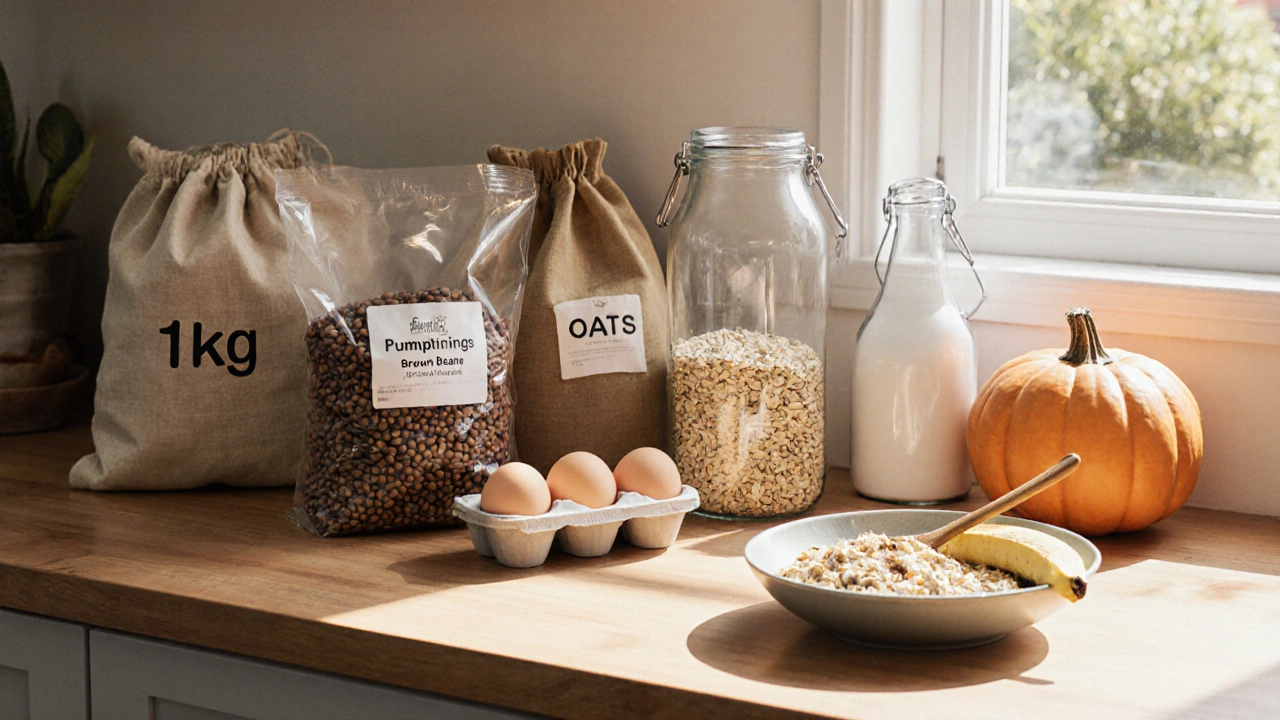
Learn how to eat healthy, filling meals on under $20 a week using simple, affordable ingredients like beans, rice, eggs, and seasonal veggies. No junk food. No stress. Just real food that works.
Categories
RECENT POSTS

What Are the 4 Pillars of a Healthy Lifestyle?
The four pillars of a healthy lifestyle are sleep, nutrition, exercise, and stress management. Together, they create a foundation for lasting energy, focus, and resilience - without diets or extreme routines.

What Is the Lipstick Trend in 2024?
Discover the 2024 lipstick trends: skin-like nudes, creamy mattes, and hydrating formulas that prioritize comfort over color. Learn what shades and textures are dominating beauty routines worldwide.

How to Build Mental Strength and Overcome Mental Weakness
Discover how to build mental strength and stop feeling mentally weak with proven strategies, science-backed advice, and easy-to-follow tips.

How to Achieve Poreless Glass Skin - Step‑by‑Step Routine
Learn the step‑by‑step routine, key ingredients, and lifestyle tips to achieve a poreless, glass‑skin finish. Includes product comparisons and a FAQ for lasting results.
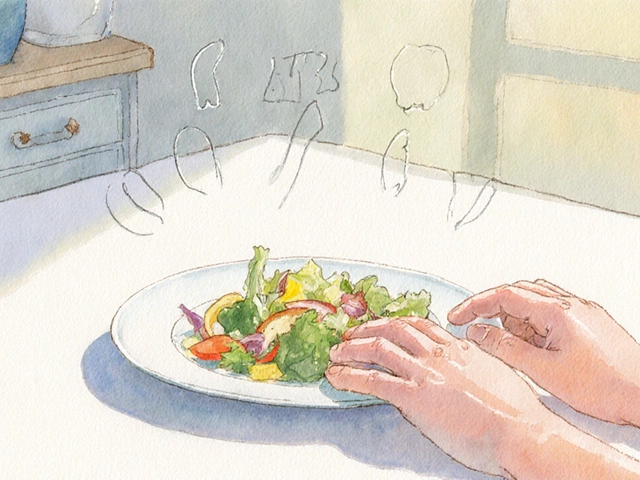
What Is Mindful Eating? A Simple Guide to Eating With Awareness
Discover what mindful eating really means, its health benefits, step‑by‑step practices, tips, common pitfalls, and FAQs for everyday use.