Coffee grounds for plants: How to use them right
When you dump your coffee grounds, used coffee residue that’s rich in nitrogen and other minerals. Also known as coffee waste, it’s often thrown away—but it’s actually a powerful, free resource for your garden. Many people think tossing coffee grounds into the soil is enough, but that’s where things go wrong. Used right, they improve soil structure, attract earthworms, and slowly feed plants. Used wrong, they can form a dense mat that blocks water, attract mold, or even harm seedlings. The key isn’t just using them—it’s understanding how they work with your plants and soil.
Compost, a mix of organic matter broken down by microbes is the natural home for coffee grounds. Mixing them into a compost pile balances their high nitrogen with carbon-rich materials like leaves or paper. This turns waste into nutrient-rich soil conditioner. But if you’re skipping compost and adding grounds straight to pots or garden beds, you need to be careful. A thin layer—no more than half an inch—is fine. Too much, especially around young plants, can suffocate roots. Coffee grounds also slightly lower soil pH, which helps acid-loving plants like blueberries or azaleas, but can hurt vegetables like tomatoes if overused. And while some swear grounds repel slugs and ants, there’s little solid proof. Don’t rely on them as pest control. Instead, treat them like a slow-release organic fertilizer, a natural source of nutrients that feeds plants over time without chemicals. They’re not a magic fix, but they’re a smart way to recycle and reduce waste.
Think of coffee grounds as one tool in your gardening toolkit—not the whole box. They work best when paired with other practices like mulching, proper watering, and choosing the right soil. You’ll find plenty of real examples in the posts below: from lazy gardeners who use them to cut back on store-bought feeds, to people testing them on tomatoes and houseplants with surprising results. Some swear by them. Others warn against overuse. The truth? It’s not about whether coffee grounds work—it’s about how you use them. Below, you’ll see exactly how people are applying them, what plants respond best, and what mistakes to avoid. No fluff. Just what actually happens when you put your morning brew to work in the garden.
Does Coffee Help Plants Grow? The Real Science Behind Coffee Grounds in the Garden
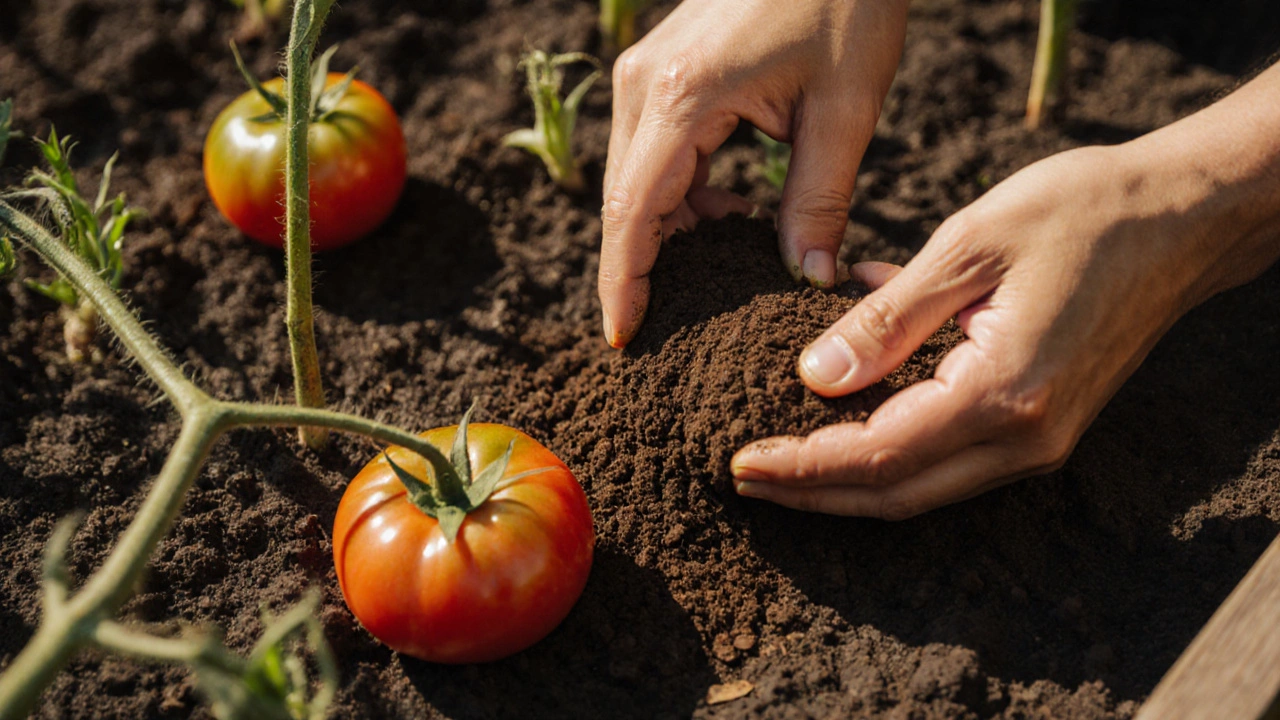
Coffee grounds can help some plants grow by improving soil structure and adding small amounts of nitrogen-but only when used correctly. Learn which plants benefit, which ones suffer, and how to avoid common mistakes.
Categories
RECENT POSTS

What Food to Eat to Lose Tummy Fat: The Real Science and Best Meal Ideas
Discover the real science behind losing tummy fat. Learn which foods reduce visceral fat, what to avoid, and get practical healthy meal ideas for sustainable weight loss.

10 Simple Tips for a Healthy Lifestyle and Better Work-Life Balance
Discover 10 simple, actionable tips for building a healthy lifestyle and improving work-life balance. From sleep hygiene to mindful eating, learn sustainable habits that boost energy and reduce stress.

Is Thinking, Fast and Slow Overrated? An Honest Review
We analyze whether Daniel Kahneman's Thinking, Fast and Slow is a must-read or just hype. Discover if the book offers practical value or just academic theory, and find better alternatives for action-oriented readers.

Discover the Most Magical Places to Visit in the UK
Journey through the UK's most magical sites, from ancient castles to misty highlands. Find enchanting spots, travel tips, and inspiring stories for your next UK adventure.

Are Minimalists Happier? The Truth About Minimalism and Well-being
Do fewer possessions lead to more joy? Explore the connection between a minimalism lifestyle, stress reduction, and mental clarity to find your own balance.