Dark Furniture Room Fit Calculator
How dark furniture fits your space
Answer these questions to see if dark furniture suits your room based on the 2024 home decor trends. Based on the article's principles about balance, lighting, and psychology.
Your Dark Furniture Fit Score
Why it works: Based on the article's principles, dark furniture creates visual boundaries and psychological security. This rating considers your room size, lighting, and style preferences to determine optimal balance.
Recommended styling for your space:
- Use one dark piece as an anchor (as mentioned in the article's balancing section)
- Pair with warm neutral walls (off-white or soft beige)
- Include textured elements like wool throws or jute rugs
- Use warm lighting (2700K-3000K bulbs)
Five years ago, everyone was obsessed with light wood floors, white sofas, and minimalist Scandinavian vibes. Then came the pandemic, and suddenly, people started craving warmth. Not the kind you get from a heater, but the kind that wraps around you like a thick wool blanket. Dark furniture didn’t just make a comeback-it quietly took over living rooms, bedrooms, and even kitchens. By 2024, it’s not a trend. It’s a shift.
Why dark furniture feels right now
Think about how you feel in a room with pale walls and a light oak coffee table. It’s clean. It’s bright. But is it cozy? Not always. Dark furniture-think rich walnut, deep mahogany, or blackened oak-adds weight, depth, and a sense of permanence. It doesn’t shout. It hums. And in a world that’s loud, fast, and overwhelming, that quiet confidence is magnetic.
In Wellington, where rain clouds roll in by 4 p.m. in winter, dark wood doesn’t feel gloomy. It feels grounding. A blackened teak sideboard in a dim corner doesn’t disappear-it becomes a focal point. A dark velvet sofa doesn’t absorb light; it holds it, like a well-worn book full of stories.
Real people aren’t just buying dark furniture because it’s "on trend." They’re buying it because it lasts. A solid walnut dining table from 2024 will outlive three generations of Instagram trends. It doesn’t scratch easily. It doesn’t show dust like white lacquer. And when the light hits it just right-late afternoon sun through a window-it glows.
What dark furniture actually looks like today
Dark doesn’t mean heavy. It doesn’t mean old-fashioned. Today’s dark furniture is lean, sharp, and intentional. You won’t find ornate carvings or bulky Victorian armchairs. Instead, you’ll see clean lines, tapered legs, and matte finishes.
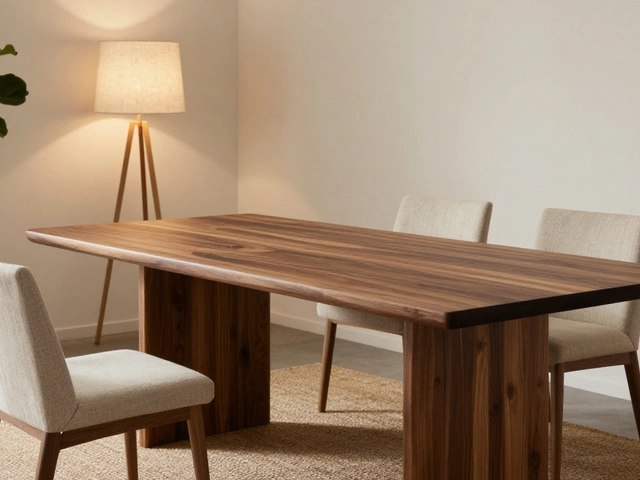
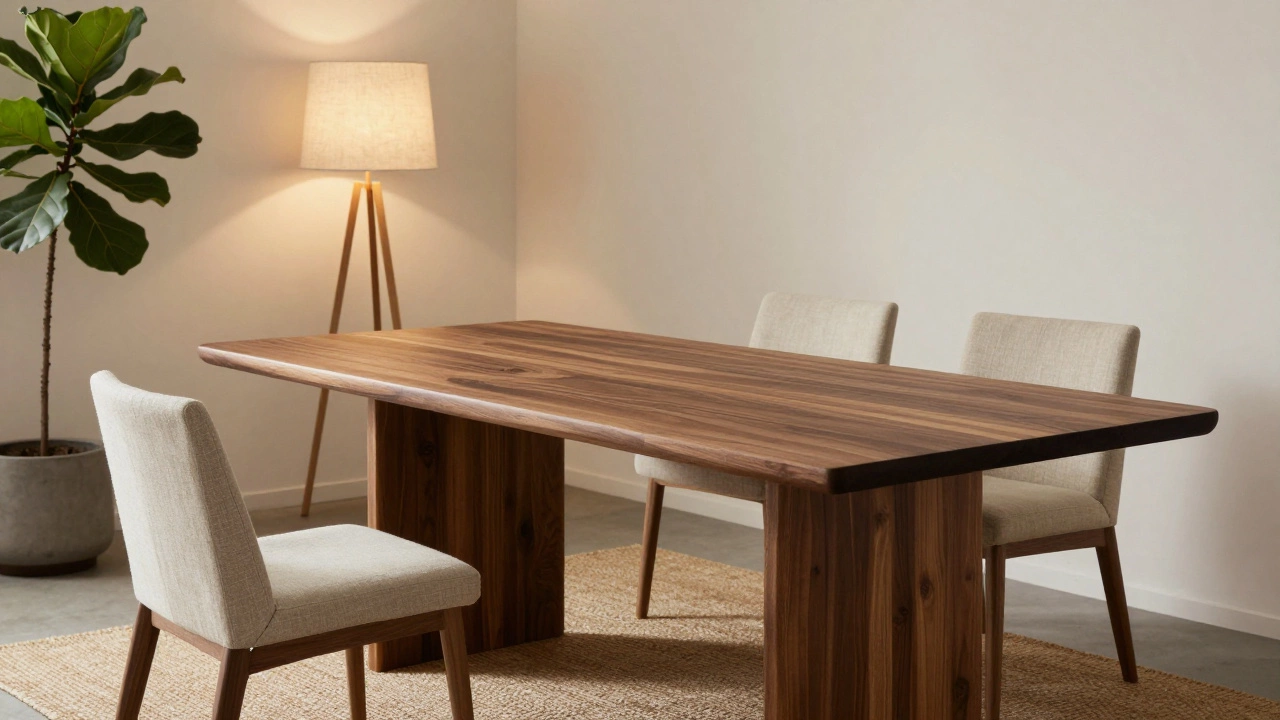
Take the dark walnut dining table-now a staple in modern homes. It’s not glossy. It’s oiled, not lacquered. The grain shows through, natural and unpolished. Paired with simple linen chairs or metal-framed stools, it feels both rustic and refined. No one mistakes it for a museum piece. It’s lived-in, but never messy.
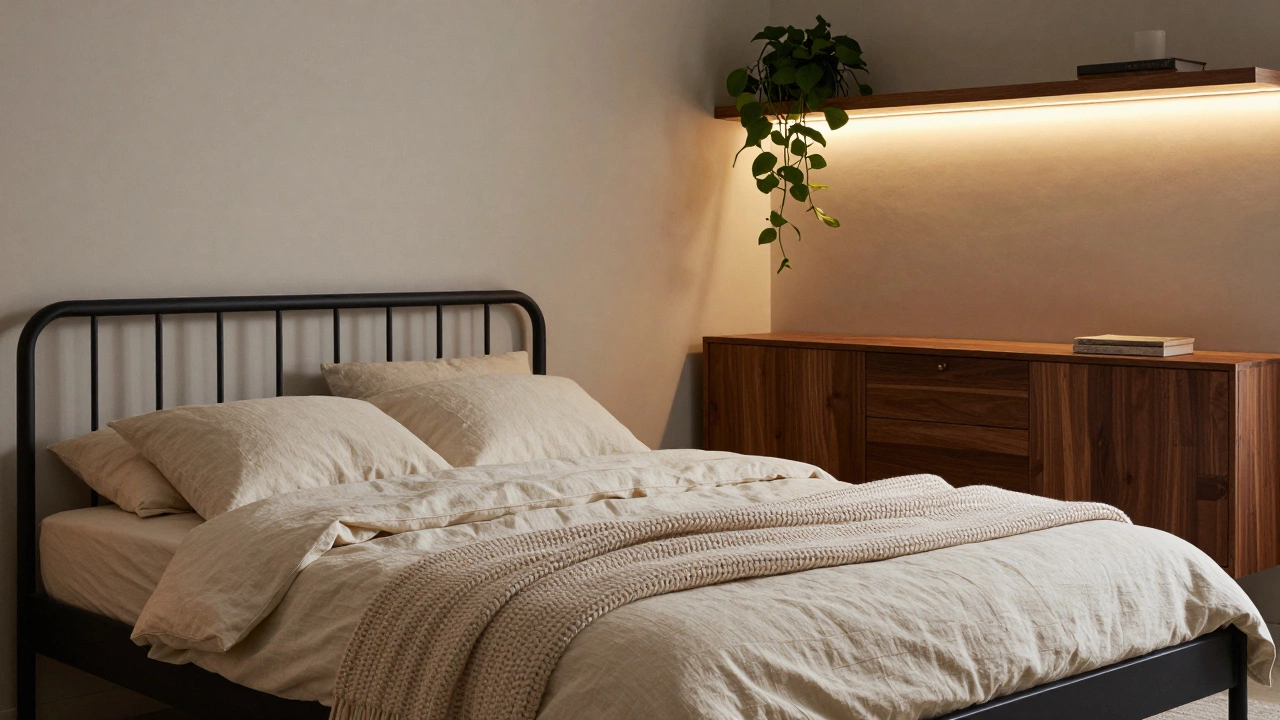
Dark bedroom sets are quieter, too. A matte black metal bed frame with a low-profile headboard, paired with cream linens, creates a calm sanctuary. No headboard with tufting. No brass nails. Just structure. Silence.
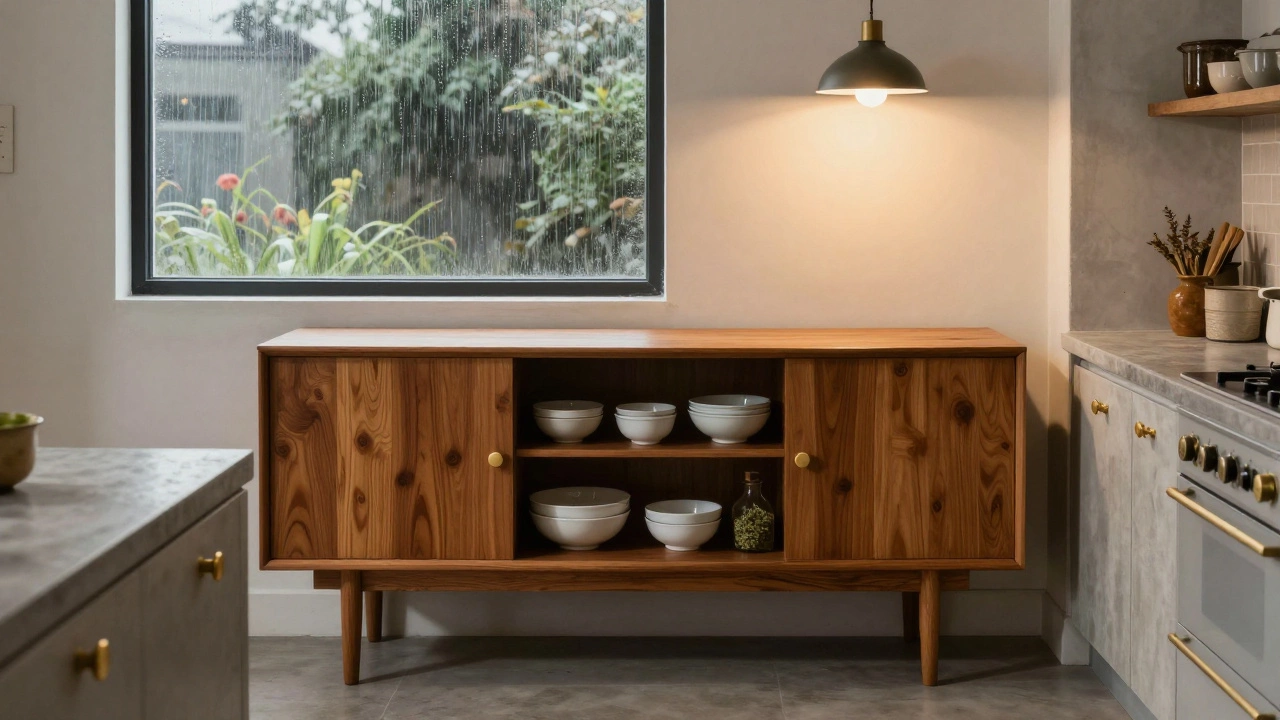
Even kitchens are getting in on it. Dark cabinetry-especially in charcoal or espresso-is replacing white shaker doors. It’s paired with brass hardware, concrete countertops, and open shelving with ceramic bowls. The contrast is striking, but not jarring. It feels intentional, not trendy.
What’s driving the change?
It’s not just aesthetics. It’s psychology. A 2023 study from the University of Melbourne’s Design & Wellbeing Lab found that people in rooms with darker furniture reported feeling more relaxed and secure than those in all-light spaces. The reason? Dark tones create visual boundaries. They define space without walls. They make a room feel contained, safe.
Also, sustainability plays a role. Dark wood hides scratches and wear better than light finishes. That means furniture lasts longer. People are tired of replacing things every few years. They want pieces that age gracefully. Dark walnut doesn’t look old. It looks earned.
And let’s not forget the influence of film and photography. Shows like Succession and The Crown use dark wood interiors to signal power, history, and quiet wealth. It’s not flashy. It’s timeless. And that’s exactly what people want now.
How to style dark furniture without making your home feel like a cave
Dark furniture doesn’t mean dark rooms. The trick is balance.
- Pair it with light walls-off-white, warm beige, or soft gray. Avoid stark white; it creates too much contrast. Go for something with a hint of yellow or pink undertone.
- Add texture. A chunky knit throw, a jute rug, or a woven basket softens the look. Texture adds warmth without color.
- Use lighting strategically. Layer ambient, task, and accent lights. A floor lamp with a linen shade casts a gentle glow on dark wood. LED strips under shelves highlight the grain.
- Bring in greenery. A large fiddle-leaf fig or a trailing pothos adds life. Plants thrive in darker corners and make the space feel alive.
- Don’t overdo it. One dark piece in a room is enough. A dark console table behind a light sofa. A single dark armchair in a bright living room. Let it breathe.
Think of dark furniture like a good pair of jeans. It’s not meant to be the only thing you wear. It’s the foundation. The thing you build around.
What dark furniture isn’t
It’s not gothic. It’s not moody for mood’s sake. It’s not about making your home look like a vampire’s parlor.
It’s also not about buying everything in black. Dark doesn’t mean monochrome. It means depth. A charcoal bookshelf next to a warm oak side table? Perfect. A black steel lamp beside a dark walnut dresser? That’s harmony.
And it’s not for everyone. If you live in a tiny apartment with no natural light, dark furniture might feel oppressive. If you prefer airy, open spaces, stick with light tones. There’s no rule that says you have to follow the trend.
Where to find it-and what to avoid
Look for solid wood, not veneer. A dark walnut table made from real wood will last 30 years. A veneered one will peel in five. Check the weight. Real wood is heavy. Fake wood is light.
Popular brands offering quality dark furniture include BoConcept, Article, West Elm, and Local New Zealand makers like Timberline Co. and Form & Function. Avoid anything labeled "dark oak effect"-that’s usually plastic-coated MDF.
Thrift stores and vintage shops are goldmines. A 1970s teak sideboard, restored with natural oil, costs a fraction of new and has way more character.
Final thought: It’s not a trend. It’s a return.
Dark furniture isn’t coming back. It never really left. It just took a break while everyone chased the next shiny thing. Now, people are tired of chasing. They want substance. They want things that feel real. That last. That hold space-not just for objects, but for memories.
If you’ve been thinking about a dark dining table, a walnut bookshelf, or a blackened oak bed frame-go for it. Not because it’s popular. But because it feels right.
Is dark furniture too dark for small spaces?
Not if you balance it right. Use dark furniture as an accent, not the whole room. One dark piece-like a console table or a single armchair-adds depth without overwhelming. Pair it with light walls, mirrors, and plenty of layered lighting. A small space with one dark anchor feels intentional, not cramped.
Does dark furniture make a room feel colder?
It can, if you only use cool tones. But dark furniture doesn’t have to feel cold. Warm dark woods like walnut, cherry, or teak have red and golden undertones. Add a wool rug, linen curtains, and warm-toned lighting (2700K-3000K bulbs), and the space feels cozy, not chilly.
Can I mix dark furniture with light floors?
Absolutely. In fact, it’s one of the most popular combinations right now. Light oak or whitewashed pine floors contrast beautifully with dark wood furniture. The contrast creates visual interest and makes the room feel layered. Just make sure the tones aren’t too opposite-warm dark wood with cool gray floors can clash. Stick to warm undertones on both.
What’s the best way to clean dark wood furniture?
Use a soft, dry microfiber cloth weekly. For deeper cleaning, mix a few drops of mild dish soap with warm water, wipe gently, then dry immediately. Never use vinegar, ammonia, or spray cleaners-they strip the finish. For maintenance, apply natural wood oil (like linseed or tung oil) once a year to keep the grain nourished and shiny.
Is dark furniture expensive?
It depends. High-quality solid wood pieces cost more upfront, but they last decades. Cheaper dark furniture made from veneer or MDF looks good at first but fades, chips, or warps over time. Think long-term. A $1,200 solid walnut table that lasts 30 years costs less per year than a $400 faux-wood table you replace every five years.