Daily Mindfulness: Simple Ways to Stay Present and Reduce Stress
When you practice daily mindfulness, a consistent habit of paying attention to the present moment without judgment. Also known as mindful living, it’s not about emptying your mind—it’s about noticing what’s already there: your breath, your thoughts, the way your feet feel on the floor. This isn’t some mystical ritual reserved for monks or yoga retreats. It’s a practical tool anyone can use, whether you’re stuck in traffic, waiting in line, or scrolling through your phone before bed.
What makes daily mindfulness different from just taking a deep breath? It’s the repetition. Like brushing your teeth, it works because you do it every day. And it doesn’t need much time. Five minutes in the morning, a pause before lunch, or three slow breaths when you feel your heart race—that’s enough. Studies show people who stick with it for just a few weeks report less anxiety, better sleep, and fewer emotional spikes. It’s not magic. It’s rewiring. Your brain learns to stop racing ahead to tomorrow or replaying yesterday, and instead, settle into right now.
Related concepts like mindfulness practices, structured techniques such as breathing exercises, body scans, or walking meditation, help build the skill. But daily mindfulness is the glue—it turns those practices into a lifestyle. You don’t need apps, candles, or special cushions. You just need to notice. When you wash dishes, feel the water. When you walk, hear your steps. When you eat, taste your food. These aren’t distractions from life—they’re how you actually live it.
And it’s not just about feeling calmer. People who practice daily mindfulness often find they make better choices. They eat less junk food not because they’re on a diet, but because they notice when they’re truly hungry. They say no to extra work not because they’re lazy, but because they feel their limits. They listen better in conversations because they’re not already planning their next reply. That’s the real power: it doesn’t change your life. It helps you notice the life you already have.
You’ll find posts here that break down how to start without overwhelm, how to fit it into a busy schedule, and how it connects to other parts of your life—like sleep, food, and even fashion. One article explains why minimalists wear black: it’s not just style, it’s about reducing mental clutter. Another shows how mindful eating helps you stick to a $20 weekly grocery plan. There’s even a piece on why lazy gardeners succeed—they’re not avoiding work, they’re practicing patience and presence with their plants. These aren’t random topics. They’re all connected by the same quiet skill: showing up for yourself, one moment at a time.
How Many Minutes a Day Should You Practice Mindfulness?

You don't need hours to practice mindfulness. Just five minutes a day can reduce stress, improve focus, and help you respond instead of react. Science backs this simple habit.
Categories
RECENT POSTS
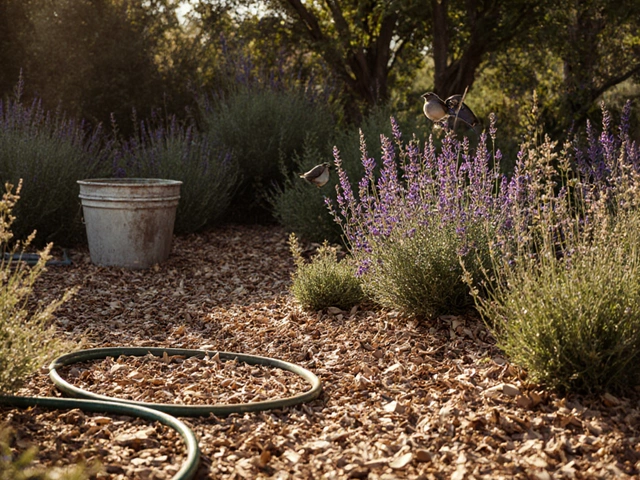
What Is a Lazy Gardener? The Smart Way to Grow Plants with Less Work
A lazy gardener doesn't work harder-they work smarter. Learn how to grow a thriving garden with minimal effort using native plants, mulch, and natural habits that save time and water.
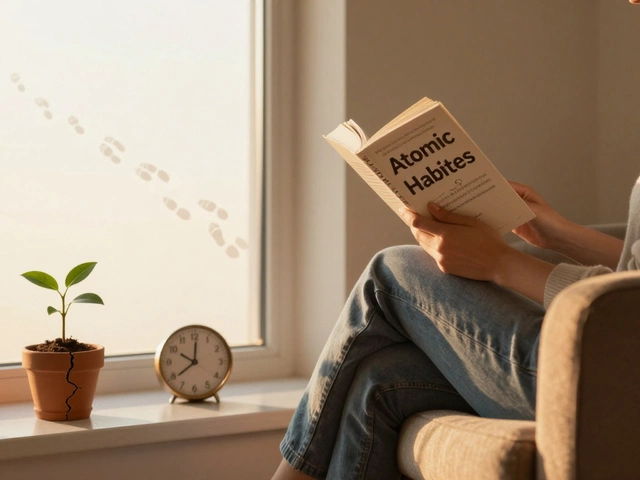
Best Life-Changing Books That Actually Work
Discover the best life-changing books that actually transform habits, mindset, and purpose. No fluff-just proven books that shift how you think and live.

What Is the 820 Rule? FDA 21 CFR 820, the 80/20 Pareto Principle, and the 8/20 Trading Signal
The '820 rule' isn’t one thing. It can mean FDA 21 CFR 820 (medical devices), the 80/20 Pareto principle, or the 8/20 moving average in trading. Here’s the difference and how to use each.
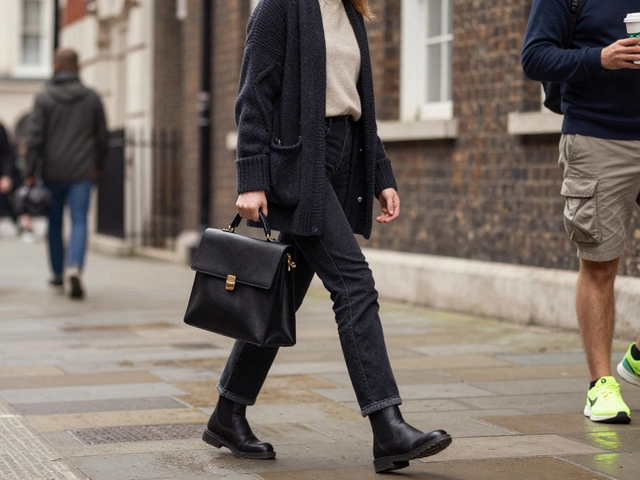
How to Dress Like a Local in London and Avoid Looking Like a Tourist
Learn how to dress like a local in London by avoiding common American tourist mistakes-skip loud logos, athletic wear, and white sneakers. Master quiet style, layering, and practical footwear to blend in effortlessly.
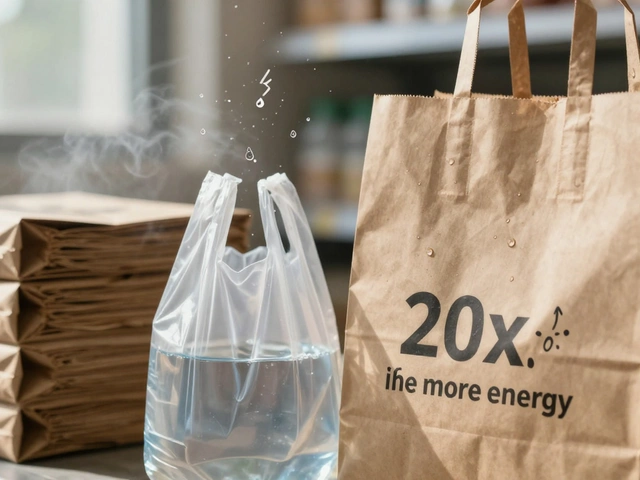
Is a paper bag really eco-friendly? The truth behind the buzz
Paper bags aren't automatically eco-friendly. They use more water and energy than plastic, often end up in landfills, and need to be reused many times to be better. The real solution? Bring your own reusable bag - consistently.