Eco-Friendly Fabrics: What They Are and Why They Matter
When you buy clothing labeled eco-friendly fabrics, textiles made with minimal environmental impact, using renewable resources and low-pollution methods. Also known as sustainable textiles, these materials are designed to last longer, break down safely, and avoid harming workers or ecosystems along the way. It’s not just about organic cotton or recycled polyester—true eco-friendly fabrics consider everything: how the fiber is grown, how much water it uses, what dyes are applied, and whether the factory pays fair wages.
Not all "green" labels are real. Some brands slap on "eco-conscious" just to sell more. But if you look closer, you’ll find real sustainable fashion, a system that values ethical labor, durable materials, and responsible end-of-life disposal. Also known as ethical clothing, it’s about making clothes that don’t cost the earth—or the people who make them. That’s why organic cotton, cotton grown without synthetic pesticides or GMO seeds is a starting point, not the finish line. Other strong options include TENCEL™, hemp, linen, and recycled nylon. Each has different strengths: hemp needs almost no water, linen comes from a plant that thrives without chemicals, and recycled fibers keep plastic out of landfills and oceans.
What you wear matters more than you think. The fashion industry produces 10% of global carbon emissions and uses 20% of wastewater. Choosing eco-friendly fabrics cuts that down. But it’s not just about swapping one shirt for another. It’s about understanding what’s behind the tag: Is the dye non-toxic? Was the fabric made in a facility with clean water systems? Are workers paid enough to live on? These questions separate real progress from greenwashing.
You don’t need to overhaul your whole wardrobe overnight. Start by noticing what’s already in your closet. Look for natural fibers. Avoid blends with polyester unless they’re recycled. Check for certifications like GOTS or Fair Trade. And when you do buy new, choose quality over quantity—something that lasts five years beats five things that last six months.
Below, you’ll find real guides that cut through the noise. From how to tell if a brand is actually sustainable, to what happens to your old clothes after you donate them, these posts give you the facts—not the fluff. No jargon. No hype. Just clear, practical info to help you make smarter choices without feeling overwhelmed.
Healthiest Clothing: Best Fabrics for Skin & Wellness
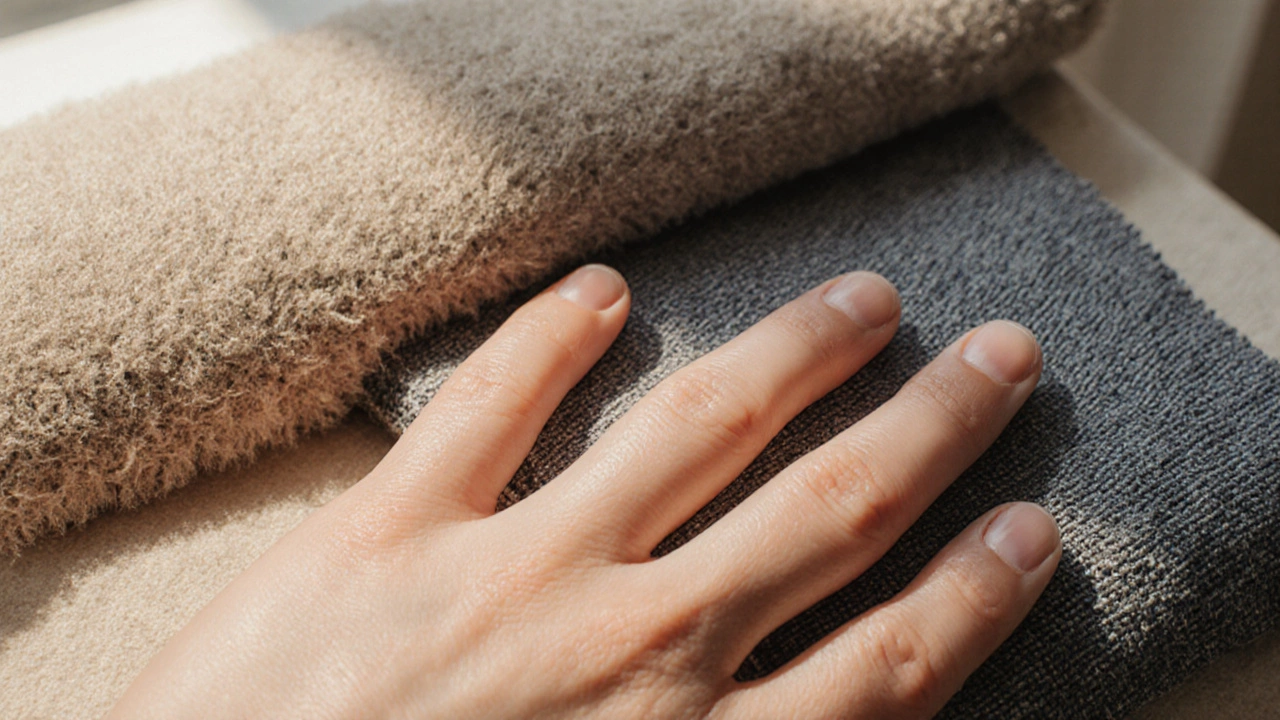
Learn which fabrics are truly skin‑friendly, how to spot low‑toxin certifications, and care tips to keep your wardrobe healthy and sustainable.
Categories
RECENT POSTS

How to Reset Your Brain: Practical Techniques for Mental Clarity and Stress Relief
Discover practical ways to reset your brain and combat mental fatigue. Learn science-backed techniques for instant relief and long-term resilience.

The Ultimate Night Skincare Routine: What to Use Before Bed
Discover the perfect night skincare routine to repair and rejuvenate your skin. Learn about double cleansing, retinol, and moisturizers for glowing, healthy skin.

What Should You Eat to Stop Losing Weight? A Practical Guide to Healthy Stabilization
Discover practical strategies to stop unintentional weight loss. Learn how to choose nutrient-dense foods, calculate your energy balance, and build a sustainable eating plan for healthy weight stabilization.

3 Key Benefits of Practicing Mindfulness
Discover three powerful ways mindfulness can lower stress, sharpen focus, and boost emotional wellbeing, backed by science and real‑life tips.