Daily Mental Wellbeing Tracker
Your Daily Wellbeing Check
Track your small wins today. Pick 1-2 habits that feel manageable.
Your Wellbeing Report
Consistent small actions build lasting wellbeing. Remember: Progress isn't linear. One checkmark today counts as success.
Feeling drained, overwhelmed, or just not quite yourself? You’re not alone. In New Zealand, one in five adults reports feeling mentally unwell in any given month. But here’s the truth: improving your mental wellbeing isn’t about big changes or expensive therapy sessions. It’s about small, consistent actions that add up over time. You don’t need to fix everything at once. You just need to start somewhere.
Move your body - even a little
Your brain and body are connected in ways most people ignore. Physical activity isn’t just for losing weight or building muscle. It’s one of the most effective ways to reset your mood. You don’t need to run a marathon. A 20-minute walk around the block, dancing in your kitchen, or stretching while watching TV can shift your brain chemistry. Studies show that regular movement increases serotonin and endorphins - the same chemicals that antidepressants target. In Wellington, where rain is common, many people find that walking along the waterfront, even in drizzle, helps clear mental fog. The key? Do it consistently, not perfectly.
Sleep isn’t optional - it’s medicine
If you’re skimping on sleep to get more done, you’re actually making things worse. Poor sleep doesn’t just make you tired. It makes you more reactive, more anxious, and less able to handle stress. Adults need 7-9 hours of quality sleep. That means turning off screens at least 30 minutes before bed. Try reading a physical book instead of scrolling. Keep your room cool and dark. If you wake up at 3 a.m. worrying, write down your thoughts on paper. Don’t try to solve them in your head. Your brain needs downtime to process emotions. Think of sleep like charging a phone - you can’t run on 10% forever.
Connect with people who ground you
Social isolation is one of the biggest silent killers of mental wellbeing. It doesn’t matter how many followers you have online. What matters is having at least one person you can call when things feel heavy. That could be a friend, a sibling, a neighbor, or even a pet. In New Zealand, many people find comfort in community groups - book clubs, volunteering, gardening circles. You don’t need to be the life of the party. Just showing up matters. A 10-minute chat with someone who listens without fixing things can lower cortisol levels. If you’re struggling to reach out, start small. Send a text. Say, “I’ve been thinking about you.” You’d be surprised how often that’s enough.
Reduce digital noise - your brain can’t keep up
Constant notifications, endless news cycles, and comparison-heavy social media are rewiring your attention span. Your brain wasn’t designed to process 500 pieces of information per hour. Try this: turn off non-essential alerts. Delete apps that make you feel worse after using them. Set a daily screen time limit - even 30 minutes less per day makes a difference. Instead of scrolling before bed, try journaling. Write down three things you noticed today - a bird singing, the smell of rain, the warmth of your coffee. This trains your brain to focus on what’s real, not what’s viral.

Practice mindful breathing - no meditation app needed
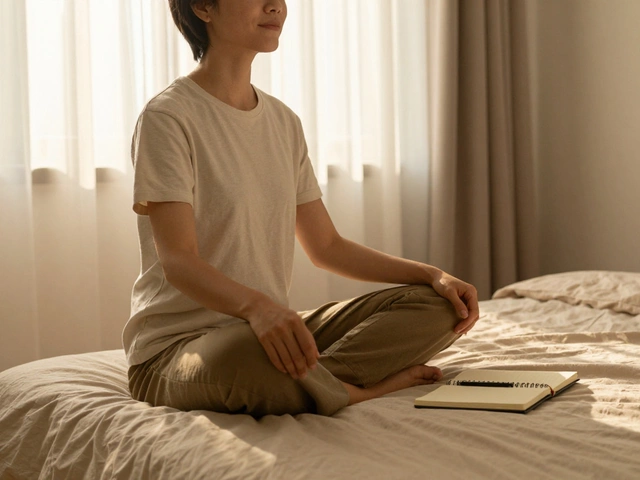
You don’t need to sit cross-legged for an hour to be mindful. Just pause. Breathe in slowly through your nose for four counts. Hold for two. Breathe out through your mouth for six. Do that three times. That’s it. This simple technique activates your parasympathetic nervous system - the part that tells your body, “You’re safe.” Try it before a meeting, after an argument, or when you’re stuck in traffic. People who do this daily report feeling calmer, even when nothing else changes. It’s not magic. It’s biology.
Get sunlight - even on cloudy days
Light regulates your circadian rhythm, your mood, and your energy levels. In winter, when daylight is short, many people in New Zealand feel more sluggish or down. That’s not laziness - it’s a biological response. Try to get at least 15-20 minutes of natural light each day. Sit by a window. Walk to the bus stop. Eat lunch outside. Don’t wear sunglasses unless it’s bright. Your eyes need to catch the full spectrum of daylight. This helps your body produce vitamin D and serotonin naturally. No pills needed.
Limit alcohol and sugar - they’re mood traps
Alcohol might help you unwind at first, but it’s a depressant. It disrupts sleep, lowers serotonin, and amplifies anxiety the next day. Sugar gives you a quick rush, then a crash that leaves you irritable and tired. That afternoon cookie might feel like a treat, but it’s setting you up for a low point later. You don’t have to quit entirely. Just notice the pattern. Are you reaching for wine because you’re tired? Sugar because you’re stressed? Swap one habit at a time. Replace a nightcap with herbal tea. Swap a sugary snack for fruit or nuts. Small shifts create lasting change.

Find meaning - not just productivity
Modern life pushes us to do more, earn more, achieve more. But mental wellbeing comes from feeling like your life matters. That doesn’t mean you need a grand purpose. It could be cooking for someone you love, fixing a broken shelf, planting herbs on your windowsill, or listening to a friend cry. These small acts of care - for others or yourself - build a sense of belonging. When you feel useful, even in tiny ways, your brain releases oxytocin. That’s the bonding hormone. It counteracts stress. Ask yourself: “What did I do today that felt meaningful?” Write it down. Over time, you’ll start to see patterns. That’s your personal roadmap to wellbeing.
When to ask for help
Improving mental wellbeing doesn’t mean you have to do it alone. If you’ve tried these steps for a few weeks and still feel stuck, hopeless, or overwhelmed, it’s time to reach out. Talking to a GP, counselor, or community health worker isn’t a sign of weakness - it’s a smart move. In New Zealand, services like Lifeline, Beyond Blue, and free counseling through PHOs are available. You don’t need a crisis to qualify. Feeling persistently low, losing interest in things you used to enjoy, or having trouble getting out of bed are all valid reasons to ask for support. You deserve help. And help exists.
Start with one thing - and stick with it
Trying to overhaul your whole life at once is how people burn out. Pick one thing from this list. Just one. Maybe it’s walking for 15 minutes every morning. Or turning off your phone an hour before bed. Or texting a friend once a week. Do that for 21 days. Don’t worry about the rest. Once it becomes routine, pick another. Progress isn’t linear. Some days will be harder. That’s normal. What matters is that you keep showing up - even in small ways. Mental wellbeing isn’t a destination. It’s a daily practice. And you’re already on the path.
Can I improve my mental wellbeing without therapy?
Yes, many people see real improvements through daily habits like movement, sleep, connection, and reducing digital overload. These aren’t replacements for therapy, but they’re powerful tools that work for most people. Therapy becomes essential when symptoms are persistent, severe, or interfere with daily life - like not being able to work, sleep, or enjoy relationships.
How long until I feel better?
Some people notice a shift in energy or mood within a week of starting one new habit - like walking daily or cutting back on late-night scrolling. But lasting change takes time. Most research shows that consistent practice for 4-8 weeks leads to measurable improvements in anxiety and low mood. Don’t expect overnight results. Focus on consistency, not speed.
Is mental wellbeing the same as mental health?
They’re related but different. Mental health refers to your overall psychological state - including whether you have a diagnosed condition like depression or anxiety. Mental wellbeing is about how you feel day to day: your sense of calm, purpose, connection, and resilience. You can have good mental wellbeing even with a mental health condition, and vice versa. The goal is to build wellbeing regardless of your diagnosis.
What if I don’t have time for all of this?
You don’t need to do everything. Start with one habit that fits into your current routine. If you’re busy, try pairing it with something you already do. Listen to calming music while brushing your teeth. Take three deep breaths before checking email. Walk while talking on the phone. Tiny moments add up. It’s not about adding more to your plate - it’s about replacing habits that drain you with ones that restore you.
Does weather affect mental wellbeing?
Yes, especially in places like New Zealand with long winters and limited daylight. Seasonal changes can trigger low mood, fatigue, or irritability - this is known as seasonal affective disorder (SAD). The best fix? Get natural light, even on cloudy days. Open curtains, sit near windows, and spend time outside. Light therapy lamps can help too, but nothing beats real sunlight. Many people in Wellington find that morning walks, even in rain, improve their mood more than any supplement.