Edinburgh Tourism: What to See, Do, and Avoid as a Visitor
When you think of Edinburgh tourism, the capital of Scotland known for its historic streets, castle, and festivals. Also known as Scotland’s cultural heart, it draws over 4 million visitors a year—not just for the sights, but for the feeling of walking through centuries of stories. But not everyone leaves with the experience they hoped for. Crowds, bad weather, and overpriced tours can ruin the vibe if you don’t know what to look for.
What makes Edinburgh, a city built on volcanic rock with a medieval Old Town and elegant Georgian New Town so special isn’t just the castle or the Royal Mile. It’s the way the city pulls you in—narrow closes, hidden courtyards, street musicians playing in the rain, and the smell of fresh haggis from a cart tucked beside a 400-year-old wall. The Edinburgh Festival Fringe, the world’s largest arts festival, held every August turns the whole city into a stage, but even outside festival season, the energy stays alive. And while most tourists stick to the main drag, the real magic happens in places like the Grassmarket, Dean Village, or the hidden steps behind St Giles’ Cathedral.
But here’s what no one tells you: Edinburgh isn’t a theme park. It’s a working city with real people, real traffic, and real weather. You’ll need good shoes, a waterproof jacket, and the willingness to get lost. Skip the overhyped bus tours—walk instead. The Royal Mile, the spine of the Old Town connecting Edinburgh Castle to Holyrood Palace is packed, but if you turn left at any of the closes, you’ll find quiet alleys, local pubs with live folk music, and cafes where the barista knows your name by day three. And if you’re worried about safety, don’t be. Most areas are perfectly safe, even at night. Just avoid the sketchy spots near Waverley Station after midnight, and keep your phone tucked away like a local.
What you’ll find below isn’t a list of top 10 attractions. It’s a collection of real, practical advice from people who’ve walked these streets, survived the rain, and learned where the best tea is served without the queue. You’ll read about how to avoid tourist traps that charge £15 for a sandwich, how to find free viewpoints with better views than the castle, and why you should never trust a ‘secret’ whisky tasting that starts at 10 a.m. on a Monday. Whether you’re here for one day or one week, these posts give you the kind of info you won’t find on a brochure.
Edinburgh: The UK’s Most Popular Tourist Town After London
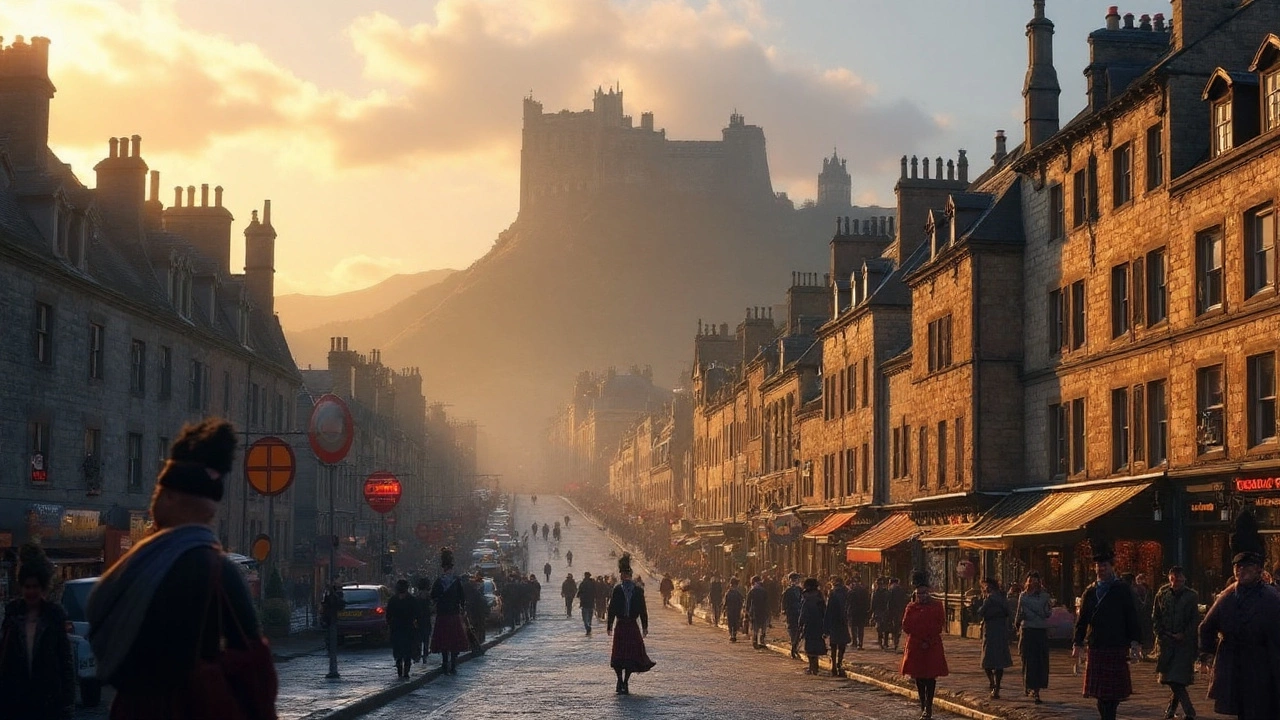
Discover why Edinburgh tops the list of UK tourist towns after London, with visitor stats, attractions, and handy travel tips for a memorable visit.
Categories
RECENT POSTS

What Is the Golden Rule in Everyday Life? A Minimalist Approach to Living Better
The golden rule in everyday life isn't just about treating others well-it's about treating yourself with honesty. Minimalism helps you cut through noise, keep only what truly matters, and live with more peace and clarity.

Unhealthy Work‑Life Balance: Definition, Signs & Solutions
Explore what makes a work-life balance unhealthy, spot warning signs, understand impacts, and learn practical steps to restore balance and prevent burnout.

Is Micellar Water a Toner? The Simple Truth Behind Your Skincare Step
Micellar water cleanses but doesn't balance skin like a toner. Learn the key differences, when to use each, and how to build a routine that actually works for your skin.

Essential Dinner Components for a Healthy Family Meal
Break down what every dinner needs for nutrition, joy, and ease. Make dinnertime the best time with practical tips and real-life ideas, straight from a busy Kiwi mum.
How Long Does It Realistically Take to Get in Shape at Home
Realistic timeline for getting in shape at home with basic equipment - no gym needed. See how long it takes to build strength, lose fat, and feel confident with consistent workouts.