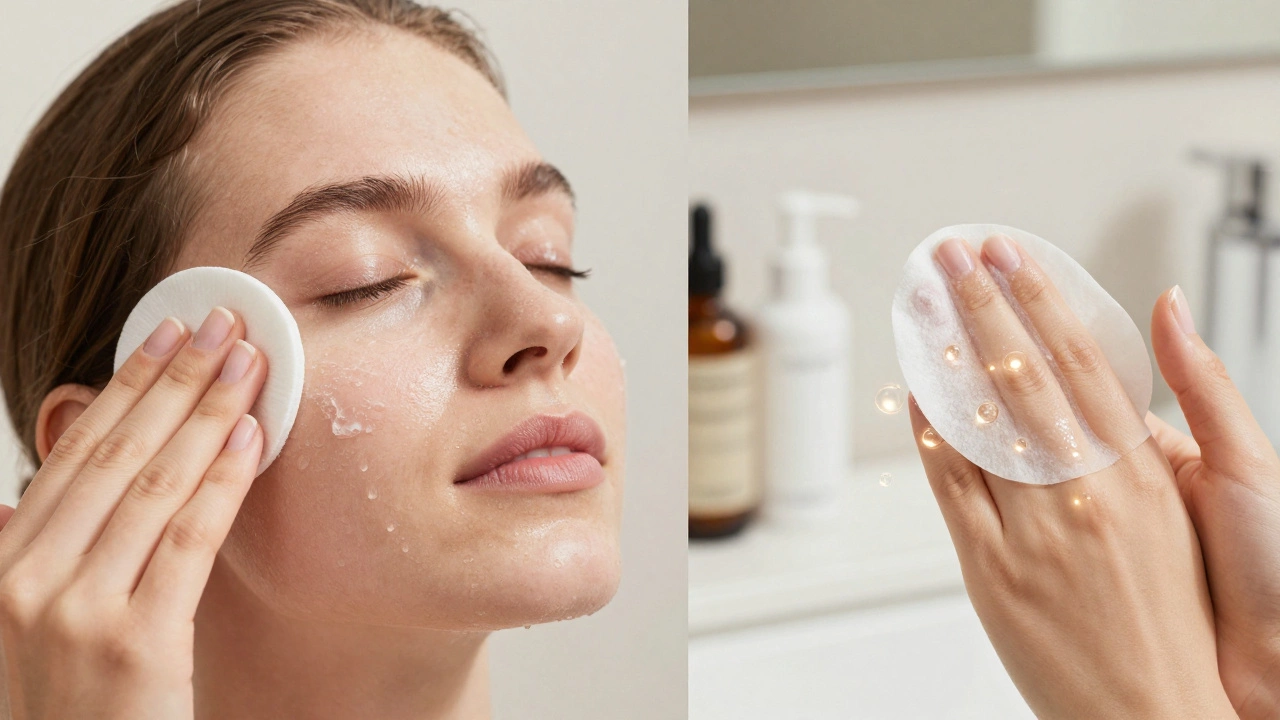
Let’s cut through the noise: micellar water is not a toner. But you’re not alone if you thought it was. Millions of people use it daily, often swapping it for toner without realizing they’re doing something different. And that’s okay-until your skin starts feeling dry, tight, or irritated. Then you start wondering: Am I doing this right?
What micellar water actually does
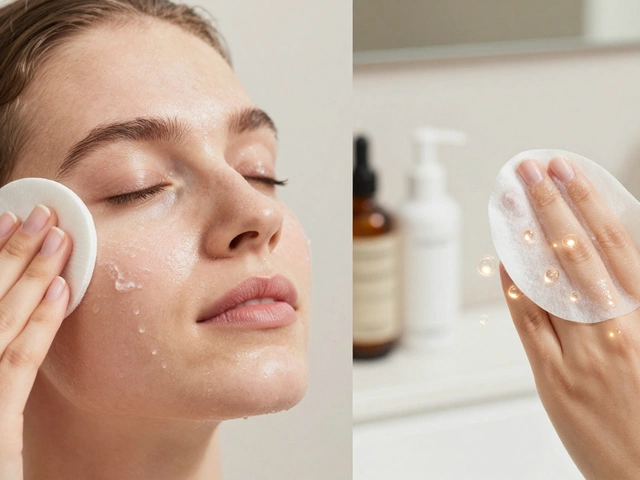
Micellar water is a gentle cleanser. It’s made of tiny oil molecules-called micelles-suspended in soft water. These micelles act like magnets for dirt, oil, and makeup. When you swipe a cotton pad soaked in micellar water across your face, those micelles grab onto impurities and lift them away. No rinsing needed. That’s why it’s so popular for quick cleanups, travel, or late-night routines.
It’s not designed to remove heavy sunscreen or waterproof mascara alone. Most people need a second cleanse if they’re wearing full makeup. But for light daily grime? It works like a charm. Brands like Bioderma, La Roche-Posay, and Garnier have made it a staple in skincare aisles worldwide.
What toner is supposed to do
A toner, on the other hand, comes after cleansing. Its job isn’t to remove dirt-it’s to balance your skin’s pH, prep it for serums, and sometimes deliver active ingredients. Traditional toners used to be alcohol-heavy and stripping. That’s why people got scared of them. But modern toners? They’re often hydrating, soothing, or even exfoliating.
Look at ingredients: hyaluronic acid, witch hazel, niacinamide, or glycolic acid. These are toner staples. They don’t clean-they correct. A toner might shrink pores temporarily, calm redness, or gently slough off dead cells. It’s the middle step between washing and treating.
Why people confuse the two
The confusion comes from marketing. Many brands label micellar water as a "cleansing toner" or "all-in-one solution." That’s misleading. It’s not wrong to say it cleanses and refreshes-but it doesn’t function like a true toner. You’re not restoring pH balance with micellar water. You’re not delivering actives. You’re just removing surface grime.
Also, both come in bottles. Both are applied with cotton pads. Both feel refreshing. To someone new to skincare, they look interchangeable. But if you’ve ever used a toner with salicylic acid and noticed your skin tingling? That’s not micellar water. That’s a treatment.
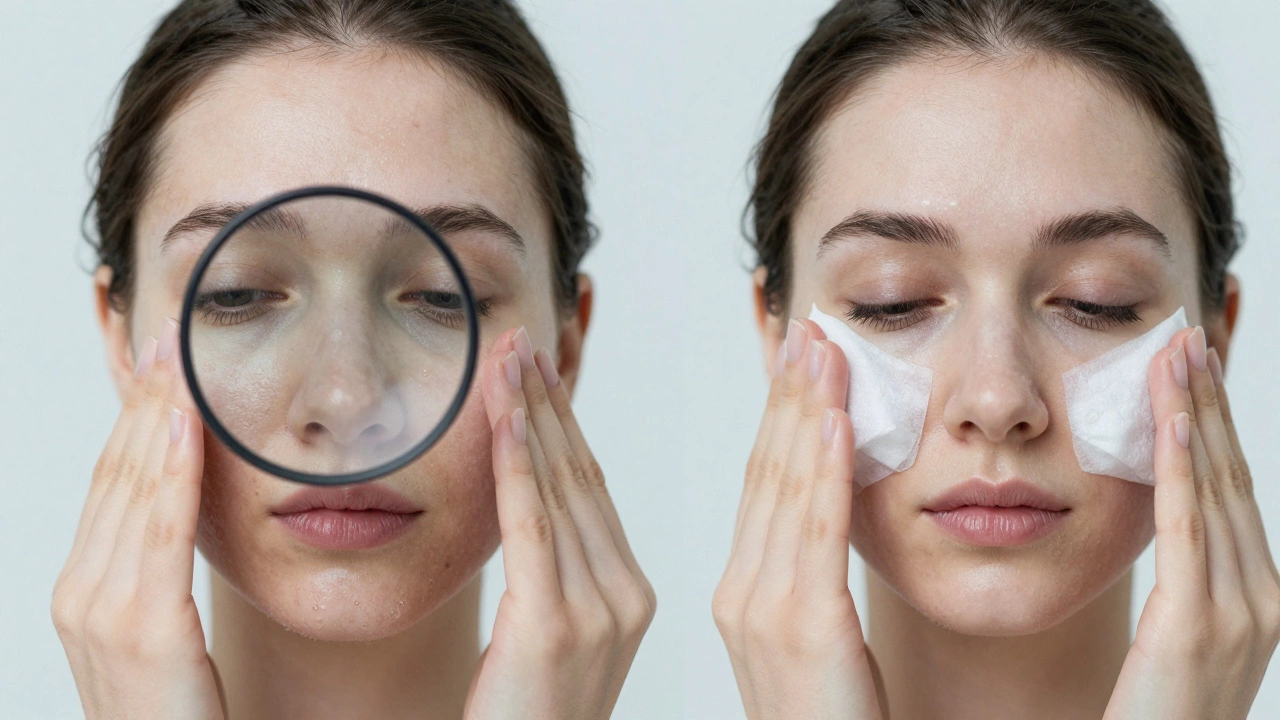
When to use each
Here’s the practical breakdown:
- Use micellar water when you need a quick clean: after a sweaty workout, before bed if you didn’t wear makeup, or while traveling. It’s ideal for sensitive skin because it’s usually fragrance-free and non-irritating.
- Use toner after washing your face with a cleanser. If you have oily skin, go for a toner with witch hazel or tea tree. If you’re dry, choose one with glycerin or rosewater. If you’re treating acne or dullness, look for AHAs or BHAs.
You can use both-but not in place of each other. A good routine might look like this: micellar water to remove surface dirt, then a gentle cleanser to deep clean, then toner to rebalance, then serum.
The real problem: skipping the cleanser
A lot of people think micellar water replaces washing their face. That’s risky. Micellar water doesn’t fully remove sebum, pollution, or sunscreen. It lifts debris, but it doesn’t dissolve oils the way a proper cleanser does. If you use it as your only cleanser long-term, you might end up with clogged pores, breakouts, or dull skin.
Studies from the Journal of Clinical and Aesthetic Dermatology in 2024 showed that double cleansing (oil-based cleanser + water-based cleanser) reduced pore congestion by 62% compared to using micellar water alone. That’s not a small number.

What to do instead
Here’s a simple, effective routine for most skin types:
- Start with micellar water to remove makeup or surface grime.
- Follow with a gentle cleanser (gel or cream) to wash away oils and sunscreen.
- Apply toner to restore pH and prep skin.
- Then go into serums and moisturizer.
Or, if you’re in a hurry: skip micellar water entirely and just use a cleanser. Then toner. That’s enough. You don’t need all the steps. But you do need the right tools for the job.
Who should avoid micellar water?
Most people can use it safely. But if you have:
- Very oily skin-micellar water might leave a film that makes pores feel clogged.
- Acne-prone skin-some formulas contain propylene glycol or fragrance that can irritate.
- Severe eczema-check ingredients. Some micellar waters have preservatives that trigger reactions.
Always patch test. Rub a bit on your jawline. Wait 24 hours. If no redness, itching, or stinging? You’re good.
Final answer: Not a toner. But still useful.
Micellar water is not a toner. It’s a cleanser. And it’s great at what it does-when used correctly. Don’t replace your toner with it. Don’t skip your cleanser for it. Use it as the first step, not the only step.
If you want glowing, balanced skin, you need both: something to clean, and something to restore. Micellar water cleans. Toner heals. They’re teammates, not substitutes.
Can I use micellar water instead of a toner?
No. Micellar water cleanses by removing surface dirt and makeup, but it doesn’t restore your skin’s pH or deliver active ingredients like a toner does. Using it as a toner means you’re missing out on balancing and prepping your skin for the next steps.
Do I need to rinse after using micellar water?
Technically, no-you don’t have to rinse. But if your skin feels sticky, tight, or sensitive afterward, rinsing with water can help. Especially if you have acne-prone or reactive skin. Rinsing removes any leftover residue and reduces irritation risk.
Can micellar water cause breakouts?
Yes, if you use it as your only cleanser or if it contains pore-clogging ingredients like mineral oil, propylene glycol, or fragrance. It doesn’t dissolve sebum deeply, so residue can build up over time. Always follow up with a proper cleanser if you’re wearing sunscreen or makeup.
Is micellar water good for sensitive skin?
Generally, yes. Many micellar waters are formulated without alcohol, fragrance, or harsh surfactants. Brands like Avene and CeraVe make versions specifically for sensitive skin. Always check the ingredient list and patch test first.
What’s the best way to use micellar water?
Soak a cotton pad and gently swipe across your face without rubbing. Use it as a first step to remove makeup or surface dirt, then follow with a water-based cleanser. Don’t use it as a replacement for washing your face-especially if you wear sunscreen or makeup daily.