Emotional Resilience: How to Bounce Back Stronger in Everyday Life
When life knocks you down—whether it’s a bad day at work, a broken relationship, or just the weight of constant pressure—emotional resilience, the ability to adapt and recover from stress without losing your sense of self. Also known as mental toughness, it’s not something you’re born with or without. It’s a skill you build, one small choice at a time. You don’t need to be fearless. You just need to know how to get back up.
Real emotional resilience connects directly to mental wellbeing, a daily practice of caring for your inner state, not just fixing crises. It’s not about ignoring sadness or forcing positivity. It’s about noticing when you’re drained, giving yourself space to rest, and choosing small actions that rebuild your energy. That’s why mindfulness practice, focusing on the present moment without judgment shows up so often in resilient people’s routines. Five minutes a day of breathing, pausing, or just noticing your thoughts can reset your nervous system. And it’s not magic—it’s science. Studies show people who practice mindfulness respond to stress differently: they react less impulsively and recover faster.
Another quiet pillar of emotional resilience is self-compassion, treating yourself with the same kindness you’d offer a friend who’s struggling. Most of us are harsher on ourselves than we’d ever be on anyone else. But self-criticism doesn’t motivate—it drains. Resilient people don’t beat themselves up when they fail. They ask: What do I need right now? Maybe it’s sleep. Maybe it’s a walk. Maybe it’s saying no to one more thing. That’s not weakness. That’s strategy.
And here’s the thing: emotional resilience isn’t built in big moments. It’s stitched together in the small ones. Choosing to drink water instead of another coffee when you’re exhausted. Letting yourself cry without shame. Turning off notifications for an hour. Saying no to a meeting that doesn’t serve you. These aren’t grand gestures. They’re daily acts of self-preservation. And they add up.
Stress management isn’t about eliminating stress—it’s about managing how it affects you. That’s why the posts below don’t just talk about feeling better. They show you how to build habits that make you harder to break. You’ll find real stories about people who rebuilt their energy after burnout, learned to set boundaries without guilt, and turned simple routines into anchors in chaotic times. No fluff. No toxic positivity. Just practical steps that work in real life—whether you’re juggling a job, caring for someone, or just trying to keep your head above water.
How to Improve Your Mental Wellbeing: Simple, Proven Steps for Daily Life

Learn simple, science-backed ways to improve your mental wellbeing every day - from walking and sleep to connection and reducing screen time. No therapy required, just small habits that make a big difference.
Categories
RECENT POSTS

How to Get Rid of Pooch Belly: A Realistic Guide to Toning Your Lower Abs
Learn how to realistically get rid of a pooch belly by targeting the transverse abdominis, managing cortisol, and fixing pelvic tilt for a flatter stomach.

What Exercise Burns the Most Belly Fat? The Truth About Spot Reduction and Home Workouts
Discover the truth about burning belly fat. Learn why spot reduction fails and how HIIT, strength training, and home equipment like kettlebells can help you lose visceral fat effectively.
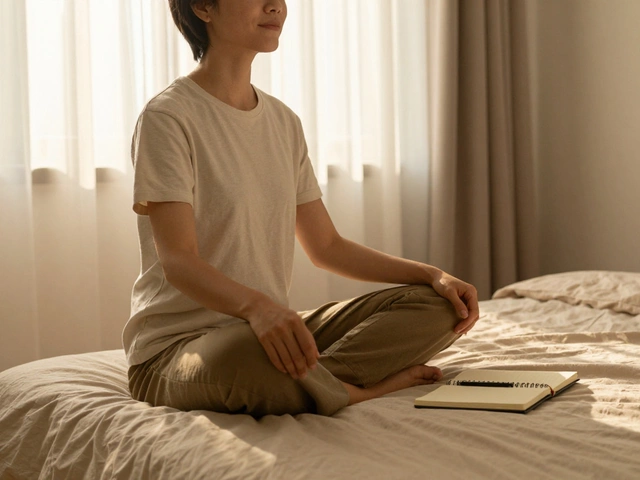
How to Heal Your Mind: Simple, Science-Backed Steps for Mental Wellbeing
Healing your mind starts with simple, daily habits - breath, movement, writing, connection, rest, and letting go of "should." Science-backed and practical, these steps help rebuild mental wellbeing without overwhelm.

How to Reset Your Brain: Practical Techniques for Mental Clarity and Stress Relief
Discover practical ways to reset your brain and combat mental fatigue. Learn science-backed techniques for instant relief and long-term resilience.

How to Start Practicing Mindfulness: A Beginner’s Guide
Learn how to start practicing mindfulness with simple, actionable steps. Discover techniques like the 3-minute breathing space and everyday integration tips.