Emotional Wellbeing: How Mindfulness, Balance, and Daily Habits Improve Your Mental Health
When we talk about emotional wellbeing, the state of being mentally and emotionally balanced, resilient, and in control of your reactions to daily stress. Also known as mental wellness, it’s not something you achieve once and forget—it’s built through small, consistent actions that add up over time. It’s not about avoiding bad days. It’s about having the tools to get through them without falling apart.
One of the most powerful tools for emotional wellbeing is mindfulness, the practice of paying attention to the present moment without judgment. It doesn’t require sitting cross-legged for an hour. Just five minutes a day—focusing on your breath, noticing your thoughts without reacting—can lower stress, improve focus, and help you respond instead of snap. Science shows it works, and it’s one of the most accessible habits anyone can start today. And it connects directly to another key piece: life balance, the alignment of work, rest, relationships, and personal needs. When one area dominates—like work or social media—it throws everything else off. People who feel emotionally stable aren’t the ones with perfect lives. They’re the ones who know when to pause, when to say no, and when to refill their own cup. Stress management isn’t a luxury. It’s a daily skill, like brushing your teeth. You don’t wait until your gums bleed to start.
You’ll find articles here that show you how to build emotional wellbeing without grand gestures. No retreats. No expensive apps. Just real, doable steps: how to practice mindfulness in five minutes, how to eat well on a tight budget so your body and brain get the fuel they need, how to declutter your space so your mind feels lighter, and how to choose clothing and routines that reduce daily friction. Some posts look at how AI helps you pick outfits so you waste less mental energy on decisions. Others show how gardening—yes, gardening—can ground you when everything else feels chaotic. You’ll see how sustainable fashion isn’t just about the planet; it’s about choosing clothes that last, which reduces the stress of constant buying and waste. Even how to stay safe walking around London ties in—when you feel physically secure, your emotional load drops.
This isn’t about fixing yourself. It’s about stacking small wins. A better night’s sleep. A walk without your phone. Eating something real instead of grabbing junk because you’re tired. These aren’t trends. They’re survival skills for modern life. And they all feed into emotional wellbeing—one quiet, intentional choice at a time.
3 Key Benefits of Practicing Mindfulness
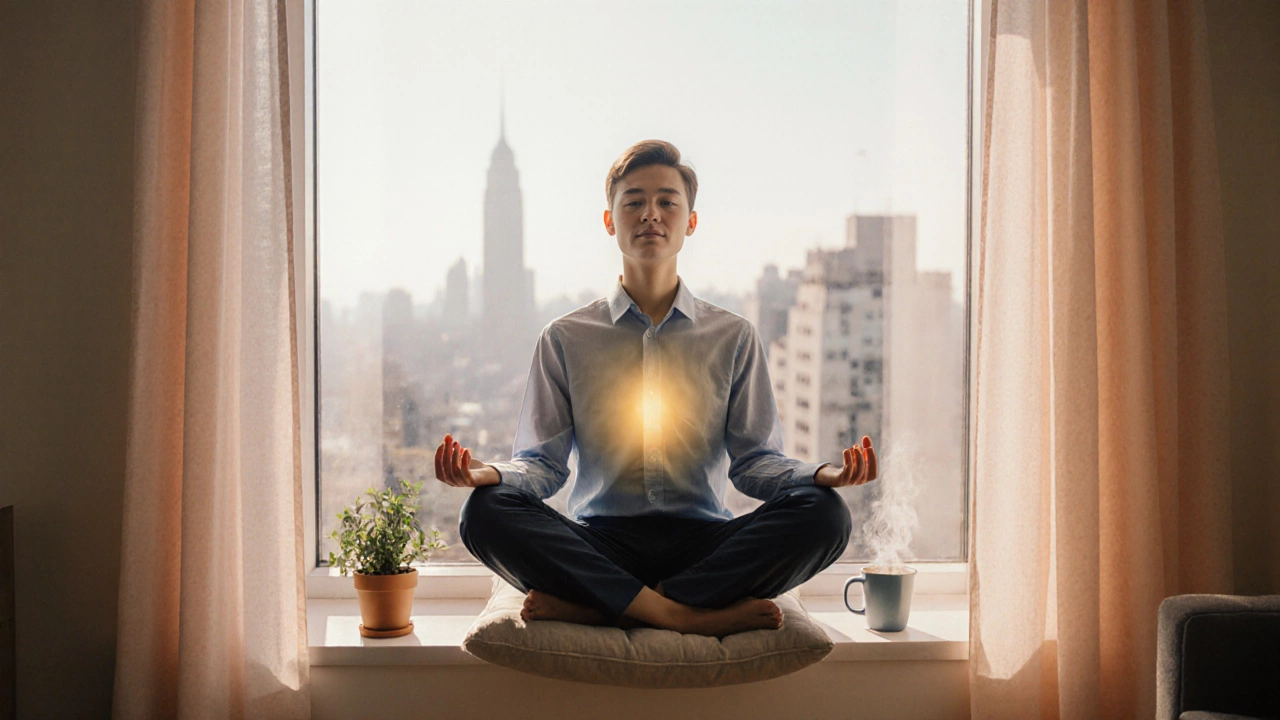
Discover three powerful ways mindfulness can lower stress, sharpen focus, and boost emotional wellbeing, backed by science and real‑life tips.
Categories
RECENT POSTS
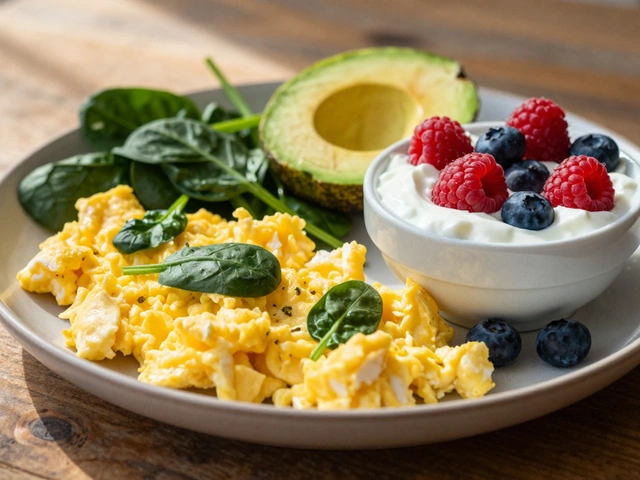
What to Eat to Lose Belly Fat in 1 Week: Realistic Food Guide
Discover realistic foods and strategies to reduce belly fat and bloating in one week. Learn what to eat, what to avoid, and how to create a sustainable calorie deficit for quick results.

Rule 406 Explained: Everything You Need to Know About Evidence of Habit or Routine Practice
Learn exactly what Rule 406 means in law, why it's important in court, and how it affects cases involving habits and routine practice. Clear, direct, and practical.

How to Have a Successful Vegetable Garden: A Practical Guide
Stop guessing and start growing. Learn the essential steps for a thriving vegetable garden, from soil prep to pest control.
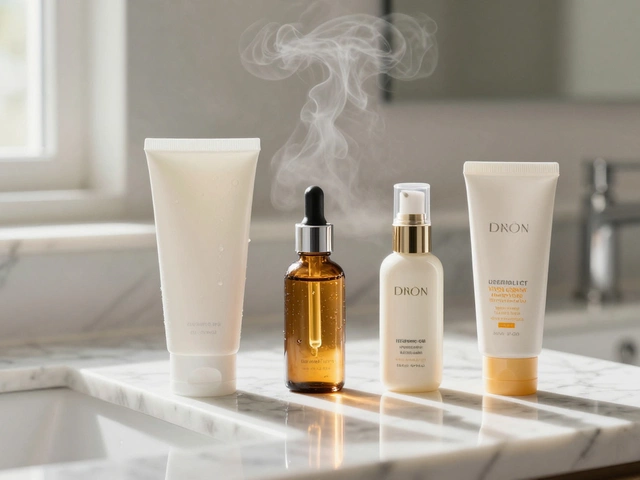
What Order Should Skincare Be In? The Simple Routine That Actually Works
Learn the correct order for your morning and night skincare routine to get real results. Skip the guesswork and build a simple, effective routine that works for your skin type.

What is the No. 1 Brand Recommended by Dermatologists?
Discover why CeraVe is the No. 1 brand recommended by dermatologists. Learn about its ceramide technology, how it repairs the skin barrier, and compare it with other top brands.