Daily Skincare Routine Planner
Your Skin Type & Concerns
Select the options that best describe your skin
Your Progress & Results
Skincare Consistency Progress
Key Insights for Your Skin
Understanding the science behind your skin
Your skin cells turn over every 28 days. It takes 4-6 weeks to see noticeable changes in texture and tone. Stick with your routine for at least 30 days to see real results.
Most people think flawless skin means expensive creams, laser treatments, or hours spent in front of the mirror. But the truth? It’s not about what you buy-it’s about what you do every single day. Real, lasting glow doesn’t come from a bottle. It comes from consistency, patience, and understanding your skin’s basic needs. If you’ve tried every product on the shelf and still see breakouts, dullness, or redness, you’re not doing anything wrong-you’re just missing the fundamentals.
Step 1: Cleanse, Don’t Strip
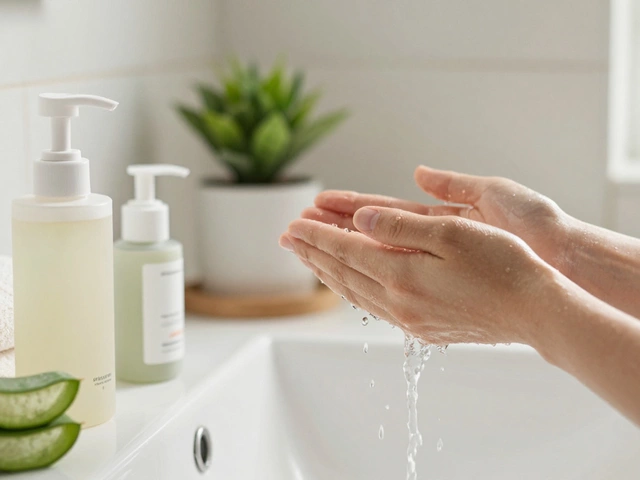
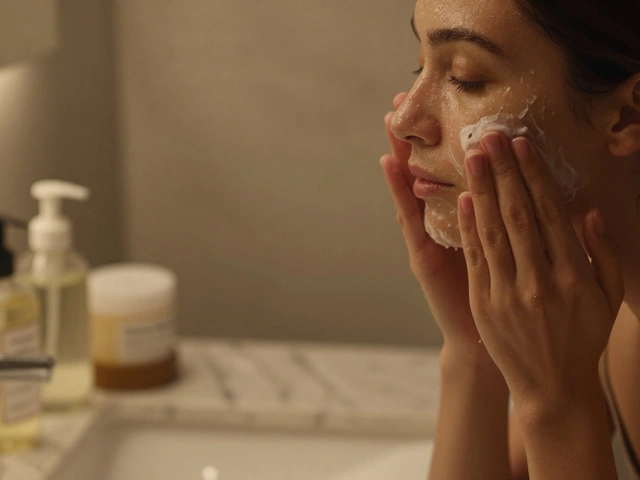
Your skin isn’t dirty because you didn’t wash it hard enough. Over-cleansing is one of the biggest mistakes people make. Using harsh soaps or scrubbing twice a day with foaming cleansers strips away natural oils, which tells your skin to produce even more oil. That’s why oily skin often turns into a greasy mess after washing.
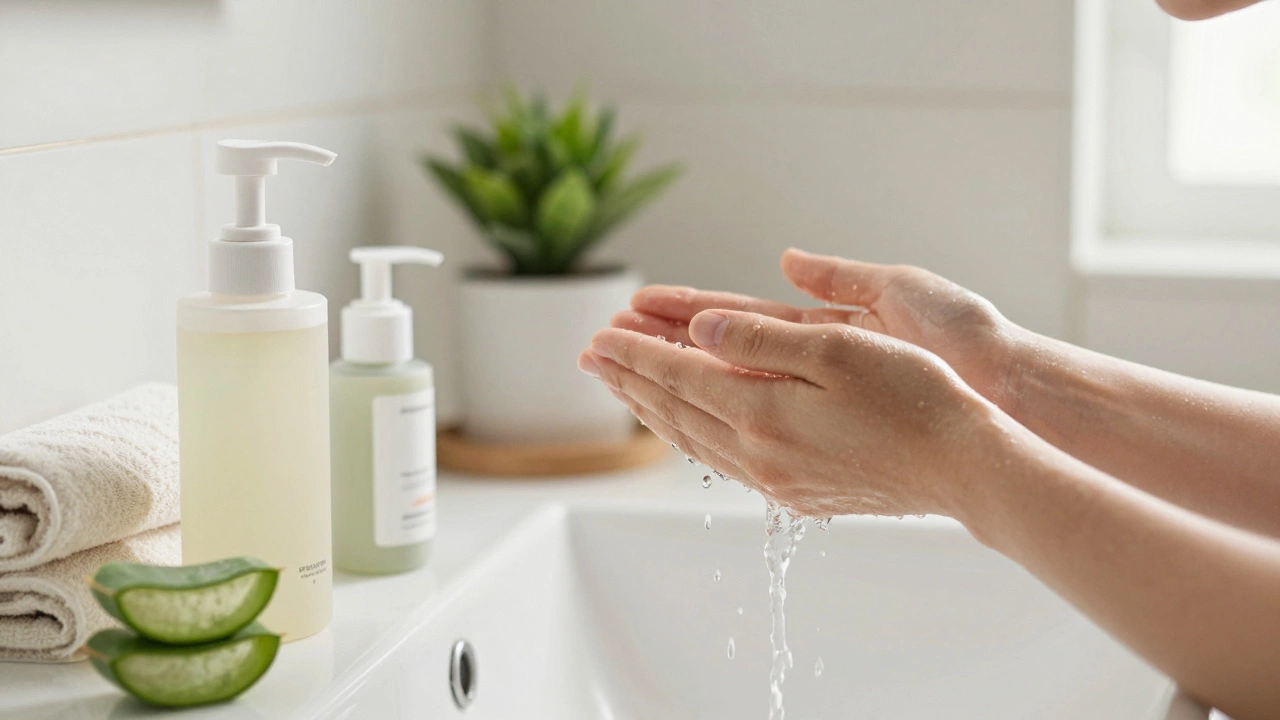
Instead, use a gentle, pH-balanced cleanser. Look for ingredients like glycerin, ceramides, or niacinamide. Wash with lukewarm water-hot water dries out your skin faster. Do it once in the evening to remove sunscreen, pollution, and makeup. In the morning? Just rinse with water. Your skin doesn’t need a full cleanse every single time.
Step 2: Hydrate Like You Mean It
Hydration isn’t just for drinking water (though that helps too). Your skin needs moisture to stay plump and resilient. A lot of people skip moisturizer because they have oily skin. Big mistake. Dry skin triggers more oil production. It’s a cycle.
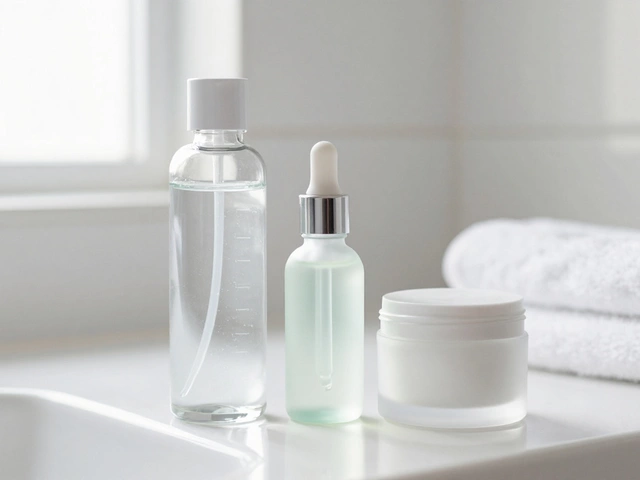
Use a lightweight, non-comedogenic moisturizer. Look for hyaluronic acid-it holds up to 1,000 times its weight in water. Apply it right after cleansing, while your skin is still damp. This locks in moisture better than waiting until everything’s dry. In Wellington’s cool, windy climate, a slightly richer cream at night makes a difference. Try one with squalane or shea butter.
Step 3: Sunscreen Is Non-Negotiable
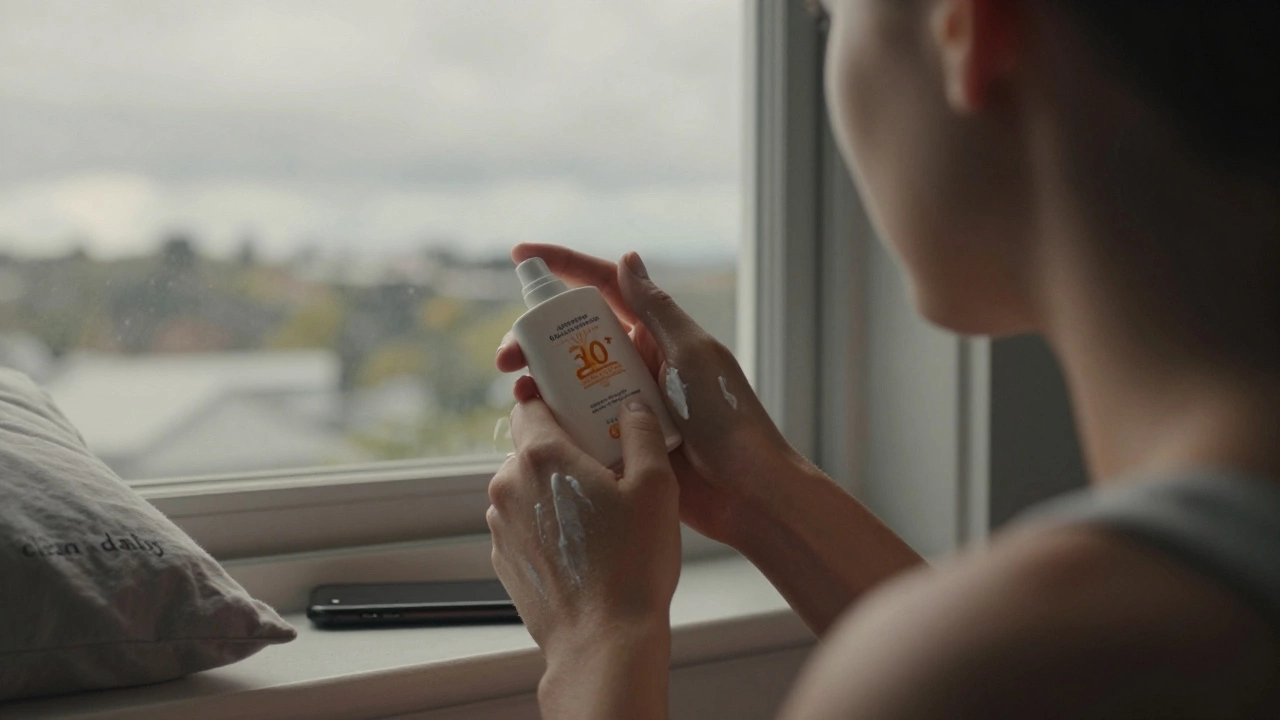
You’ve heard it a thousand times. But here’s the thing: 80% of visible aging and uneven tone comes from sun exposure-not age, not genetics. Even on cloudy days in Wellington, UV rays are strong enough to damage your skin. Skip sunscreen, and no serum or cream will fix what’s already breaking down.
Use SPF 30 or higher every morning. It doesn’t have to be thick or greasy. Many modern formulas are lightweight, invisible, and work under makeup. Reapply if you’re outside for more than four hours. Don’t forget your neck, ears, and hands. These areas show aging first.
Step 4: Less Is More With Actives
Retinol, vitamin C, acids-they sound powerful. And they are. But using them all at once? That’s how you end up with red, flaky, irritated skin. You don’t need to layer five serums to get results.
Start with one active. If you’re under 30 and mostly dealing with breakouts, try a low-dose retinoid (like adapalene) every other night. If you’re noticing dullness or dark spots, use a stable vitamin C serum in the morning. Wait four weeks before adding anything else. Let your skin adjust. Overdoing actives doesn’t speed up results-it breaks your skin barrier.
Step 5: Sleep, Stress, and Diet Matter More Than You Think
Skin doesn’t live in a vacuum. It reflects what’s happening inside. If you’re sleeping less than six hours, your cortisol (stress hormone) spikes. That leads to inflammation, breakouts, and slower healing. If you’re constantly stressed, your skin shows it.
Focus on three things: sleep, water, and food. Aim for 7-8 hours of sleep. Drink enough water-you don’t need eight glasses, but if your urine is dark yellow, you’re not getting enough. Eat more vegetables, especially leafy greens and colorful ones. They’re packed with antioxidants that fight free radicals. Cut back on sugar and processed snacks. Sugar breaks down collagen and causes glycation, which makes skin look sallow and aged.
Step 6: Touch Your Face Less
Your phone, your pillow, your hands-they’re covered in bacteria. Every time you rest your chin on your hand or rub your nose while scrolling, you’re transferring dirt, oil, and germs to your skin. This is why breakouts often appear in the same spots.
Wash your pillowcases twice a week. Clean your phone screen daily with an alcohol wipe. Try to notice when you touch your face. It’s a habit, and habits can be broken. Use a tissue if you need to wipe your skin. Your skin will thank you.
Step 7: Be Patient-Results Take Time
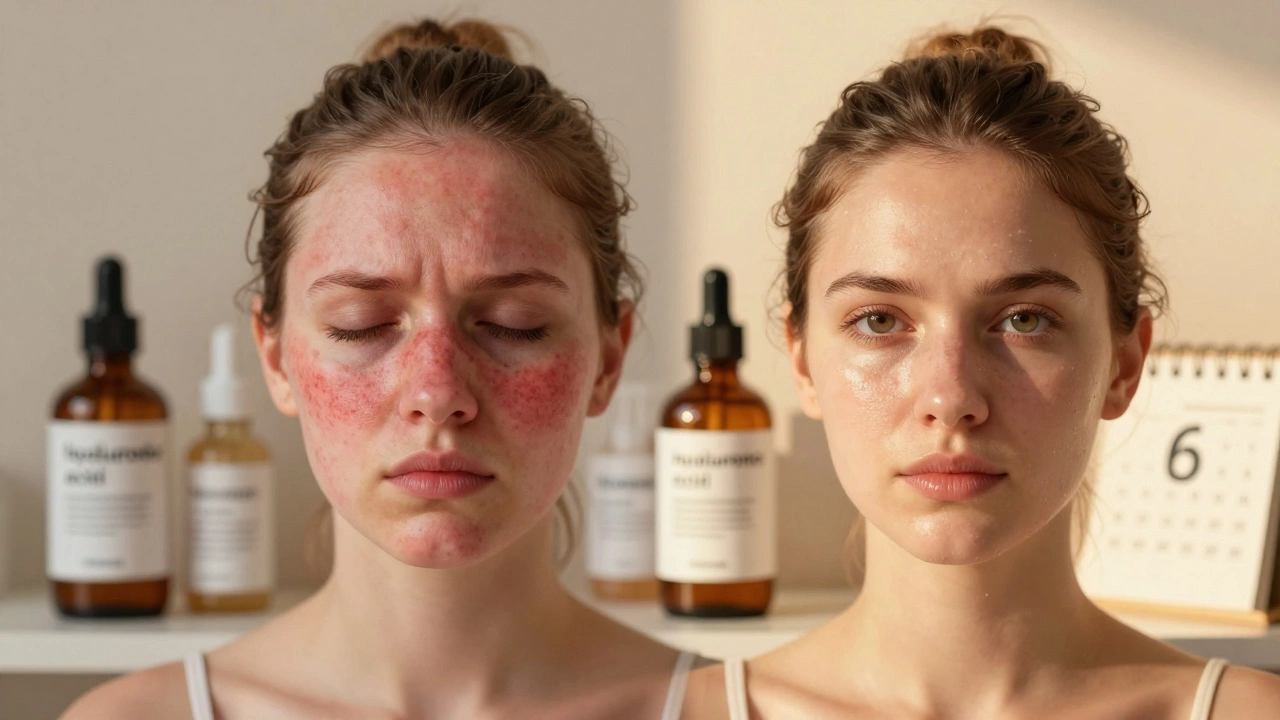
Flawless skin doesn’t happen in a week. It takes at least four to six weeks for your skin cells to turn over. That’s how long it takes for old, dull cells to rise to the surface and be replaced. If you switch products every two weeks, you’ll never give anything a fair shot.
Keep a simple routine: cleanse, moisturize, sunscreen. Add one active if needed. Stick with it. Track progress with photos. Take a picture every Sunday. You’ll see changes you didn’t notice day-to-day.
What Not to Do
- Don’t pop pimples-it leads to scarring and infection.
- Don’t use baking soda or lemon juice as home remedies. They’re too acidic and damage your skin’s barrier.
- Don’t skip sunscreen because you’re indoors. UVA rays penetrate windows.
- Don’t compare your skin to influencers. Most of them use filters, lighting, and professional makeup.
Realistic Expectations
Flawless doesn’t mean perfect. No one has skin without pores, freckles, or the occasional blemish. Flawless means healthy, even-toned, and glowing-not airbrushed. It means your skin looks like it’s thriving, not hiding.
Some people have naturally oily skin. Others deal with redness or dry patches. That’s normal. The goal isn’t to erase your skin’s character-it’s to support its health so it can shine naturally.
What to Look for in Products
When shopping, check the ingredient list. Avoid these:
- Sodium lauryl sulfate (SLS) - harsh foaming agent
- Fragrance (parfum) - common irritant
- Alcohol denat. - drying
- Mineral oil - can clog pores
Look for these instead:
- Hyaluronic acid - hydration
- Niacinamide - reduces redness, balances oil
- Ceramides - repair barrier
- Centella asiatica - calms irritation
Brands don’t matter as much as ingredients. A $12 moisturizer with ceramides works better than a $90 one with empty marketing claims.
| Time | Step | What to Use |
|---|---|---|
| Morning | Cleanse | Rinse with water |
| Morning | Treatment (optional) | Vitamin C serum |
| Morning | Moisturize | Lightweight, non-comedogenic moisturizer |
| Morning | Protect | SPF 30+ sunscreen |
| Night | Cleanse | Gentle, pH-balanced cleanser |
| Night | Treatment (optional) | Retinoid or niacinamide serum |
| Night | Moisturize | Richer cream (if needed) |
Frequently Asked Questions
Can I get flawless skin without spending money?
Yes. The most effective parts of a skincare routine-clean water, sleep, hydration, and sunscreen-cost little to nothing. A basic cleanser and moisturizer under $15 can work better than expensive serums if they contain the right ingredients. Focus on habits, not products.
Why does my skin look worse after starting a new product?
This is called purging. It happens when actives like retinoids or acids speed up skin cell turnover, bringing clogged pores to the surface. It usually lasts 2-6 weeks. If you’re breaking out in new areas, itching, or burning, it’s irritation-not purging. Stop the product and simplify your routine.
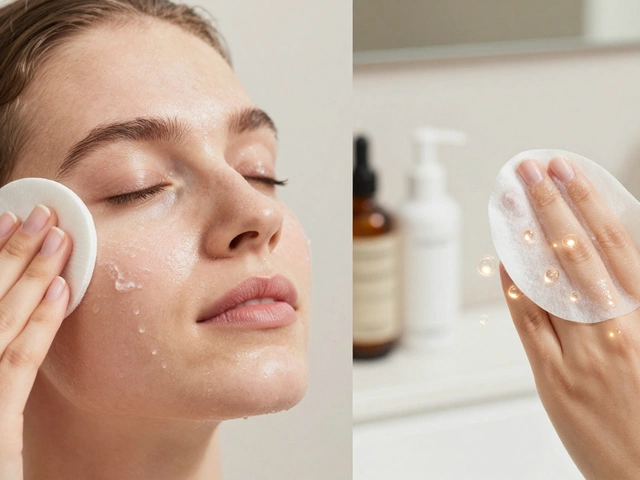
Do I need to use toner?
No. Toners were originally designed to remove soap residue, which modern cleansers don’t leave behind. Unless you have very oily skin and use a toner with niacinamide or witch hazel, skip it. Many toners are just water with alcohol and fragrance-harmful, not helpful.
How long until I see results?
You’ll notice less redness and smoother texture in 3-4 weeks. Brighter tone and fewer breakouts usually show up after 6-8 weeks. Flawless skin is built over months, not days. Consistency beats intensity.
Can diet really change my skin?
Absolutely. Studies show that high-glycemic diets (sugar, white bread, soda) worsen acne. On the flip side, eating more omega-3s (from fish, flaxseed, walnuts) and antioxidants (berries, spinach, green tea) reduces inflammation. Skin is a mirror of your internal health.
Next Steps
Start tomorrow. Pick one thing from this routine and stick with it for 30 days. Maybe it’s sunscreen. Maybe it’s washing your pillowcases. Maybe it’s drinking more water. Small changes compound. Your skin doesn’t need perfection-it needs consistency.
When you’ve mastered that one step, add another. Don’t rush. Flawless skin isn’t a destination. It’s a daily practice.