Fast Fashion: What It Is, Why It Matters, and How to Break the Cycle
When you buy a $10 t-shirt that falls apart after two washes, you’re taking part in fast fashion, a system of mass-producing cheap clothing at breakneck speed to match fleeting trends. Also known as throwaway fashion, it’s built on low wages, synthetic fabrics, and endless new drops that make last season’s styles feel outdated before you even wear them. This isn’t just about shopping habits—it’s about how we value clothes, workers, and the planet.
Behind every fast fashion item is a chain of exploitation: workers in Bangladesh or Vietnam stitching garments for less than $2 a day, rivers poisoned with dye from factories, and landfills swelling with polyester that won’t break down for 200 years. sustainable fashion, a movement focused on ethical production, durable materials, and fair labor, isn’t just a buzzword—it’s the only real alternative. And it’s not about buying less because you can’t afford it; it’s about buying less because you care enough to choose better.
People often confuse ethical fashion, brands that pay fair wages, avoid child labor, and prioritize transparency with eco-friendly labels. But a shirt made from organic cotton still isn’t ethical if the person who sewed it couldn’t afford medicine. True change needs both: materials that don’t kill the earth, and people who aren’t crushed by the system that makes them.
And here’s the hard truth: recycling programs by big fast fashion brands? Most of it’s greenwashing. Less than 1% of clothing is actually recycled into new garments. The rest gets shipped overseas, dumped in landfills, or burned. textile waste, the mountain of discarded clothes that ends up in landfills or incinerators every year is one of the fastest-growing pollution problems on the planet—and it’s directly tied to how often we buy and toss.
That’s why the posts here don’t just talk about buying less. They show you how to spot real sustainability, understand what happens after you throw something away, and make smarter choices without going broke. You’ll find guides on how to tell if a brand is lying about being green, what thrift stores like Goodwill actually do for the environment, and why minimalists wear the same black t-shirts for years. You’ll learn how to build a wardrobe that lasts, not one that lasts until the next sale.
This isn’t about perfection. It’s about awareness. You don’t need to quit shopping overnight. But if you’ve ever wondered why your clothes shrink after one wash, or why your favorite brand drops 50 new styles every month, you’re not alone—and you’re ready for better answers. What follows isn’t a list of guilt trips. It’s a practical toolkit for moving past fast fashion, one real choice at a time.
Is Target Fast Fashion? Honest Look at Their Clothing & Ethics
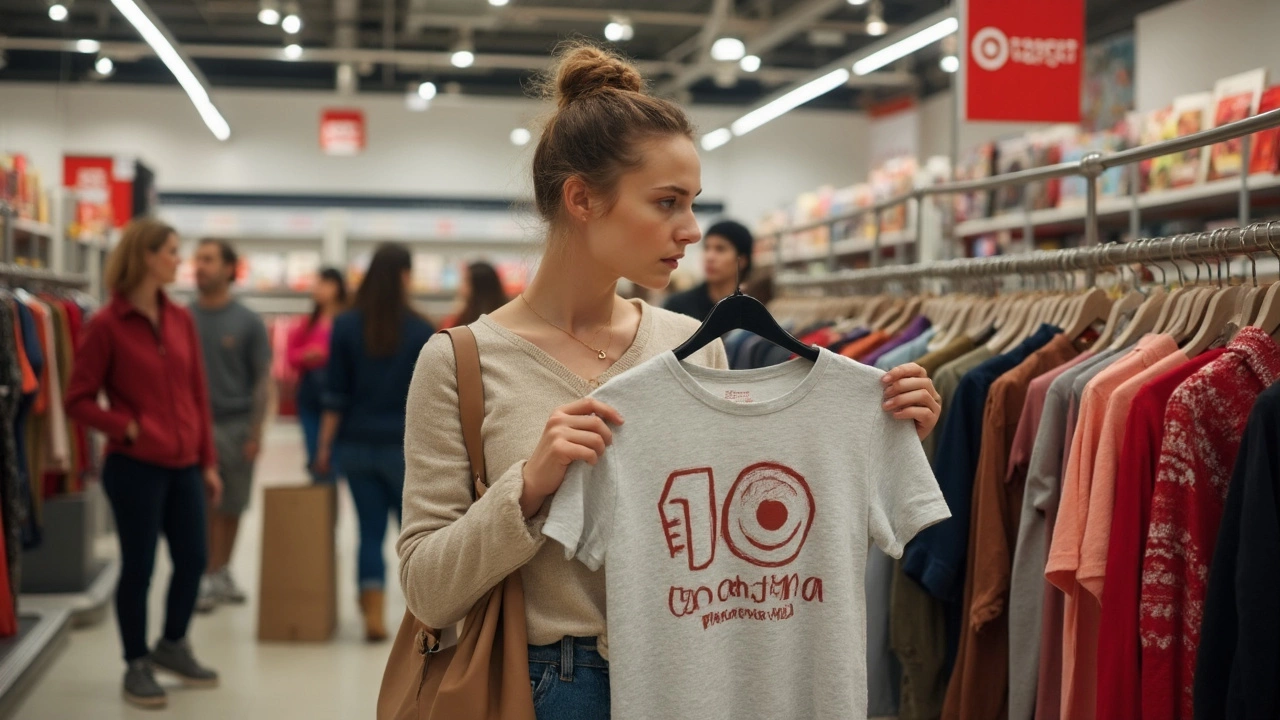
Does Target count as fast fashion? Dive deep into their clothing lines, sustainability efforts, and what really goes into those $10 tees everyone loves.
Categories
RECENT POSTS

Best Indoor Exercise: Top Workouts for Health and Fitness at Home
Get practical tips and a clear guide on the best indoor exercise. Learn which workouts deliver results, actual science behind them, and free ways to get fitter—right at home.

4 Essential Food Preparation Controls for Safe Meal Prep
Discover the four key food preparation controls-temperature, cross‑contamination, personal hygiene, and cleaning-to keep meals safe and tasty.
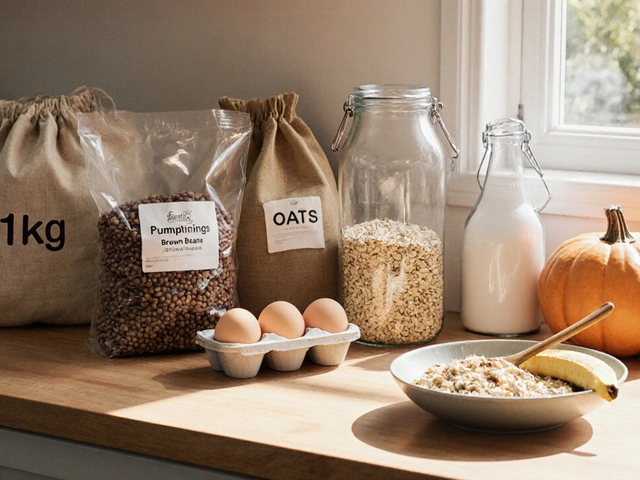
How to Eat Less Than $20 a Week on Healthy Meals
Learn how to eat healthy, filling meals on under $20 a week using simple, affordable ingredients like beans, rice, eggs, and seasonal veggies. No junk food. No stress. Just real food that works.

Top Skin Care Brands in 2025: Which One is Truly No. 1?
Discover which skin care brand stands at No. 1 in 2025, based on science, consumer reviews, and expert insights. Dive into facts, stats, and real tips for healthier skin.

What Is Mindful Eating? A Simple Guide to Eating With Awareness
Discover what mindful eating really means, its health benefits, step‑by‑step practices, tips, common pitfalls, and FAQs for everyday use.