Meal Prep Schedule Builder
Your Weekly Commitments
Tell us about your week to get a personalized meal prep plan
Your Personalized Plan
Based on your inputs, here's your optimized meal prep schedule
Estimated prep time:
Storage tip: Keep sauces separate from proteins and veggies until eating. Use glass containers with paper towels to absorb moisture.
Staring at your fridge on Sunday night with nothing but half-used veggies and a container of yogurt doesn’t have to be your routine. A good meal prep schedule isn’t about spending all day cooking or eating the same boring chicken breast every day. It’s about setting up a system that actually works with your life-not against it.
Start with Your Real Week
Most people fail at meal prep because they plan for a perfect week that doesn’t exist. You don’t have six hours on Sunday. You have 90 minutes between picking up the kids and soccer practice. So start there. Take a look at your calendar for the next seven days. Mark off:- Days you’ll eat out or order in
- Days you have late meetings or gym classes after work
- Days you’re too tired to cook
Build Your Template, Not a Menu
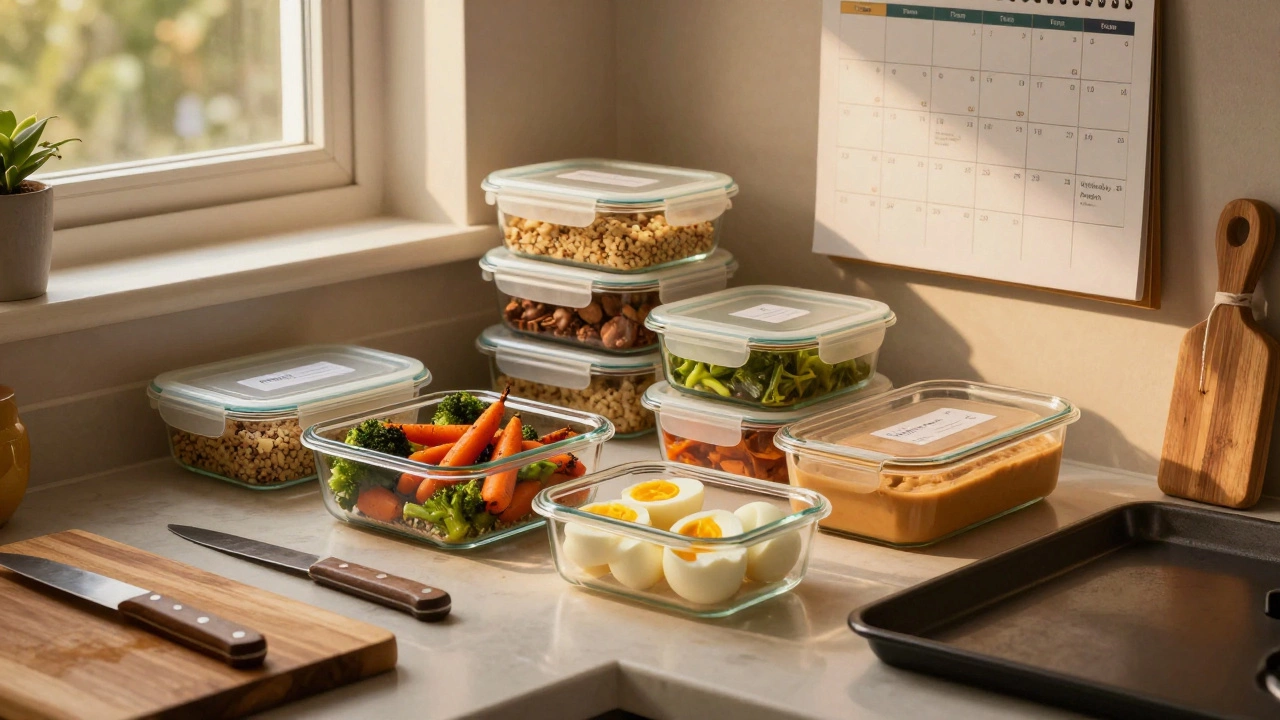
A good meal prep schedule doesn’t mean following a rigid recipe every single day. It means having a flexible template you can swap ingredients in and out. Here’s a basic structure that works for most people:- 1 large batch of grain or starch (brown rice, quinoa, sweet potatoes)
- 2 proteins (chicken, tofu, beans, eggs)
- 3 roasted or steamed vegetables (broccoli, bell peppers, zucchini)
- 1 sauce or dressing (tahini, salsa, soy-ginger glaze)
When to Prep: Sunday or Midweek?
The classic advice is to prep on Sunday. But if you’re exhausted after a long weekend or have family plans, that’s not realistic. Try this instead: split your prep.- Sunday: Cook grains, roast vegetables, hard-boil eggs, make sauce. These keep well for 5 days.
- Wednesday: Cook fresh protein (chicken, fish, lentils). Chop fresh herbs or greens for salads.
Storage That Actually Works
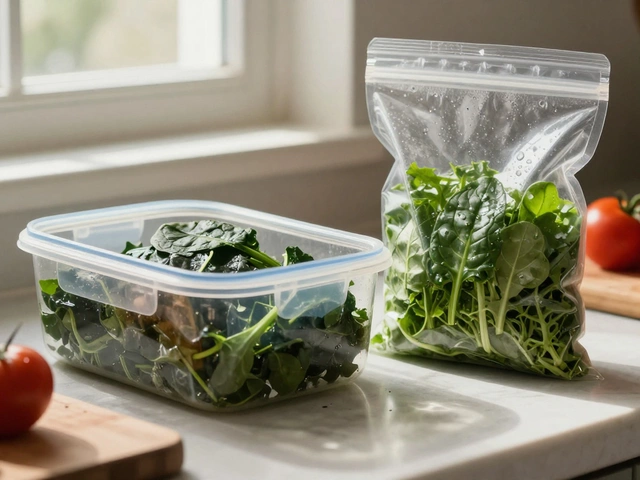
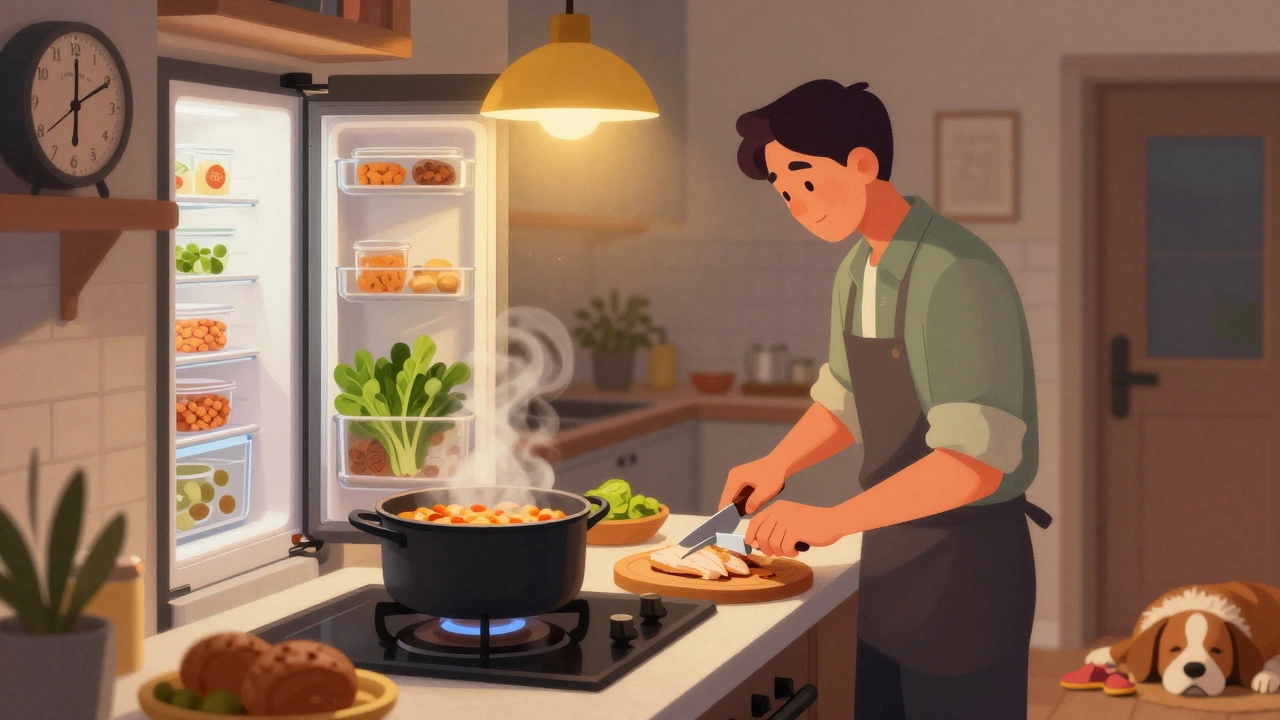
You can prep all the food in the world, but if it goes bad by Tuesday, you’re wasting time and money. Use these simple rules:- Store grains and roasted veggies in airtight containers with a paper towel on top to absorb moisture.
- Keep sauces separate from proteins and veggies until you’re ready to eat. Wet food gets soggy fast.
- Label everything with a Sharpie. Write the date and what’s inside. No more guessing what that green thing is.
- Use glass containers if you can. They don’t stain, don’t hold smells, and microwave evenly.
Keep It Simple: 3 Recipes, 7 Days
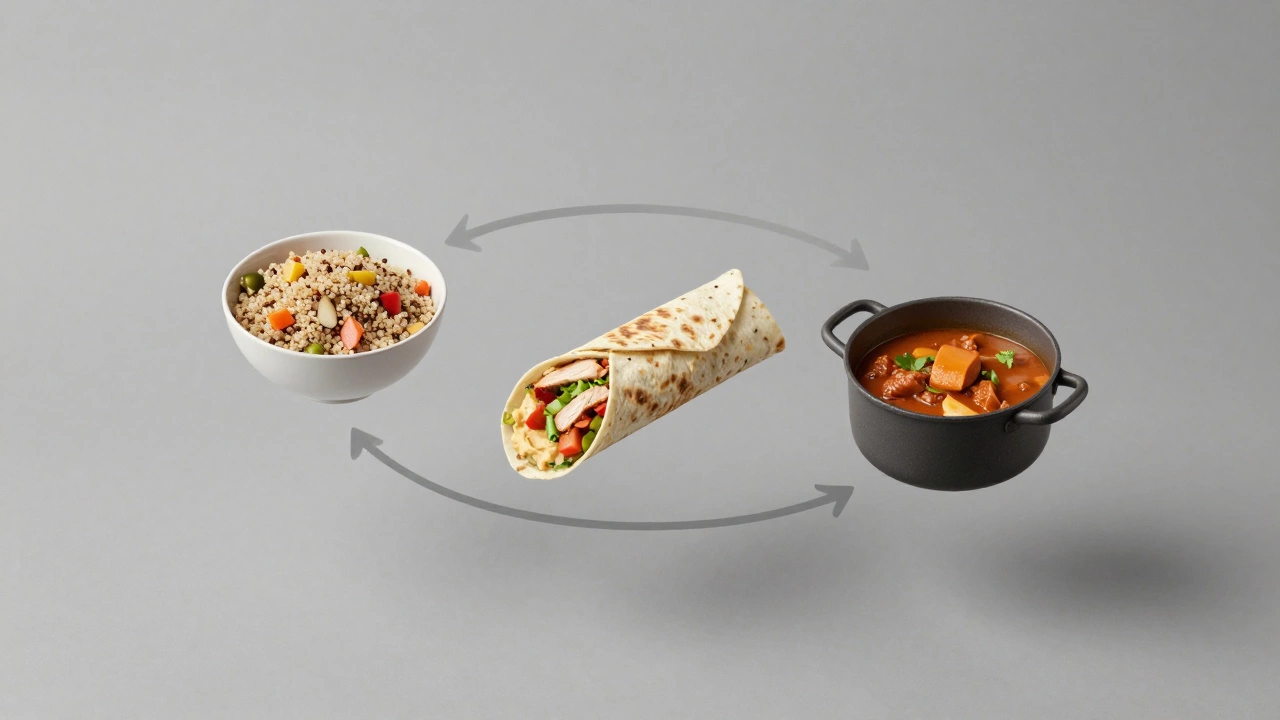
You don’t need 10 recipes to have a good meal prep schedule. Start with three. Pick one grain-based bowl, one wrap or sandwich option, and one soup or stew. That’s it. For example:- Bowl: Brown rice + black beans + corn + avocado + lime dressing
- Wrap: Whole wheat tortilla + hummus + spinach + shredded chicken + sliced cucumber
- Stew: Lentil and vegetable stew with a side of crusty bread
What to Skip
Some things sound like a good idea but aren’t.- Pre-chopping all veggies: Celery and lettuce turn slimy. Chop them fresh on the day you’ll eat them.
- Pre-cooking pasta: It turns to mush. Cook it fresh when you’re ready to eat.
- Trying to eat like a fitness influencer: If you hate tofu, don’t prep it. Find a protein you actually like.
Real-Life Example: A Week in Wellington
Here’s how it looks for someone working a 9-to-5, with two kids and a dog:- Sunday: Cook 3 cups quinoa, roast 4 trays of veggies (carrots, broccoli, sweet potato), hard-boil 6 eggs, make a big batch of peanut sauce.
- Monday: Quinoa bowl with veggies, egg, and sauce. Leftover for lunch.
- Tuesday: Same bowl, swap egg for canned chickpeas.
- Wednesday: Cook 500g chicken breast. Slice it up.
- Thursday: Chicken + quinoa + roasted veggies + sauce. Wrap leftovers in a tortilla.
- Friday: Takeout night. No guilt.
- Saturday: Leftover stew from last week (frozen). Add fresh greens.
What If You Mess Up?
You will. Maybe you forgot to cook the protein. Maybe the rice got too dry. Maybe you just didn’t feel like eating it. That’s okay. Keep a backup plan: frozen veggie burgers, canned beans, frozen spinach, instant oats. Keep a few staples in the pantry so you’re never stuck. Meal prep is a tool, not a rulebook.Why This Works
This system works because it’s built on three things:- Real time: You’re not pretending you have more hours than you do.
- Real food: You’re eating things you actually enjoy, not what’s trending.
- Real flexibility: You can swap, skip, or delay without breaking the system.
How long does meal prep take?
For most people, it takes 90 to 120 minutes total-split between Sunday and Wednesday. That’s less than two hours for five full meals. If you’re new, start with 60 minutes on Sunday and add more as you get comfortable.
Can I prep meals for the whole month?
No, and you shouldn’t try. Most cooked foods lose flavor and texture after 5 days. Freezing works for stews, soups, and baked dishes-but not for salads, roasted veggies, or grilled proteins. Stick to a weekly cycle for the best results.
What’s the best container for meal prep?
Glass containers with snap-on lids are best. They don’t stain, hold odors, or leach chemicals. Look for ones with compartments so you can keep sauces separate. Brands like Pyrex or IKEA’s 365+ work well and are affordable.
Do I need to buy special tools?
No. You just need a large pot, a baking sheet, a sharp knife, and a cutting board. A rice cooker helps if you make grains often, but it’s not required. A slow cooker is great for stews, but again-not necessary. Start with what you already have.
What if I’m not home on prep day?
Prep on Saturday instead. Or split it: do the grains and veggies on Saturday, cook protein on Monday morning before work. Meal prep is about working around your life-not the other way around.
How do I avoid getting bored of the same meals?
Change one thing each week. Swap quinoa for barley. Try a new sauce-miso, chimichurri, or yogurt-based dressing. Add a sprinkle of spices you haven’t used before. Small changes keep it fresh without adding more work.