Goodwill Sustainable: What It Really Means and How to Practice It
When we talk about goodwill sustainable, a practice of extending the life of goods through donation, reuse, and conscious disposal. Also known as circular consumption, it's not just about dropping off old clothes at a thrift store—it's a daily choice to reduce waste and support fair systems. Most people think sustainable living means buying new eco-friendly products. But the real shift happens when you stop buying so much in the first place.
sustainable fashion, clothing made and sold with minimal environmental harm and fair labor practices is often misunderstood. Labels like "organic cotton" or "recycled polyester" sound good, but if the brand doesn’t care about how workers are paid or what happens after you throw the shirt away, it’s not truly sustainable. Real ethical clothing, garments produced with respect for people and the planet throughout their lifecycle means durability, transparency, and repairability—not just a green logo. That’s where goodwill sustainable steps in: giving your worn-out jeans a second life keeps them out of landfills and supports communities that rely on secondhand markets.
It’s not magic. It’s simple: buy less, use longer, pass on what you don’t need. When you donate to a place like Goodwill, you’re not just clearing space—you’re helping someone else afford a warm coat, a job interview outfit, or a pair of shoes for their kid. And when you shop there, you’re choosing quality over quantity, and value over trends. This isn’t about being perfect. It’s about being consistent. You don’t need to stop buying new things entirely. But if you start asking, "Will this last?", "Can someone else use this?", and "What happens after I’m done?", you’re already practicing goodwill sustainable in a real way.
What you’ll find below are real, practical stories and guides from people who’ve made this shift. From how to spot true sustainability in fashion to how to build a wardrobe that lasts years—not seasons. You’ll see how small habits, like repairing a zipper or donating instead of trashing, add up. No fluff. No greenwashing. Just clear, honest ways to live lighter, think smarter, and keep more out of the trash.
Is Goodwill Actually Sustainable? A Deep Dive into Thrift Store Impact
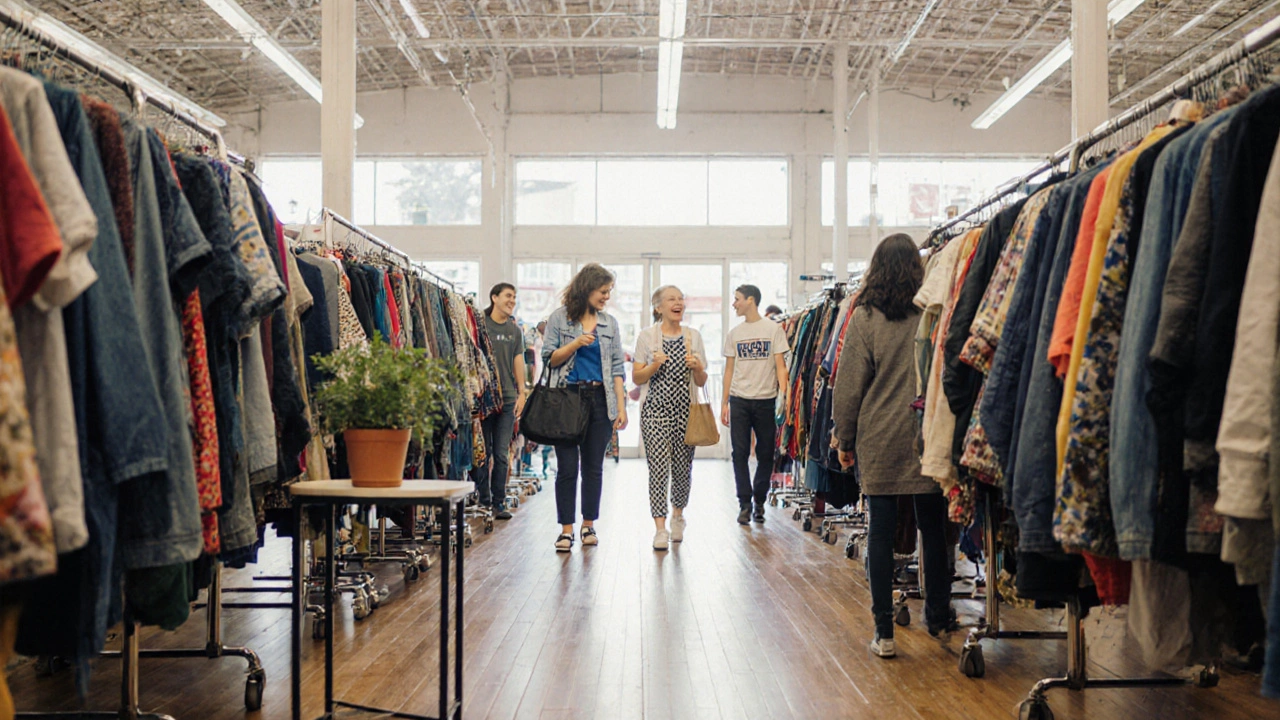
Explore Goodwill's real impact on sustainability, carbon savings, waste diversion, and social benefits. Find data, myths, and tips for greener thrift shopping.
Categories
RECENT POSTS

How to Clear a Blocked Mind: 7 Science-Backed Ways to Reset Your Brain
Struggling with a blocked mind? Discover 7 science-backed ways to clear brain fog, reset focus, and boost mental clarity instantly. From physiology hacks to nutrition tips.

How to Avoid Crime in the UK: Practical Safety Tips for Travelers
Learn practical ways to avoid crime in the UK as a traveler. From pickpocket prevention to safe transport tips, these real-world strategies help you stay secure without missing out on the experience.

Can You Use Your US Cell Phone in London? Guide to Connecting Seamlessly Abroad
Curious if your US phone works in London? Learn about roaming, SIM cards, phone compatibility, and data tips to avoid headaches and huge bills abroad.

What is the 80/20 Rule for Decluttering? A Practical Guide to Home Organization
Discover the 80/20 rule for decluttering, a powerful method to identify the 20% of items you use most. Learn practical steps to reduce clutter, save time, and create a functional home using the Pareto Principle.
The Healthiest Diet: Finding the Best Way to Eat for Your Body
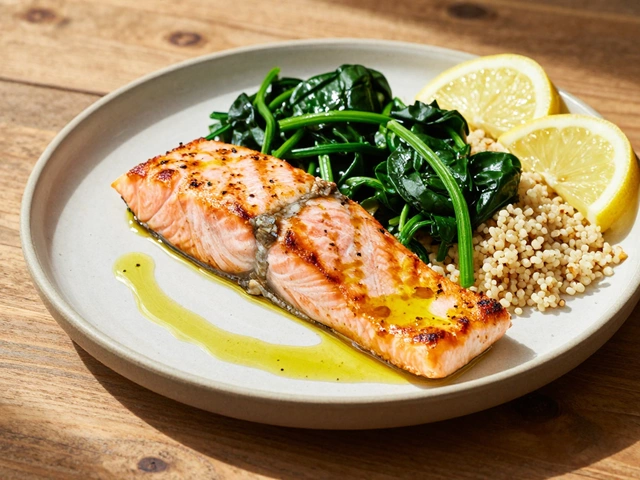
Stop searching for a single 'best' diet. Discover the science-backed eating patterns like Mediterranean and DASH that promote longevity and heart health for everyone.