Healthy Calorie Booster
Stop unintentional weight loss by strategically boosting your calorie intake. Select your base meal below, then choose "boosters" to see how quickly you can reach your target surplus.
Light Salad
Greens, tomato, cucumber
~200 kcalRice & Chicken
Steamed rice, chicken breast
~450 kcalPlain Oatmeal
Rolled oats cooked with water
~300 kcalStep 2: Add High-Calorie Boosters
- 1 Tbsp Olive Oil +120 kcal
- ½ Medium Avocado +160 kcal
- 2 Tbsp Peanut Butter +190 kcal
- 30g Roasted Almonds +170 kcal
- Glass Whole Milk +150 kcal
- 1 Large Boiled Egg +150 kcal
Total Meal Calories: 0 kcal
You notice your jeans fit looser around the waist, or perhaps you step on the scale and the number has dropped again without any effort on your part. It might sound counterintuitive, but sometimes we need to intentionally eat differently to protect our well-being. Unintentional weight loss can signal that your body isn't getting the fuel it needs to function correctly. Whether you are dealing with a fast metabolism, stress, or a temporary change in appetite, the solution starts in your kitchen.
Understanding Energy Balance
Before grabbing the nearest bag of chips, it helps to understand why you are shifting downwards on the scale. Your body operates on a simple equation of energy input versus energy output. When you consume fewer Calories than you burn, weight drops. To stop this trend, you do not necessarily need to binge on junk food. Instead, you need to optimize the density of what you put on your plate. Think of it as packing more value into every bite.
In March here in Wellington, the weather often turns cooler, which can naturally suppress appetite, yet activity levels might remain high. This mismatch requires strategic eating. You need to prioritize Caloric Intake that comes from whole, nourishing sources rather than empty processed sugars. Sugar gives you a spike and a crash, making you hungry again quickly. Real food sustains you and provides the building blocks for muscle and organ repair.
The Power of Healthy Fats
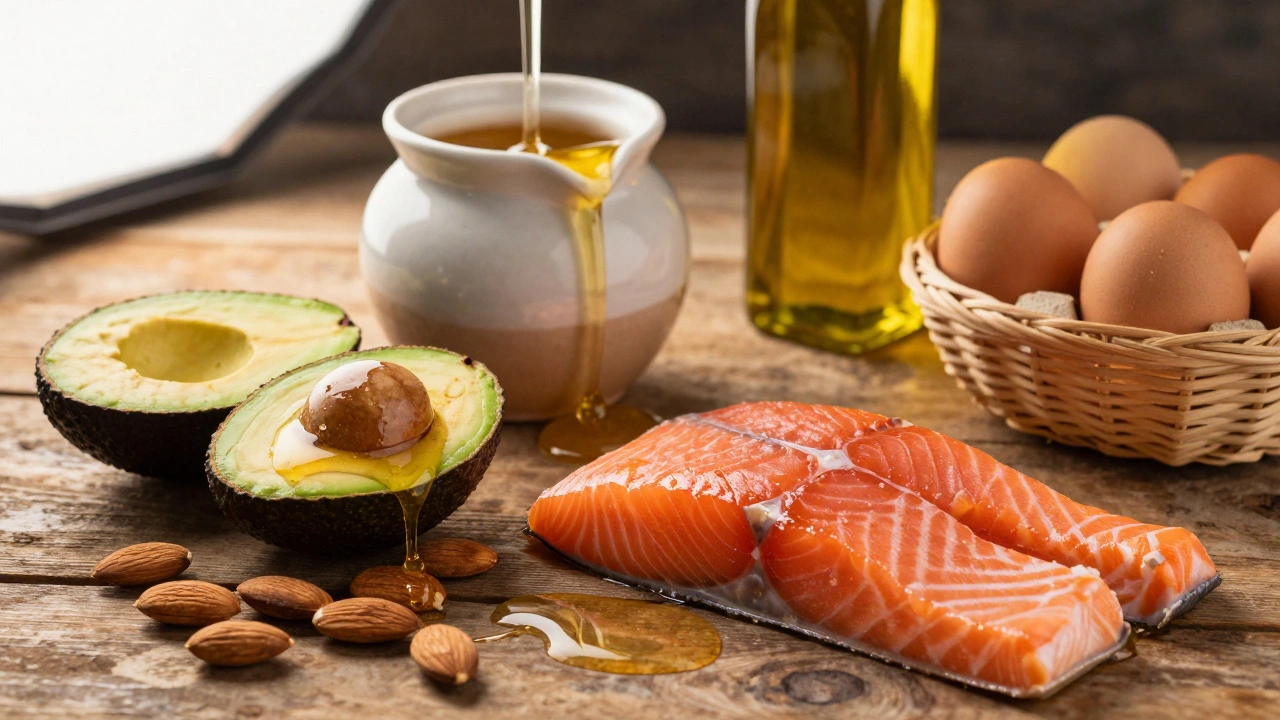
If you are looking to add mass without increasing portion sizes until you feel stuffed, Healthy Fats are your best friend. Fat contains nine calories per gram, compared to four calories for protein or carbohydrates. This makes it efficient for reaching your targets without feeling overly bloated. Avocados, nuts, seeds, and olive oil are staples that pack a punch.
| Food Item | Approximate Calories (per 100g) | Primary Nutrient |
|---|---|---|
| Cooked White Rice | 130 kcal | Carbohydrate |
| Salmon | 208 kcal | Protein & Fat |
| Avocado | 160 kcal | Healthy Fat |
| Dry Almonds | 579 kcal | Fat & Protein |
| Olive Oil | 884 kcal | Pure Fat |
You can easily boost a meal by adding a drizzle of olive oil over roasted vegetables or mixing a tablespoon of tahini into your salad dressing. These small additions accumulate throughout the day without drastically changing the volume of food you have to chew.
Protein for Structure and Satiety
While fats provide energy, Proteins help build and maintain the physical tissue in your body. Without enough protein, weight gained will likely be mostly fat, which doesn't improve your physical composition. Lean meats, eggs, Greek yogurt, and legumes form the backbone of this strategy.
Try incorporating a protein source into every single meal. If you typically eat a breakfast of toast and tea, switch it up. Add two poached eggs or a generous scoop of nut butter. For lunch, combine a large chicken breast with a side of quinoa. Even if you are vegetarian, combining rice and beans creates a complete amino acid profile that supports your body's structure.
Solid Meal Plans for Stabilization
Knowing theory is helpful, but you need concrete ideas for what to cook when you walk into the fridge. Here is a breakdown of what your days could look like to halt weight loss effectively.
Breakfast Ideas
- Oatmeal with Extras: Standard oats are good, but add raisins, walnuts, and a scoop of peanut butter before you cook them. Top with full-fat milk instead of water.
- Smoothie Bowl: Blend bananas, spinach, almond milk, and flaxseeds. Pour it into a bowl and top with granola and berries.
- Breakfast Quiche: Bake a frittata with cheese, spinach, and bacon slices so you can grab a slice later.
Lunch Strategies
- Sandwiches with Density: Load your sandwich with mayo or hummus. Swap standard bread for sourdough or a seeded variety for extra calories.
- Bowl Meals: Start with a bed of greens, but top heavily with chickpeas, roasted sweet potato, and a hard-boiled egg. Dress generously.
Dinner and Supper
Nighttime meals offer the best opportunity to add comfort and calories. Roasted root vegetables like pumpkin or potatoes absorb oil well during cooking. Stir-fries are excellent because they utilize a mix of sauces that carry sugar and fat. A serving of fatty fish like salmon or mackerel ensures you get Omega-3s alongside your calories.
The Snack Gap
Three meals might not be enough. Many people fail to stop weight loss because their digestion speeds through three meals and burns everything by late afternoon. You need bridges between meals. Keep a stash of high-calorie snacks accessible. Dried fruit packs more sugar than fresh fruit because the water is removed. Dates, apricots, and figs are natural energy bombs. A glass of whole milk with a banana makes for a quick evening recovery drink.
Timing and Consistency
Metabolism fluctuates, but consistency beats sporadic binging. If you skip a morning meal because you aren't hungry, you set yourself up to make up for it with unhealthy choices later. Set alarms on your phone to remind you to snack. Treat hunger cues with suspicion initially; if it has been three hours since you last ate, eat regardless of appetite.
Hydration plays a role too. Sometimes thirst masks itself as hunger, or conversely, drinking too much water before meals fills your stomach physically, leaving less room for solid food. Drink water between meals rather than immediately before eating.
When to Seek Professional Advice
There are times when adjusting food intake isn't enough. If you are eating significantly more than usual and still dropping weight, there may be an underlying issue. Conditions affecting Thyroid Function, diabetes, or digestive absorption problems can force weight loss despite high caloric intake.
Watch for warning signs beyond the scale numbers. Extreme fatigue, hair thinning, cold intolerance, or sudden changes in bowel movements warrant a visit to your General Practitioner. They can run blood tests to check vitamin deficiencies or hormonal imbalances that simple diet tweaks cannot fix.
Making Sustainable Changes
Don't try to add 2,000 extra calories overnight. That shocks your system and leads to discomfort. Increase your current daily intake by 200 to 300 calories first. Weigh yourself weekly. Once the scale stabilizes, hold steady there for a month. Your body needs time to adjust its hunger signals. Patience is a vital part of the process.
Can I stop losing weight by just eating more junk food?
Technically yes, but it damages long-term health. High sugar and trans-fat foods increase inflammation. You want to gain stable mass, not just water retention or visceral fat. Focus on nutrient-dense calories.
How many calories do I need to add to my diet?
A safe starting point is adding 300-500 calories per day above your maintenance level. This promotes slow, manageable changes without stressing your digestive system.
Is liquid nutrition effective for gaining weight?
Yes, smoothies and shakes bypass the feeling of fullness associated with chewing. Liquid calories allow you to consume higher amounts in a smaller volume.
Should I train harder while trying to stop weight loss?
Moderate resistance training helps convert extra calories into muscle rather than fat. Excessive cardio may burn the extra calories you are trying to keep.