
Processed Meat Health Risk Calculator
What Makes Meat Unhealthy?
When it comes to the unhealthiest meat, processed meats top the list. These include everyday items like bacon, hot dogs, and sausages. But why are they so bad? It’s all about what’s added during processing. Smoking, curing, or salting meat creates harmful compounds like nitrates chemicals used in curing meat that can form cancer-causing compounds. These chemicals can damage cells and increase cancer risk. Plus, processed meats pack a punch of sodium and saturated fats that harm your heart. A single slice of bacon has more sodium than a whole bag of chips. That’s not a snack-it’s a health warning.
The Top 3 Unhealthiest Meats
Not all processed meats are created equal. Here are the worst offenders:
- Bacon: This cured and smoked pork belly is a classic breakfast staple. But it’s also one of the most dangerous. A 3-ounce serving contains over 500mg of sodium and 5g of saturated fat. Studies show eating bacon regularly increases colon cancer risk by 18% for every 50g consumed daily.
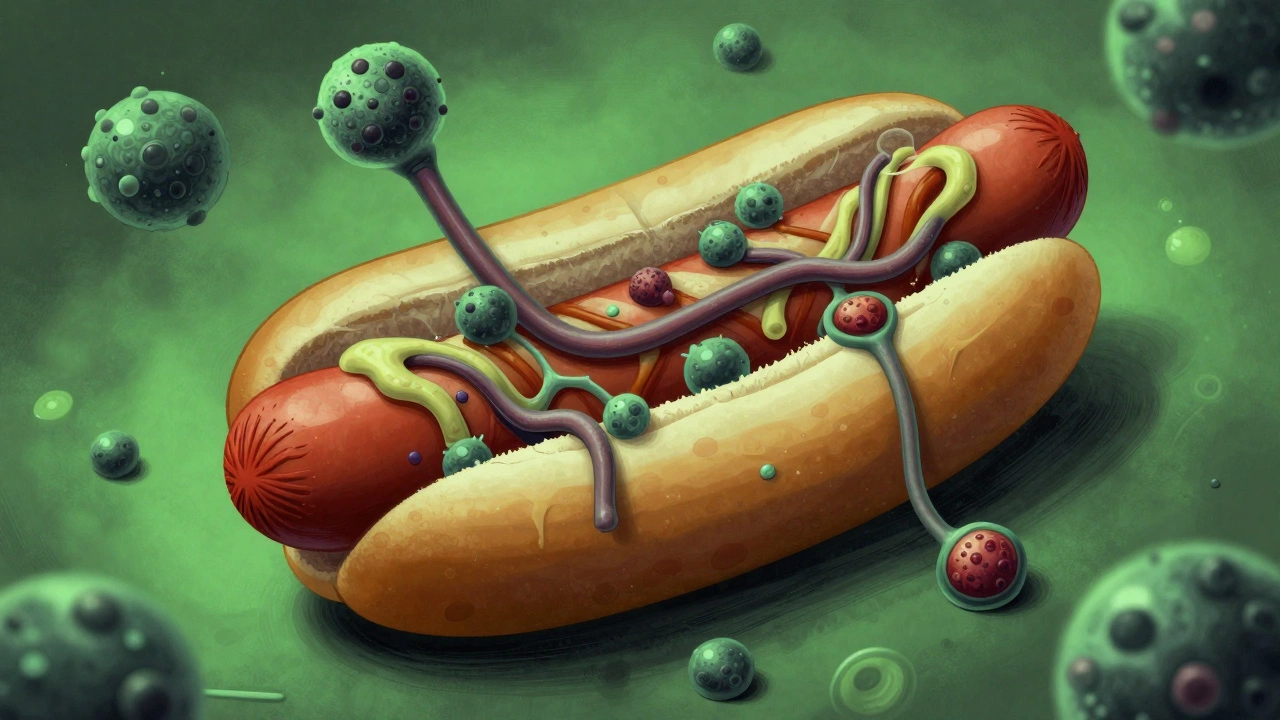
- Hot dogs: Often made from a mix of meats and preservatives, hot dogs are loaded with sodium and nitrates. Just one hot dog can have 400mg of sodium-nearly half your daily limit. The American Cancer Society links processed meats like hot dogs to colorectal cancer.
- Sausages: Whether breakfast links or Italian varieties, sausages are packed with fat and salt. Many contain up to 10g of saturated fat per serving. They also use nitrates to keep them pink and fresh, which your body converts into cancer-causing compounds.
Why Processed Meats Are the Worst
Processed meats aren’t just unhealthy-they’re uniquely dangerous. The World Health Organization (WHO) classifies them as a Group 1 carcinogen, meaning there’s strong evidence they cause cancer. This puts them in the same category as tobacco and asbestos. How? During processing, nitrates and nitrites form nitrosamines, which damage DNA. Plus, high heat cooking methods like grilling create more carcinogens. A 2022 study in the Journal of the American Heart Association found that daily processed meat eaters had a 15% higher risk of heart disease than those who rarely ate it.
Health Risks You Can’t Ignore
The dangers go beyond cancer. Processed meats also wreck your heart. High sodium levels raise blood pressure, while saturated fats clog arteries. Red meat, though not processed, has its own issues. It contains heme iron, which can oxidize and damage blood vessels. A 2023 study in the journal Nutrients showed that people who ate the most red meat had a 22% higher risk of heart disease. For colon cancer, the risk jumps 18% for every 50g of processed meat eaten daily. That’s just one hot dog or two slices of bacon.
How to Choose Healthier Meats
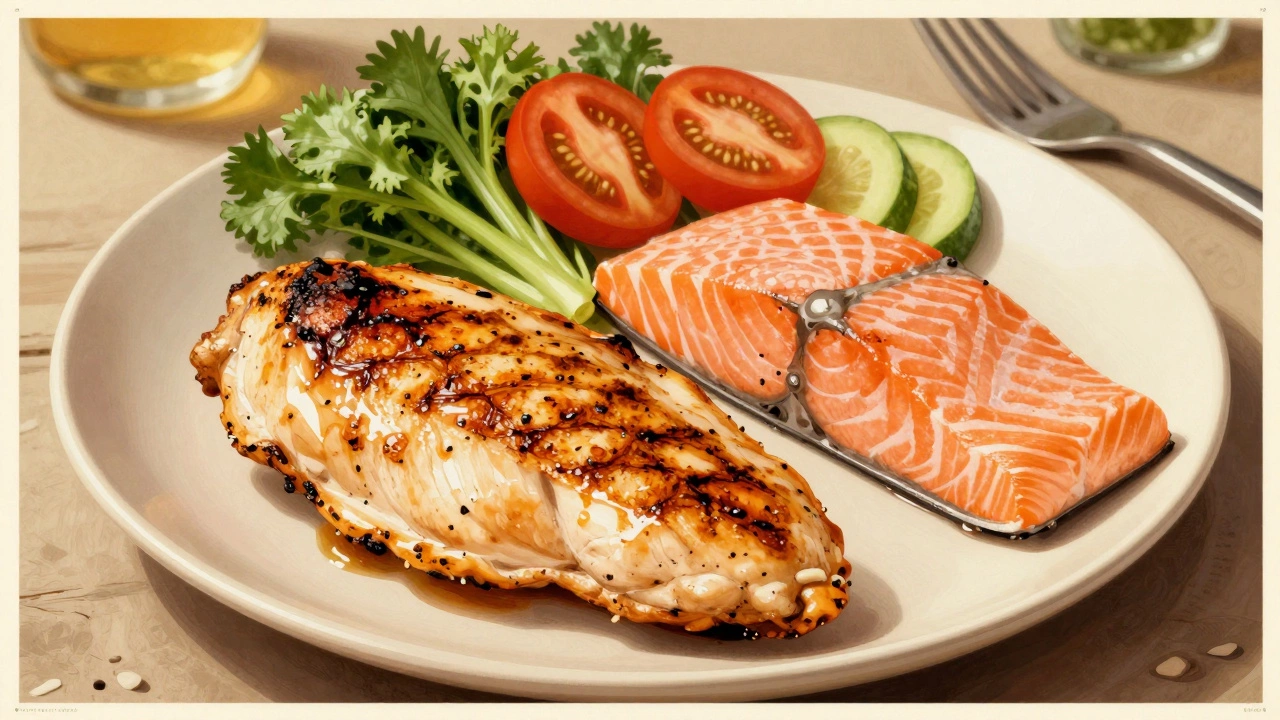
You don’t need to give up meat entirely. Just make smarter choices. Look for lean cuts like chicken breast or turkey. These have far less saturated fat and sodium. Fish like salmon and sardines are packed with heart-healthy omega-3s. If you eat red meat, choose grass-fed options with lower fat content. And always avoid processed versions-skip the bacon, hot dogs, and sausages. Instead, try plant-based proteins like beans or tofu. They’re naturally low in sodium and saturated fat.
Quick Tips for Healthier Meat Choices
- Limit processed meats to special occasions only-no daily habits.
- Check labels for sodium: choose products with under 300mg per serving.
- Opt for grilled or baked instead of fried or charred to reduce carcinogens.
- Replace half your meat portions with beans or lentils in recipes.
- When eating red meat, pick lean cuts like sirloin and trim visible fat.
Is all processed meat unhealthy?
Yes, all processed meats carry health risks. Whether it’s bacon, hot dogs, or deli meats, the processing methods-smoking, curing, or adding preservatives-create harmful compounds. Even "natural" or "uncured" versions use celery powder, which still forms nitrates. The WHO clearly states that no amount of processed meat is considered safe.
What’s the safest red meat option?
Lean cuts like sirloin or tenderloin are the best choices for red meat. They have less saturated fat than ribeye or brisket. Grass-fed beef also has slightly healthier fat profiles. However, the American Cancer Society recommends limiting red meat to no more than 18 ounces per week. Always pair it with vegetables and avoid charring it during cooking to reduce carcinogens.
Can you eat processed meats occasionally?
Yes, but moderation is key. Eating processed meats once in a while-like a bacon slice on a special breakfast-won’t cause immediate harm. However, regular consumption even in small amounts adds up over time. The key is to treat them as a rare treat, not a daily habit. Aim for no more than one serving per month to minimize health risks.
How does cooking method affect health risks?
Cooking meat at high temperatures-like grilling or frying-creates harmful compounds called heterocyclic amines (HCAs) and polycyclic aromatic hydrocarbons (PAHs). These are linked to cancer. To reduce risks, cook at lower temperatures, avoid charring, and use marinades with herbs like rosemary, which can lower HCAs by up to 90%. For processed meats, steaming or baking is safer than frying.
What are the best alternatives to red meat?
Plant-based proteins like beans, lentils, chickpeas, and tofu are excellent alternatives. They’re low in saturated fat, high in fiber, and linked to lower heart disease risk. Fatty fish like salmon and mackerel provide omega-3s for heart health. Even poultry like chicken or turkey breast (without skin) is a leaner option than red meat. Try swapping one meat-based meal per day for a plant-based option to see big health benefits.