Home Workouts: Simple Routines That Fit Your Life
When you think of home workouts, exercise you can do anywhere without special equipment. Also known as bodyweight training, it's not just a backup plan—it’s a full-time strategy for staying strong, healthy, and in control of your time. You don’t need a gym membership, a treadmill, or even a yoga mat. Just your body, a few minutes, and the willingness to move. That’s it.
Home workouts work because they’re built for real life. You do them before coffee, during lunch breaks, or after the kids go to bed. They don’t demand perfect conditions—just consistency. And that’s why they stick. People who stick with home workouts aren’t the ones with the most time. They’re the ones who made movement non-negotiable. The science is clear: even 15 to 20 minutes a day, done regularly, improves strength, lowers stress, and boosts energy. You don’t need to go hard every time. You just need to show up.
What makes home workouts different from gym routines isn’t the intensity—it’s the accessibility. You’re not waiting for a machine to free up. You’re not driving across town after a long day. You’re rolling out of bed and doing a few squats, push-ups, or planks. It’s not about perfection. It’s about showing up, even when you’re tired. And that’s where real change happens. This collection pulls together the most practical, no-fluff guides on how to make home workouts actually work for you. Whether you’re starting from zero, trying to stay active while working from home, or just tired of complicated routines, you’ll find simple plans that fit your schedule, your space, and your goals.
Some of the posts here break down how to turn 30 seconds of effort into a full workout. Others show you how to build a routine that doesn’t feel like a chore. You’ll learn how to use your own weight to get stronger, how to avoid injury when you’re doing it alone, and how to stay motivated when there’s no trainer watching. You’ll also see how these workouts connect to bigger habits—like mindfulness, sleep, and nutrition—that make everything easier. There’s no magic formula. Just real people doing real things in real homes.
Best Indoor Exercise: Top Workouts for Health and Fitness at Home
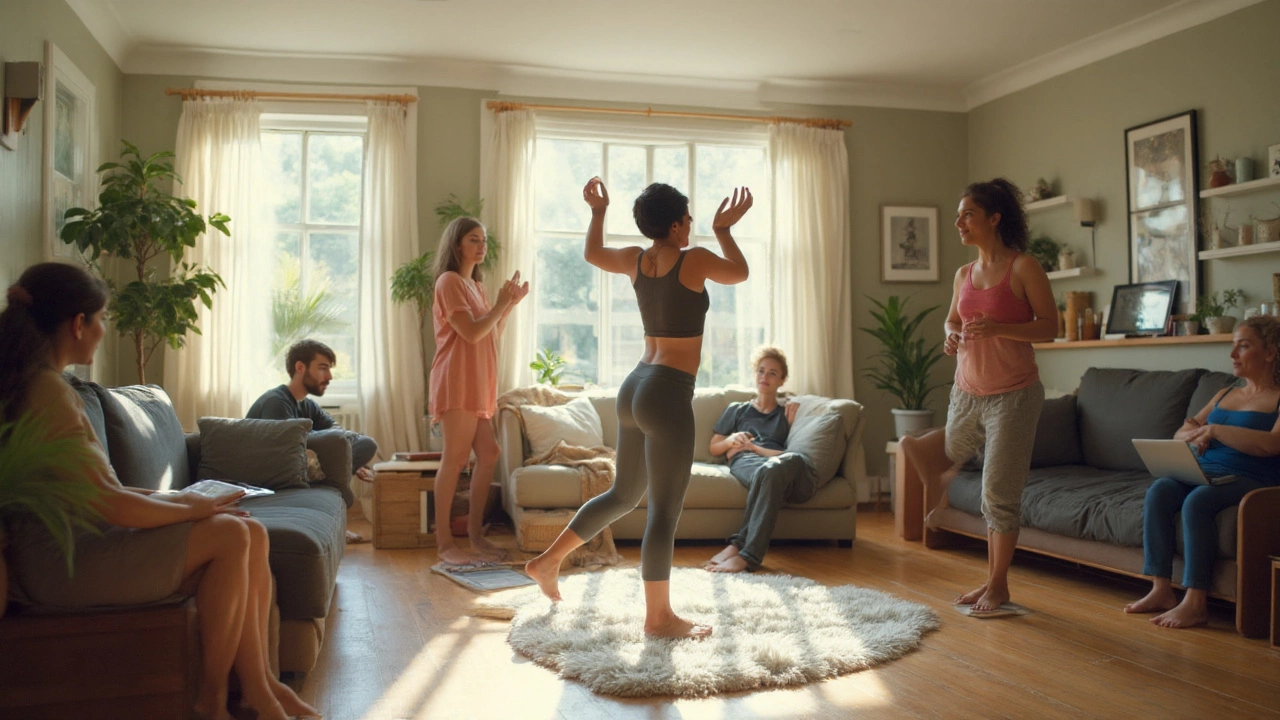
Get practical tips and a clear guide on the best indoor exercise. Learn which workouts deliver results, actual science behind them, and free ways to get fitter—right at home.
Categories
RECENT POSTS

Best 7 Day Workout Routine for Beginners and Fitness Enthusiasts
Looking for a practical weekly fitness guide? Dive into a detailed, actionable 7 day workout routine with expert tips, flexible plans, and hacks for real results.
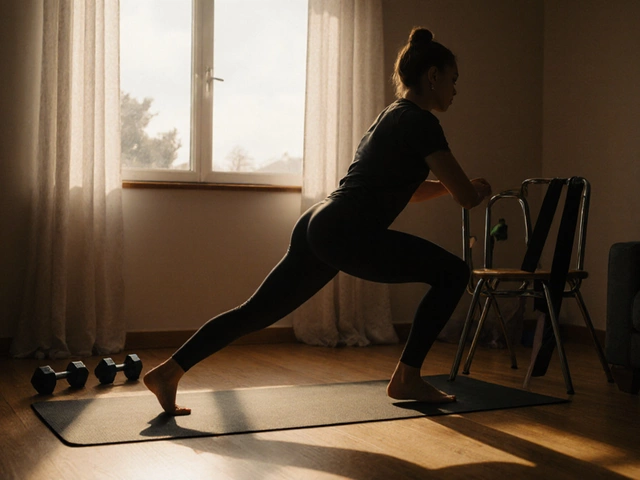
How Long Does It Realistically Take to Get in Shape at Home
Realistic timeline for getting in shape at home with basic equipment - no gym needed. See how long it takes to build strength, lose fat, and feel confident with consistent workouts.
What Is the Disadvantage of Self-Help Books?
Self-help books promise transformation but often oversimplify life's challenges, create guilt, and replace real support with solo fixes. Here's what they don't tell you.

Essential Dinner Components for a Healthy Family Meal
Break down what every dinner needs for nutrition, joy, and ease. Make dinnertime the best time with practical tips and real-life ideas, straight from a busy Kiwi mum.

What Order Should Skincare Be In? The Simple Routine That Actually Works
Learn the correct order for your morning and night skincare routine to get real results. Skip the guesswork and build a simple, effective routine that works for your skin type.