House Decluttering: Simple Steps to a Calmer, Cleaner Home
When you think about house decluttering, the process of removing excess items to create functional, peaceful living spaces. Also known as clutter reduction, it's not about buying new storage bins or following rigid rules—it's about keeping what serves you and letting go of what doesn't. This isn’t a weekend project you tick off a list. It’s a shift in how you relate to your stuff—and your space.
True house decluttering connects to home organization, the system of arranging belongings so they’re easy to find and use. But you can’t organize what you haven’t cleared out. That’s why most people start with the wrong room. The kitchen? The closet? Those feel urgent, but they’re not always the best place to begin. The real key is starting where clutter hits hardest emotionally—maybe it’s the pile of unread mail, the drawer full of broken chargers, or the corner where coats pile up like a forgotten mountain. minimalist lifestyle, a way of living focused on intentionality over accumulation doesn’t mean owning only ten things. It means every item you keep has a purpose, a place, or real joy attached to it.
People often confuse decluttering with cleaning. Cleaning is wiping surfaces. Decluttering is asking: Do I need this? Do I use this? Does this make me feel better or worse? You don’t need to be perfect. You don’t need to donate everything. You just need to make one decision: keep, toss, or move. One drawer. One shelf. One corner. That’s how momentum builds. And once you feel the relief of an empty drawer or a clear countertop, you start wanting more of it.
House decluttering also ties into how you think about money, time, and stress. That unused gym equipment? It’s not just taking up space—it’s a silent reminder of goals you’ve dropped. That stack of old magazines? They’re not "just in case"—they’re stealing mental bandwidth. When you reduce clutter, you reduce noise. Your brain stops working overtime trying to manage things you don’t need.
Below, you’ll find real advice from people who’ve been there. How to pick the first room to declutter without getting stuck. How to handle sentimental items without guilt. How to keep things from piling up again. No fluff. No overpriced organizers. Just what works when you’re tired, busy, or just done pretending you’ll get around to it someday.
Effective Steps to Clean Out a House Full of Junk
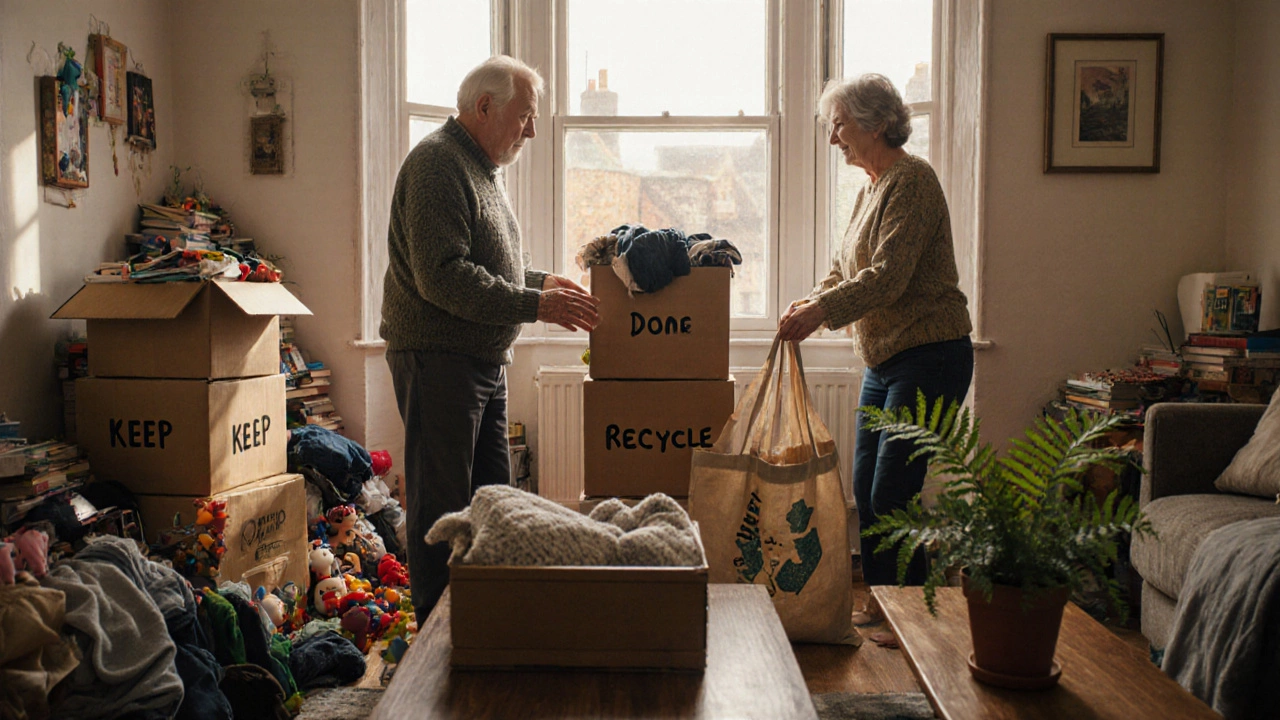
A step‑by‑step guide to declutter a junk‑filled home, covering sorting, donation, recycling, junk‑removal services, and long‑term upkeep.
Categories
RECENT POSTS
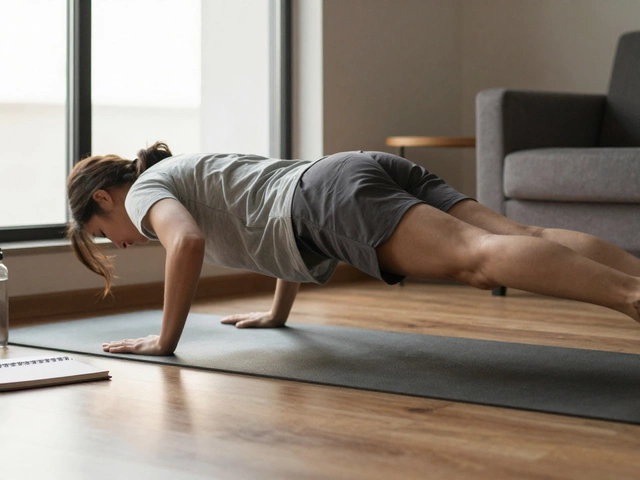
What Is the 30 by 30 Workout? A Simple Routine for Strength and Endurance
The 30 by 30 workout is a 30-day bodyweight routine with 30 reps of five exercises daily. It builds strength, endurance, and discipline without equipment or gym time.

How to Achieve Poreless Glass Skin - Step‑by‑Step Routine
Learn the step‑by‑step routine, key ingredients, and lifestyle tips to achieve a poreless, glass‑skin finish. Includes product comparisons and a FAQ for lasting results.

What Is the Most Harmful Product to the Environment?
Single-use plastic is the most harmful product to the environment-not because it's the only polluter, but because it's everywhere, lasts forever, and we've been misled about how to fix it. Learn why it's worse than coal, oil, or fast fashion.

How to Quiet Your Mind: Practical Mindfulness Techniques for Mental Clarity
Learn practical mindfulness techniques to quiet your mind and reduce stress. Discover effective methods like breath anchoring and body scanning to manage mental chatter.

What Falls Under Mental Wellbeing? A Simple Breakdown of Key Areas
Mental wellbeing includes emotional health, stress management, connection, self-care, purpose, movement, boundaries, and self-compassion. It's not about being perfect-it's about showing up for yourself daily.