Junk Removal: How to Clear Clutter and Live Lighter
When you think of junk removal, the process of identifying, collecting, and responsibly disposing of unwanted items from your home or workspace. Also known as clutter clearance, it's not just about hauling away old boxes and broken appliances—it's about creating room for what actually matters. Most people wait until their garage is full or their closet won’t close before they act. But real junk removal starts with a simple question: Do I need this, or am I just holding onto it?
It’s not just about the physical stuff. Junk removal connects to how you live. If you’ve ever felt overwhelmed by stuff you never use, you’re not alone. Studies show clutter increases stress and makes decision fatigue worse. That’s why so many posts here focus on decluttering, the intentional process of removing unnecessary items to simplify your environment—like picking the first room to clean, building a minimalist wardrobe, or choosing what to keep from your kitchen. And when you’re done removing, what happens to the stuff? That’s where sustainable disposal, the practice of recycling, donating, or repurposing items instead of sending them to landfill comes in. Goodwill isn’t just a thrift store—it’s part of a circular economy. Coffee grounds in the garden, old clothes turned into rags, broken furniture repaired instead of tossed—these aren’t quirks. They’re smart moves that reduce waste and save money.
Real junk removal doesn’t require a big garage sale or a rented truck. It starts with one drawer. One shelf. One bag you’ve been avoiding. The posts below show you how to do it without guilt, without overwhelm, and without buying more storage solutions you don’t need. You’ll find tips on what to toss, what to give away, and how to stop junk from coming back. Some even tie into how you shop, what you buy, and why you hold onto things you never use. This isn’t about perfection. It’s about progress. And the next step? It’s right here.
Effective Steps to Clean Out a House Full of Junk
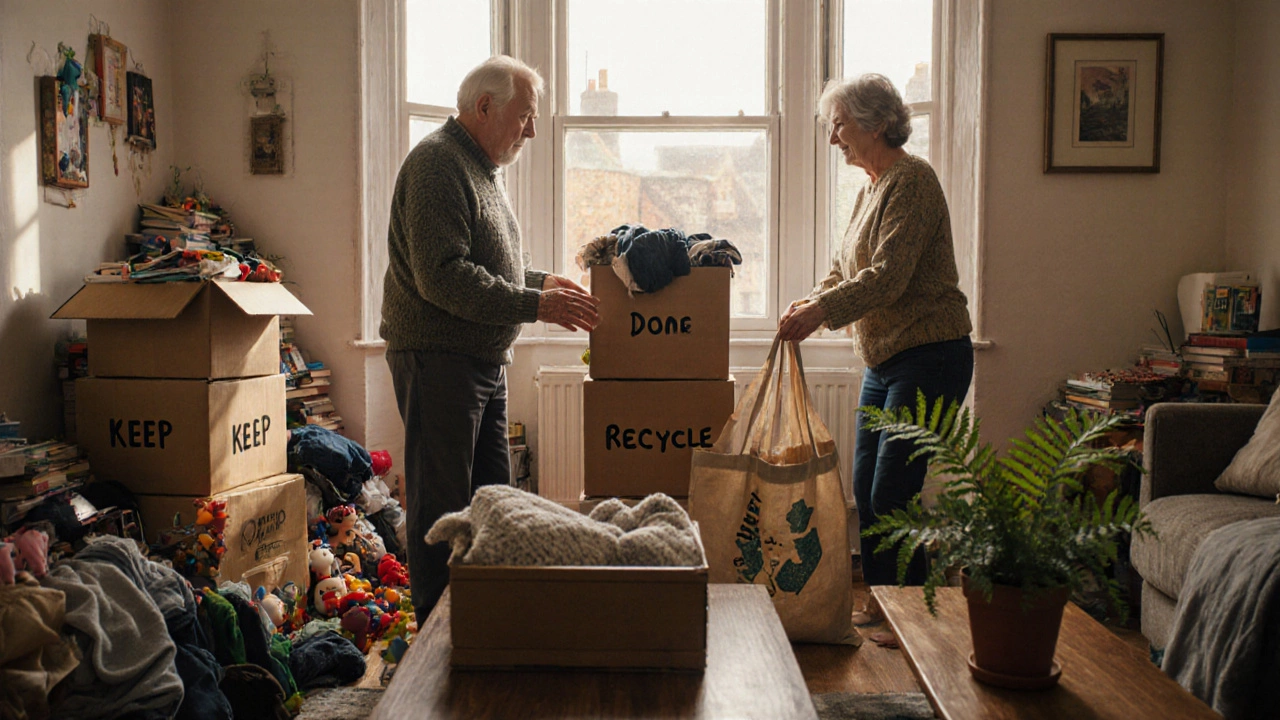
A step‑by‑step guide to declutter a junk‑filled home, covering sorting, donation, recycling, junk‑removal services, and long‑term upkeep.
Categories
RECENT POSTS

How to Find Clothes That Suit You: Style Guide for 2026
Discover how to identify which clothes truly suit your unique features. We explore body shapes, color undertones, and fabric choices to help you build a confident wardrobe.

Is Traditional Home Decor Making a Comeback? Vintage Styles & Timeless Charm for Modern Homes
Is traditional home decor back in style? Explore how vintage charm, classic patterns, and timeless furniture are transforming modern interiors and winning hearts again.

Best Outfit Suggestion Apps: How AI Chooses What You Wear
Discover how AI-powered outfit suggestion apps turn your wardrobe into daily style ideas, compare the top 2025 options, and learn tips to choose and use the right one.

Why Do You Cross Your Legs When Meditating?
Crossing your legs during meditation isn't about tradition-it's about stability and comfort. Learn why this posture works for most people and what alternatives exist if it doesn't suit your body.

Realistic Work-Life Balance: Proven Strategies for Healthy Living and Productivity
Tired of endless work emails at midnight? Discover how to set real boundaries and build a work-life balance that actually sticks. Find tips, real-life strategies, and fresh data inside.