Your Personal Style Diagnostic
Step 1: Find Your Silhouette
Answer honestly to determine how your bone structure is distributed.
Step 2: Discover Your Palette
Check your wrist in natural daylight to answer these.
Recommended Palette
✨ Pro Styling Tip ✨
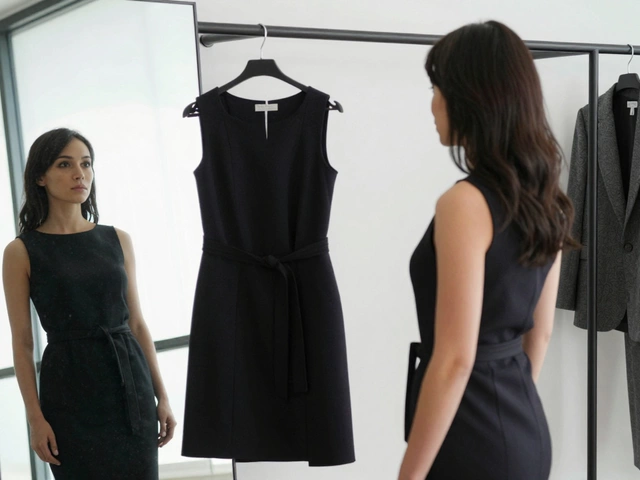
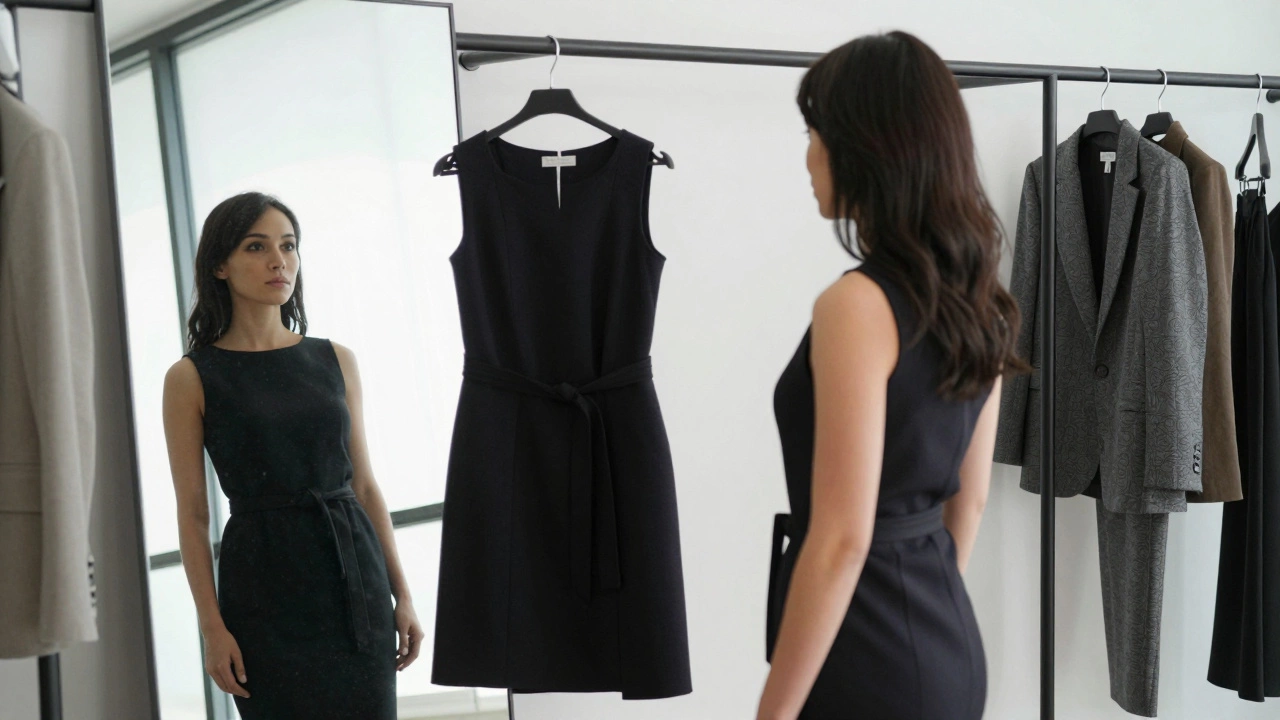
Few experiences feel as frustrating as standing in front of a mirror feeling invisible in clothes that just don't work. You bought the trendiest jacket or the perfect dress, yet something feels off. It isn't always about the price tag or the brand name; often, it comes down to understanding your own unique physical attributes. Finding what suits you isn't magic-it is a process of observation and testing. By analyzing your body type, skin tone, and lifestyle needs, you can stop guessing and start dressing with intention.
Understanding Your Body Shape
The foundation of great style starts with recognizing your silhouette. Body Shape is the geometric outline of your physique determined by bone structure and muscle distribution. Most people fall into five primary categories, each requiring different structural support in clothing. An hourglass figure has balanced shoulders and hips with a defined waist, meaning cinched belts and fitted cuts emphasize natural curves beautifully. Pear-shaped individuals carry more weight in the hips and thighs, so A-line skirts and structured jackets draw attention upward toward the shoulders.
If you have an apple shape, mass concentrates around the midsection while limbs remain slimmer. Empire waistlines that sit just under the bust flow away from the stomach comfortably. For rectangular or athletic builds, the goal is to create curves where there aren't many naturally. Peplum tops or wide-leg trousers add volume to define a waistline. Rectangular bodies also look sharp in straight-cut blazers with strong shoulder pads. Inversion occurs when you try to fit a narrow boxy t-shirt on a curvy frame, causing fabric tension points that highlight areas you want to soften. Always sketch your proportions before buying.
Navigating Skin Tone and Color
Once you understand your shape, color becomes the next variable. Wearing the wrong hue can drain energy from your face, making you look tired regardless of how much sleep you got last night. Skin Undertone is the subtle color beneath your skin surface that dictates warm or cool harmony. To find yours, look at the veins in your wrist under natural daylight. Blue or purple veins usually suggest cool undertones, while greenish hues point to warmth. Gold jewelry typically complements warm skin, whereas silver suits cool complexions best. Some people sit neutrally between both extremes.
This leads directly to Color Season, which is a classification system assigning specific palettes based on contrast levels and temperature. Winter types shine in high-contrast jewel tones like emerald or royal blue. Summer types look ethereal in muted pastels and soft blues. Spring personalities glow in bright corals, yellows, and clear greens. Autumn styles thrive in earthy browns, oranges, and mustard shades. If you stand near a stark white shirt and notice your complexion looks sallow, you likely need softer, creamier colors nearby to bounce light back onto your face properly.
| Body Shape | Key Features | Best Clothing Styles |
|---|---|---|
| Hourglass | Balanced shoulders/hips, defined waist | Belted dresses, tailored pants |
| Pear | Wider hips than shoulders | A-line skirts, dark bottoms, detailed tops |
| Apple | Wider midsection, slimmer legs | Empire waists, V-necks, flowy tops |
| Rectangle | Shoulders, waist, and hips aligned | Structured layers, ruffles, peplums |
| Inverted Triangle | Broader shoulders than hips | Wide-leg pants, boat necks, minimal details on top |
The Importance of Fabric Texture
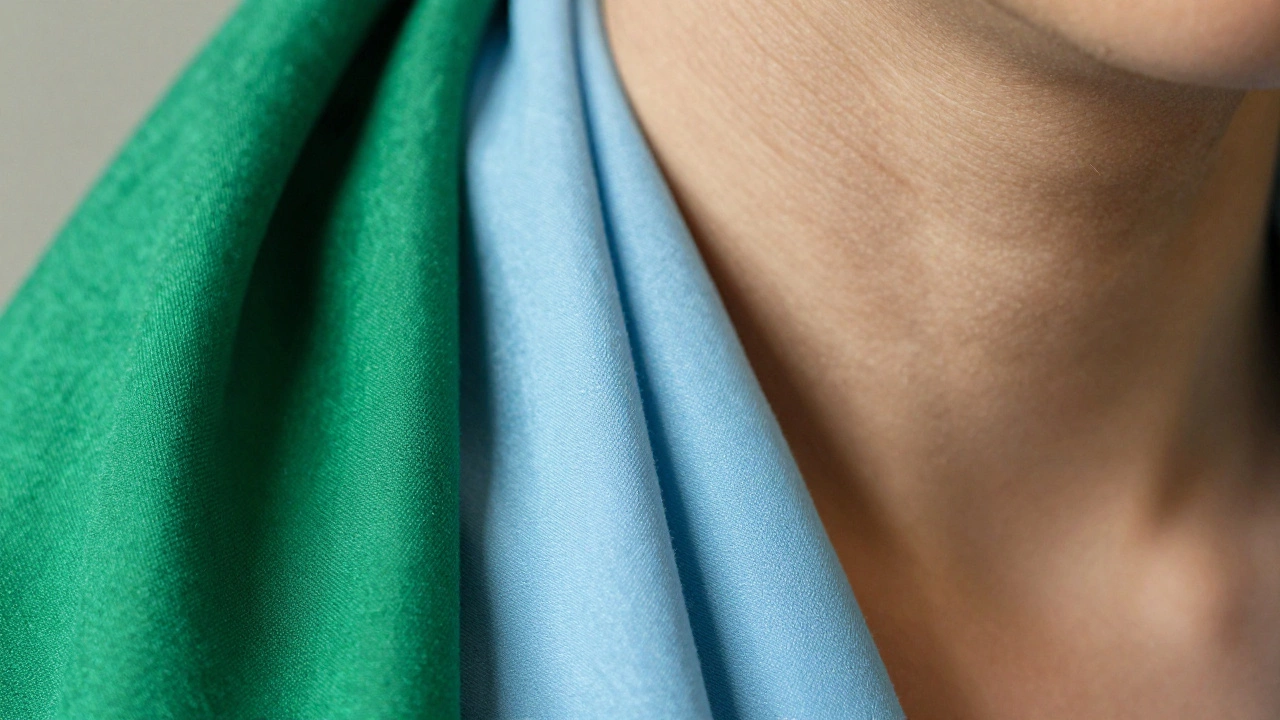
Material selection impacts comfort and visual impact equally. Fabric Texture is the surface quality of cloth affecting drape, opacity, and tactile feel. Heavy wool crepe holds its shape well for structured winter coats, while lightweight linen breathes through humid summer days. If you choose a shiny silk for a casual setting, it draws too much eye contact, signaling formality where none exists. Matte textures like cotton jersey blend into background environments nicely.
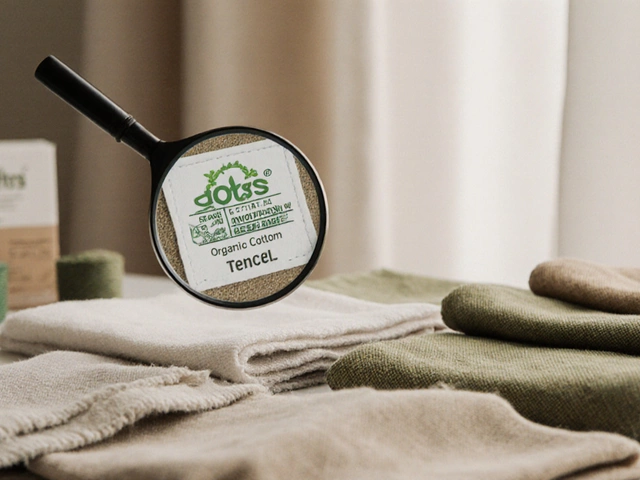
Texture also interacts with your skin type. People with sensitive skin should prioritize natural fibers like organic cotton or bamboo blends over synthetic polyester traps that cause irritation. Heavier fabrics hide imperfections, whereas sheer materials reveal everything underneath including underwear lines. Consider the season when Wellington winds pick up in April; a chunky knit sweater provides warmth that thin synthetics cannot match. Always run your hand over the material in-store. If it feels rough, it will likely feel uncomfortable after hours of wear.
Testing Fit Beyond Sizing Tags
Sizes vary wildly between manufacturers due to lack of industry standardization. A medium in one boutique fits completely differently in another store block. Ignore the number on the label entirely. Instead, assess the actual measurements against your body metrics. Shoulder seams should land exactly at the edge of your shoulder bone. If they slide down your arm, the garment is too big. Pulls and vertical stripes in the fabric indicate the piece is too tight and restricts movement.
Cuffs should rest just below your rib cage rather than cutting off circulation or riding up constantly. Sleeves must allow a full range of motion without pulling the entire shirt backward. Hemlines matter too. Skirts sitting too low drag visually, while shorts ending right at the knee can shorten leg appearance. Try sitting down in the fitting room to see if the pants gap at the waist or bind across the stomach. Proper fit allows air circulation, freedom, and confidence without constant adjustment throughout the day.
Building a Versatile Wardrobe Capsule
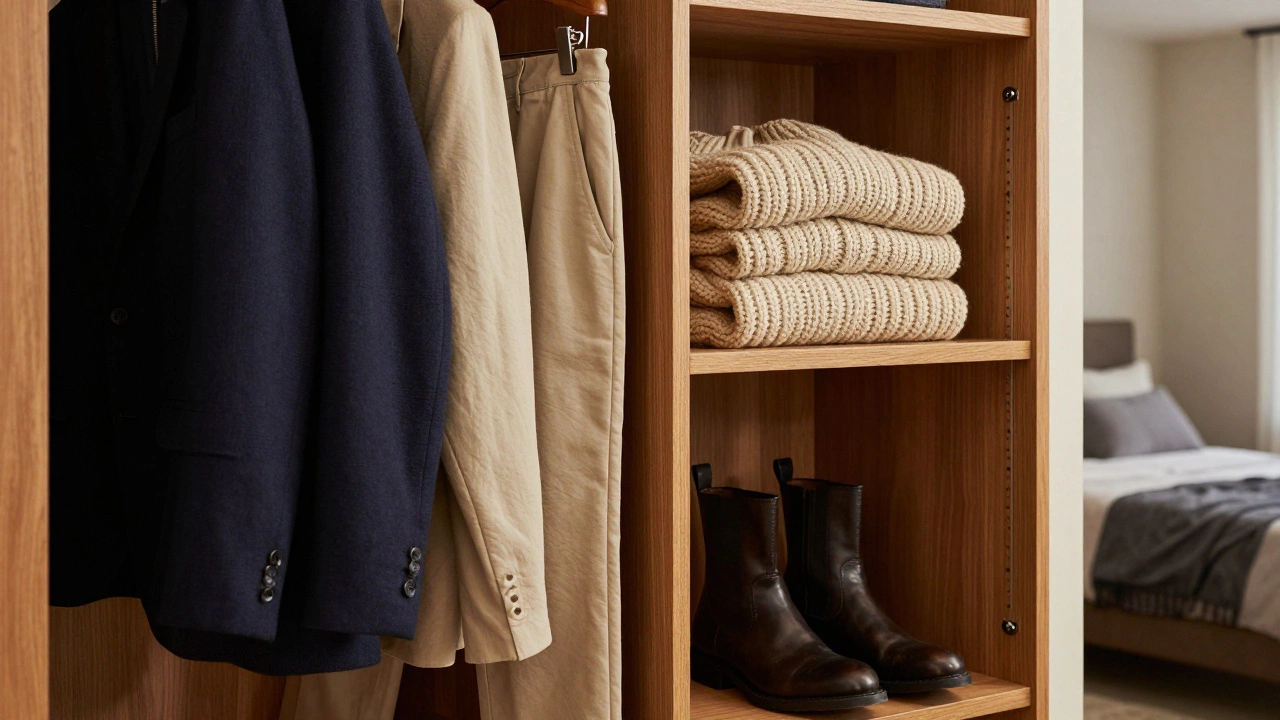
Once you identify your successful combinations, consolidate them into a cohesive collection. Wardrobe Capsule is a curated selection of interchangeable items maximizing outfit permutations. Start with neutral basics that anchor brighter statement pieces. Navy blazers mix easily with denim jeans and beige trousers alike. Rotate seasonal colors to keep interest fresh without cluttering drawers. Limit hangers to thirty-five to forty items maximum for easy navigation. Each piece should answer why you own it.
Quality outweighs quantity here. Invest in staples like leather boots, good trousers, and classic coats first. Fast fashion trends fade quickly, leaving holes in your rotation later. Check stitching consistency and button placement before checkout. A well-made garment stretches with you over years, unlike cheap knock-offs that pill after washing. Prioritize versatility so one top works for meetings, lunches, and evening events depending on accessories swapped out.
Practical Steps for Daily Styling
Applying this knowledge takes repetition but simplifies mornings. Lay outfits ahead the night before considering weather forecasts. Check the UV index for sun safety with hats included. Adjust layers based on indoor heating temperatures versus outdoor chill. Mirror checks help catch awkward drapes before leaving home. Confidence comes from knowing you look appropriate and comfortable simultaneously. This reduces decision fatigue and keeps stress low.
Frequently Asked Questions
How do I determine my body shape accurately?
Measure your shoulders, bust, waist, and hips. Compare the relative proportions. The largest measurement usually determines your category. If your shoulders and hips are equal with a small waist, you are Hourglass. If your hips are wider, you are Pear. Visual inspection in front of a full-length mirror helps confirm.
What if I don't fit perfectly into one shape category?
Most bodies are hybrid types. Combine strategies from adjacent categories. For example, if you are between Rectangle and Pear, try A-line cuts but focus on defining your waist slightly. Experiment with different silhouettes until you find what balances your specific proportions.
Is it possible to change how colors look on me?
Yes, makeup affects perception significantly. Choosing foundation that matches your undertone changes how clothes interact with your face. Hair color adjustments also shift the palette balance. Testing colors against your bare face in daylight remains the most honest verification method.
Can tall people wear cropped styles effectively?
Absolutely. Cropped lengths expose leg length. Pair cropped pants with heeled shoes or flats to maintain proportion. Avoid tops that cut your torso too short. Longline blazers over cropped tees create vertical continuity suitable for taller frames.
Where can I get professional styling help?
Many department stores offer complimentary consultations. Independent image consultants exist privately for deep dives. Online tools provide virtual color tests. Ultimately, trusting your instinct in a fitting room is the most reliable long-term strategy.